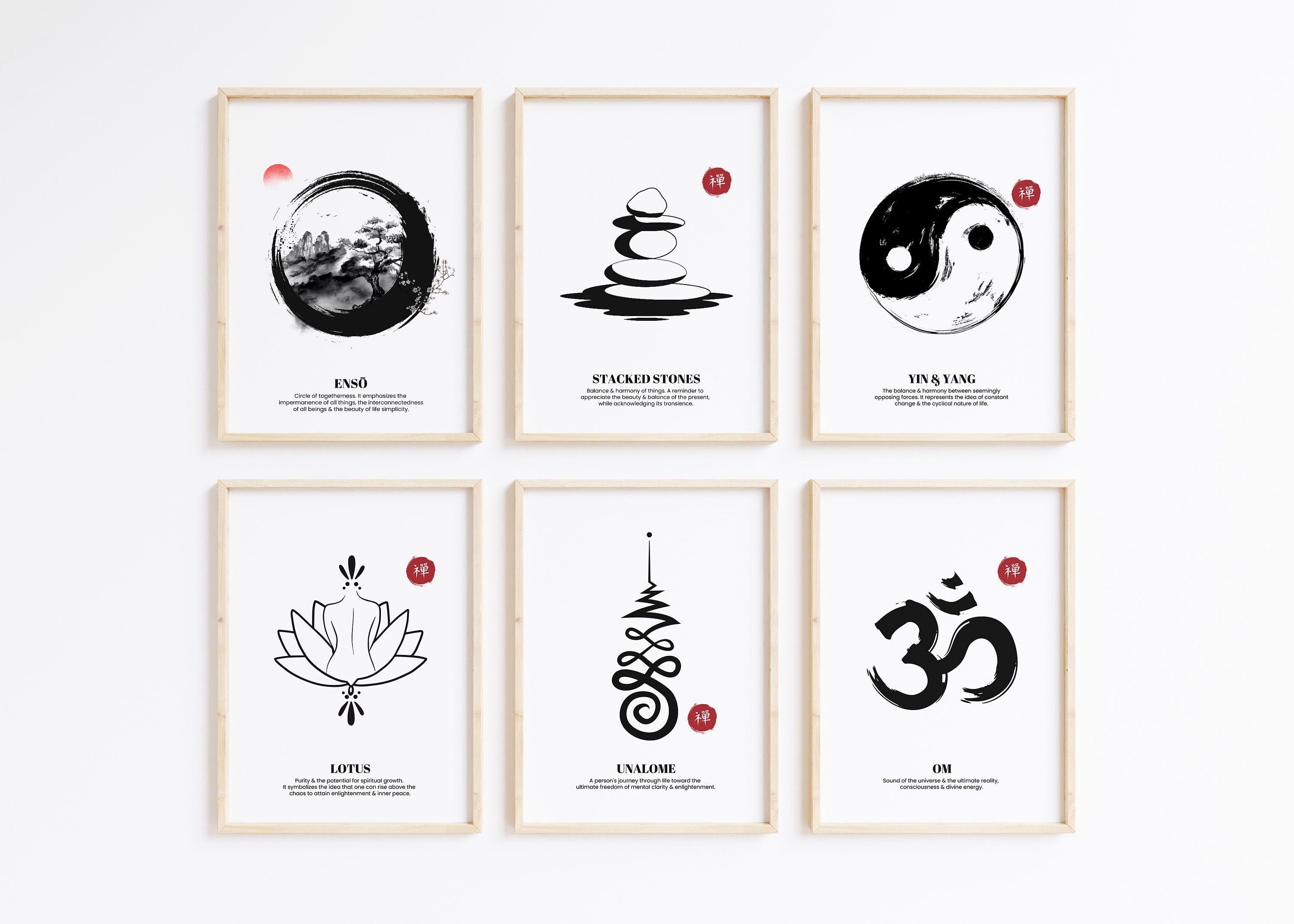
Stop Failing at Mindfulness with Sacred Symbols
If you have ever tried to sit in silence for ten minutes, only to find yourself mentally drafting grocery lists or replaying awkward conversations from 2018, you are not alone. Modern mindfulness advice often boils down to a frustrating command: just clear your mind. For most of us, this approach leads straight to burnout and the nagging belief that we are simply bad at meditating. If you want to change your trajectory, you need to stop failing at mindfulness with sacred symbols as your anchor.

Abstract breathing exercises work wonderfully for experienced practitioners, but beginners often need something tangible. Sacred symbols—whether they are geometric shapes, ancient letters, or cultural icons—bridge the gap between the physical and the metaphysical. They give your racing mind a job to do, transforming meditation from an elusive chore into a concrete, visual experience.
Why Traditional Mindfulness Fails Beginners
The human brain is an evolutionary survival machine designed to scan for problems, process threats, and generate thoughts. Expecting it to suddenly halt this machinery because you closed your eyes in a quiet room goes against biology. When you force yourself to focus solely on the breath without an external anchor, the mind rebels.
The Trap of the Blank Slate
Many beginners view meditation as an attempt to achieve a total absence of thought. When thoughts inevitably arise, frustration follows. This creates a cycle of self-judgment: I'm distracted, I'm doing it wrong, I failed. Sacred symbols break this cycle. Instead of fighting your brain's natural tendency to visualize, you redirect that visualization toward a singular, meaningful focal point.
Cognitive Anchoring Explained
Cognitive anchoring is the practice of tying your wandering attention to a specific stimulus. While breath is a bodily anchor, visual anchors engage the occipital lobe and higher cognitive centers. When you gaze at a sacred symbol, you occupy your visual processing centers, leaving far less room for anxiety-inducing daydreams.
Choosing Your Sacred Symbol
Not all symbols carry the same resonance for everyone. The key is to select a geometric form or icon that sparks a genuine sense of curiosity, peace, or reverence within you. Here are three powerful options to consider for your practice:
- The Enso (Zen Circle): Painted with a single brushstroke in one breath, the Japanese enso represents enlightenment, strength, elegance, and the beauty of imperfection. It reminds you that your meditation practice does not need to be flawless.
- The Sri Yantra: Originating from the Vedic tradition, this complex interlocking triangle diagram represents the cosmos and the human body. Tracing its geometric layers with your eyes naturally calms the nervous system.
- The Seed of Life: Consisting of seven overlapping circles, this universal symbol of creation offers a soft, symmetrical focal point that encourages feelings of harmony and interconnectedness.
How to Use Visual Anchors in Your Daily Practice
Integrating these shapes into your routine does not require a complete lifestyle overhaul. You can transition from frustration to flow by following a structured, step-by-step approach.
1. Create a Physical Focal Point

Do not rely solely on your mind's eye when you are starting out. Print out a high-resolution image of your chosen symbol, carve it into wood, or trace it onto a small stone. Place it at eye level in your designated meditation space.
2. Soften Your Gaze
Sit comfortably and allow your eyes to rest gently on the symbol. You do not need to stare intensely; let your eyelids soften. Notice the edges, the symmetry, and the negative space surrounding the design. If your mind wanders—and it will—gently guide your visual attention back to the lines of the symbol.
3. Transition to Inward Visualization
After five minutes of external gazing, close your eyes. Try to project the symbol onto the black canvas of your eyelids. Hold the image there as long as you can. When the image fades or distorts, open your eyes, look at the physical symbol again, and repeat the process.
Troubleshooting Common Meditation Roadblocks
Even with a powerful visual anchor, you may encounter mental hurdles. Recognizing these roadblocks helps you course-correct quickly without losing your patience.
What to Do When the Mind Wanders
When you realize you are thinking about work or dinner, do not scold yourself. Acknowledge the thought neutrally, as if watching a cloud drift across the sky. Then, return your attention to the sacred symbol. The act of returning is where the actual neurological benefit of mindfulness occurs.
Avoiding Aesthetic Overload
Keep your focal point simple. Avoid overly complicated mandalas if they cause mental fatigue rather than relaxation. Your symbol should act as a gateway to stillness, not a puzzle to solve.
Building a Sustainable Ritual
Mindfulness is a habit, not a quick fix. By utilizing visual anchors, you remove the guesswork from meditation and give yourself a reliable method to center your energy. Start with just five minutes a day using a single symbol. Over time, that symbol will become a psychological cue, signaling to your brain that it is safe to quiet down, let go, and rest in the present moment.