Stop Failing to Practice Self Care with Kind Colouring
We live in an era of high-pressure wellness. Between 5:00 a.m. cold plunges, elaborate skincare routines, and ninety-minute meditation challenges, looking after your mental health can quickly start to feel like a second job. When life gets overwhelming, these rigid routines are often the first things we abandon—leaving behind a lingering sense of personal failure. If you want to stop failing to practice self care with kind colouring, the breakthrough starts by shifting your mindset away from productivity and toward genuine, pressure-free permission.

Self-care was never meant to be graded. Yet, many of us treat our rest with the same perfectionism we apply to our careers or household responsibilities. Kind colouring offers an accessible antidote: an undemanding, tactile activity that calms your nervous system without requiring talent, long hours, or expensive equipment.
The Perfectionism Trap in Modern Self-Care
Why do so many well-intentioned self-care habits collapse within a fortnight? The answer usually comes down to friction and cognitive load. After a long day of decision-making, social interactions, and screen glare, your brain is depleted. When your self-care regimen demands strict discipline—like following a complex guided journal prompt or forcing yourself onto a yoga mat—your exhausted mind rebels.
This dynamic creates a toxic cycle:
- You set an ambitious self-care goal.
- A demanding day drains your willpower.
- You skip the routine and experience guilt or shame.
- You abandon the habit entirely, convinced you are "bad at self-care."
To break this loop, self-care must have an exceptionally low barrier to entry. It needs to offer immediate relief rather than another metric to measure yourself against.
What Exactly Is "Kind Colouring"?
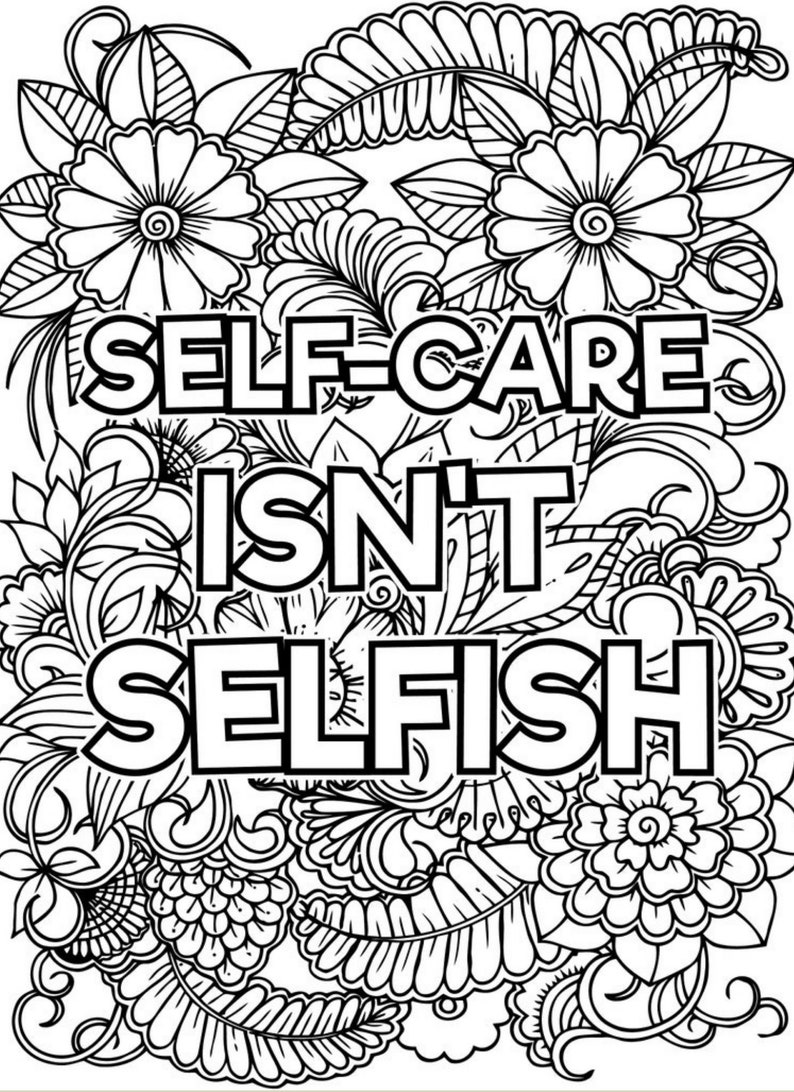
Kind colouring is not about completing intricate, museum-worthy illustrations for an Instagram feed. It is a philosophy of mindful creative play rooted in self-compassion. The "kind" element refers to the attitude you bring to the page:
- Process over product: The finished page does not matter; the sensory experience of applying pigment to paper does.
- No aesthetic judgment: Clashing colours, scribbles, and unfinished patterns are welcomed without critique.
- Freedom from boundaries: Staying inside the lines is optional. If you feel like filling an entire floral pattern with a single wash of blue, you have permission to do so.
Unlike standard adult colouring books that feature hyper-dense geometric mazes—which can inadvertently provoke eye strain and performance anxiety—kind colouring prioritises open, gentle illustrations that invite relaxation rather than tension.
Stop Failing to Practice Self Care with Kind Colouring
To integrate this practice sustainably, you must redefine what success looks like. You do not need an uninterrupted hour in a quiet room with soft lighting. You do not need a 120-piece artist-grade pencil set. You only need a willingness to sit with yourself for a few low-stakes moments.
Here is why kind colouring succeeds where other wellness rituals fail:
1. Zero Cognitive Overhead
Video: The 7-Year-Old Girl Searches for Her Mother, Trains Hard, and Becomes a Swordmaster to Take Revenge
Reading a self-help book requires analytical processing. Journaling forces you to articulate complex emotions that you might not be ready to confront. Colouring requires almost no executive function. Your hand moves, colour fills space, and your mind gets to rest in the background.
2. Tactile Grounding in a Digital World
Most of our fatigue is digital. We spend hours tapping glass, scrolling feeds, and responding to notifications. The physical friction of wax or ink moving across paper provides immediate sensory feedback. This tactile engagement grounds your nervous system and helps pull you out of rumination loops.
3. Built-In Micro-Habit Potential
A self-care habit survives when it fits into micro-windows of your everyday life. You can open a book, shade three petals on a daisy while waiting for dinner to cook, and put the pencil down. There is no penalty for pausing midway through.
The Calming Science Behind the Page
Colouring activates the brain in a manner remarkably similar to traditional meditation. When you focus on repetitive, rhythmic motor movements, your amygdala—the brain's threat and stress response centre—begins to downregulate its activity.
Researchers have noted that structured, repetitive creative tasks help induce a mild state of flow. In this state, heart rates gently stabilise, salivary cortisol levels drop, and the incessant chatter of the Default Mode Network (the brain network responsible for worrying about the past and future) quiets down. You achieve the physiological benefits of mindfulness without the frustration of trying to "empty your mind."
How to Establish a Sustainable Kind Colouring Habit
If you want this practice to endure, treat it with simplicity. Use these four practical steps to set up your routine:
- Keep your tools within arm's reach: Do not store your colouring supplies in a closet or underneath heavy books. Keep an open book and a small cup of five or six pencils on your bedside table or next to your favourite armchair. Eliminating setup time eliminates resistance.
- Set a five-minute boundary: Give yourself explicit permission to stop after five minutes. Often, once you start, you will want to continue for ten or fifteen minutes. But knowing you can quit after five removes the dread associated with long commitments.
- Embrace "ugly" pages: Intentionally ruin a page early on. Scribble across a corner. Choose two colours that clash violently. Dismantling the expectation of beauty neutralises perfectionism immediately.
- Pair it with an existing pause: Connect colouring to an established daily event. Colour while sipping your morning tea, during an evening audio call with a friend, or as a wind-down buffer before turning out the bedside lamp.
Letting Go of the Need to Be Productive
The hardest part of kind colouring is letting yourself engage in something that produces no tangible ROI (return on investment). Our culture teaches us that our downtime must be optimised: we listen to podcasts at 1.5x speed, track our sleep stages with wearable rings, and turn hobbies into side hustles.
Kind colouring produces nothing of commercial value, and that is precisely why it works. It is a quiet rebellion against the demand to be useful every minute of the day. The next time you feel like you are failing at self-care, put down the complicated planners, close the meditation apps, pick up a single crayon, and let yourself play without expectations.


