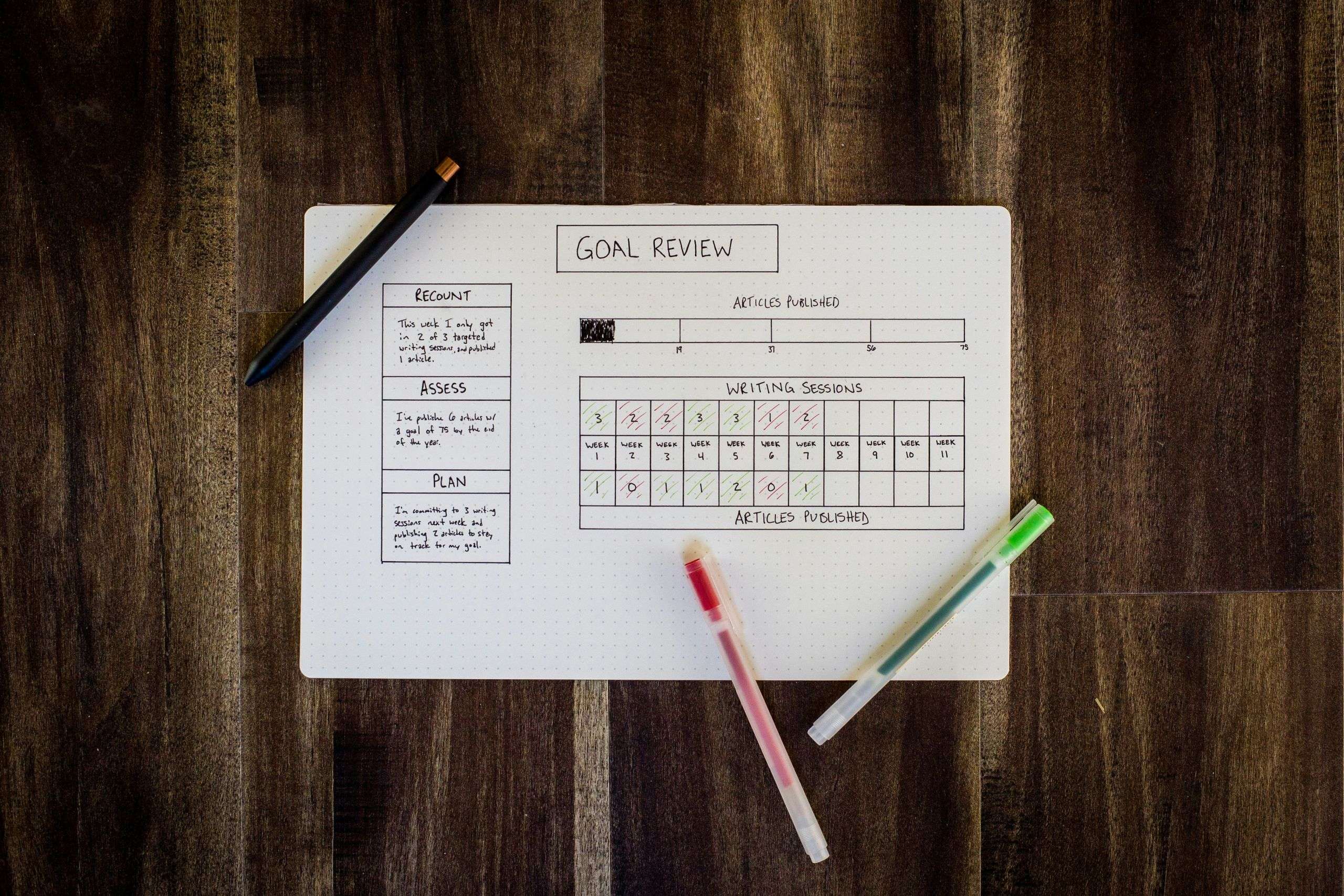
Stop Failing with APush Goal Planners
Advanced Placement United States History (APUSH) is notoriously difficult. With centuries of legislation, social movements, economic shifts, and political turning points to memorize, students often turn to productivity tools to stay organized. Buying a colorful planner or downloading a digital template feels like taking productive action. Yet, many high-achieving students still find themselves overwhelmed, falling behind schedule, and cramming the night before unit exams. If this sounds familiar, it is time to stop failing with APush goal planners and fundamentally rethink how you use them.
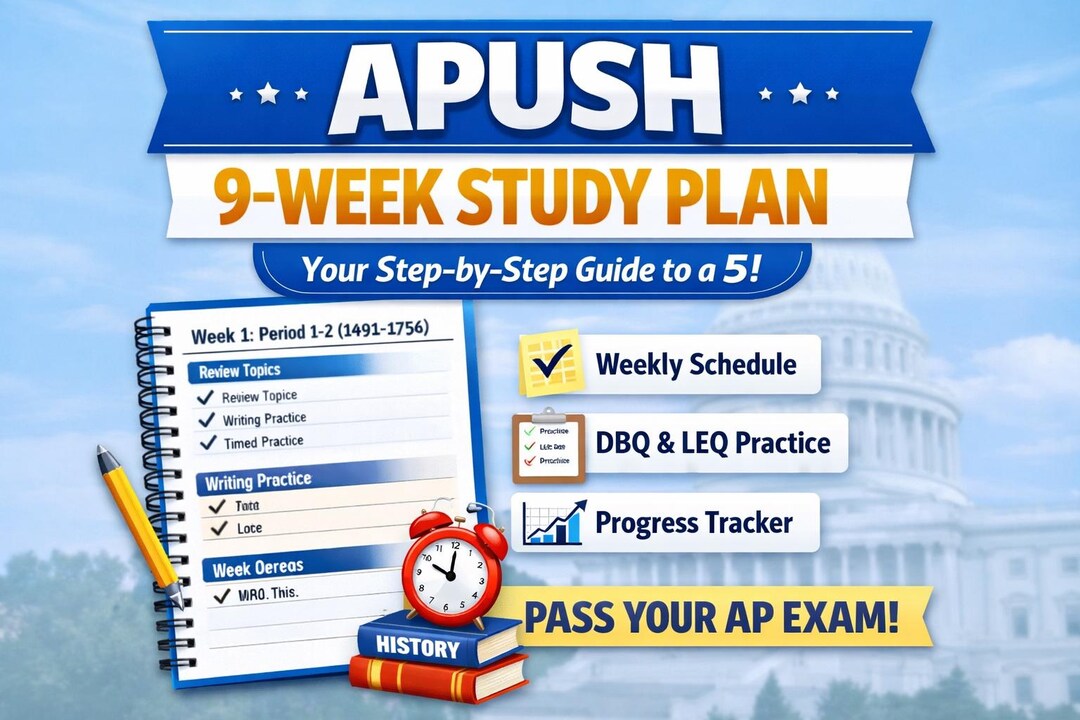
Why Most APUSH Planners Fail
The problem is rarely the planner itself. Whether you use Notion, Google Calendar, or a paper notebook, the tool only reflects the strategy behind it. Most students set themselves up for failure by treating APUSH like a standard high school elective rather than a college-level reading and writing course.
Treating Reading Assignments Like Checklists
A typical planner entry looks like this: "Read Chapter 4 of American Pageant." You sit down, read the chapter, check the box, and feel a false sense of accomplishment. The next day, you realize you remember almost nothing about mercantilism or the Great Awakening. Checking a box is not the same as comprehending and retaining historical causation.
Unrealistic Time Estimates
APUSH textbooks are dense. A single chapter can easily take two to three hours to read critically, take notes on, and process. When students schedule a 30-minute block for a massive reading assignment, they fall behind immediately. Once a schedule breaks down in week three, students abandon the planner entirely.
Focusing on Memorization Over Historical Thinking
The APUSH exam does not test trivial date memorization; it evaluates your ability to analyze historical arguments, synthesize evidence, and contextualize events. If your goal planner only lists topics to cover rather than cognitive skills to master, you are preparing for the wrong test.
How to Reset and Stop Failing with APush Goal Planners
To rescue your study routine, you need to transition from passive tracking to active, outcome-based planning. Here is a step-by-step framework to overhaul your approach.
1. Shift from Tasks to Milestones
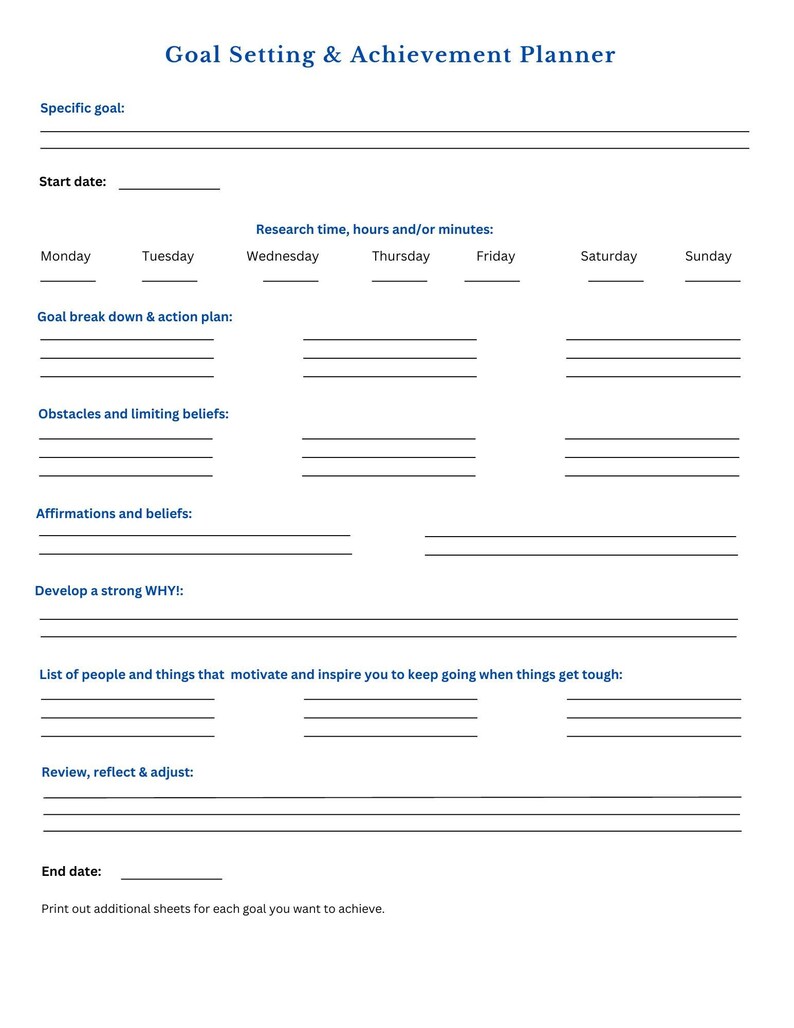
Instead of listing daily reading tasks, structure your planner around the College Board’s nine historical periods and specific learning objectives. Your goal should not be "read pages 100-150," but rather "master the causes and effects of the Market Revolution." This keeps your eyes on the ultimate prize: the May exam.
2. Implement Time-Blocking for Active Reading
Allocate realistic blocks of time for your studies, and divide those blocks into specific active-learning phases:
- Previewing (10 mins): Skim headings, vocabulary terms, and chapter summaries.
- Active Reading and Sourcing (45 mins): Read with a purpose. Stop every two paragraphs to summarize the main argument in your own words.
- Synthesis and Review (15 mins): Connect the material to previous chapters and note potential themes (e.g., Politics and Power, Migration and Settlement).
3. Build in Spaced Repetition
The human brain forgets unreinforced information rapidly. If your planner only has you look at Period 2 once in September and never again until March, you will forget it. Effective APush goal planners incorporate recurring review sessions. Schedule a 20-minute slot every Sunday to review flashcards or essay outlines from the past month.
Integrate Practice Prompts Into Your Daily Schedule
Waiting until April to write your first full-length DBQ (Document-Based Question) or LEQ (Long Essay Question) is a recipe for disaster. Writing under time constraints is a physical and mental skill that requires regular training, much like running a sport.
Your planner must schedule low-stakes writing practice weekly:
- Dedicate Tuesday evenings to outlining a past LEQ prompt using the Thesis/Evidence framework.
- Spend Thursday mornings analyzing primary source documents to practice sourcing (HIPP: Historical situation, Intended audience, Purpose, Point of view).
- Once a month, write a timed, thesis-driven paragraph to build speed and stamina.
Evaluate and Adapt Weekly
A rigid schedule is a fragile schedule. Every Sunday, take ten minutes to audit how your week went. Did you consistently miss your Wednesday study block? Adjust your expectations. Did you breeze through a particular unit because it clicked? Reallocate that time to a tougher upcoming unit, like the Civil War and Reconstruction.
By treating your study plan as a living, breathing document rather than a strict contract you are bound to break, you remove the guilt and stay consistent. Ditch the passive checklists, embrace active historical thinking, and you will finally succeed where your old study methods fell short.