Streamline Operations with Effective Business Maps
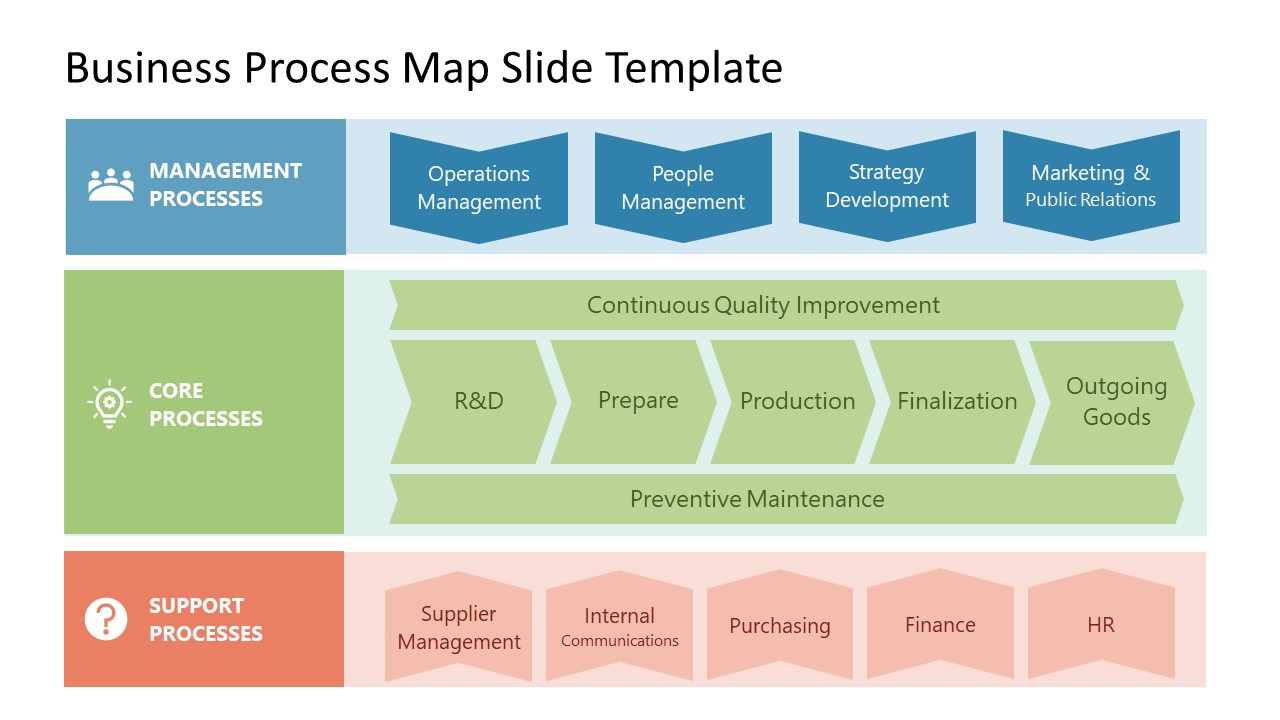
Modern organizations face a constant battle against complexity. As companies grow, processes multiply, communication channels tangle, and daily operations become opaque. When teams lose sight of how work actually flows from end to end, efficiency plummets and costly bottlenecks form. To regain clarity, leaders need a visual blueprint of their enterprise. When you streamline operations with effective business maps, you unlock the transparency required to scale sustainably and remove friction from your workflows.

Business mapping is far more than drawing pretty flowcharts on a whiteboard. It is a strategic discipline that breaks down silos, clarifies individual roles, and aligns daily tasks with overarching corporate goals. This guide explores how to build, implement, and leverage business maps to transform your operational performance.
Understanding Business Mapping and Its Core Value
At its core, a business map is a visual representation of how an organization operates. It captures processes, inputs, outputs, decision points, and the people or systems responsible for executing each step. Just as a geographical map helps a traveler navigate unfamiliar terrain, a business map guides leaders and employees through the intricate landscape of corporate workflows.
Without these maps, companies tend to operate on institutional memory and fragmented assumptions. Department A assumes Department B handles a specific customer onboarding task, while Department B assumes the opposite. The result is dropped balls, frustrated customers, and wasted labor. Operational mapping replaces guesswork with verifiable facts, giving everyone a shared understanding of reality.
Key Types of Business Maps to Implement
Different operational challenges require different types of maps. Depending on your current objectives, you may need to zoom in on a single micro-process or zoom out to view the entire enterprise ecosystem.
1. Value Stream Mapping (VSM)
Value stream mapping is designed to analyze the flow of materials and information required to bring a product or service to a consumer. It highlights every step of the process, categorizing activities into value-added and non-value-added steps. VSM is the gold standard for identifying waste, reducing lead times, and optimizing manufacturing or digital production pipelines.
2. Process Flowcharts
Process flowcharts are ideal for documenting standard operating procedures (SOPs). By mapping out sequential steps using standardized symbols, teams can easily see where conditional branches occur—such as 'If approval is granted, proceed to step four; otherwise, return to review.' These maps are invaluable for training new hires and ensuring compliance.

3. Organizational and Relationship Maps
Process maps focus on tasks, but organizational maps focus on actors. These diagrams illustrate the flow of authority, communication, and collaboration across departments. They help identify which teams rely most heavily on one another and where communication breakdowns typically happen.
Step-by-Step Guide to Streamline Operations with Effective Business Maps
Building a useful business map requires a methodical approach. Rushing the process or relying solely on executive assumptions usually results in inaccurate documentation that nobody uses. Follow these actionable steps to build maps that drive real change.
- Define the Objective and Scope: Determine exactly what you want to achieve. Are you trying to reduce customer support ticket resolution times, or are you mapping out the entire supply chain? Set clear boundaries for where the map starts and ends.
- Gather the Right Stakeholders: Never build a process map in an isolated executive office. Involve the actual workers who execute the process daily. They hold the ground-truth knowledge about where the real bottlenecks and workaround hacks exist.
- Document the Current State (As-Is): Map the process exactly as it is performed today, warts and all. Do not map how you wish it worked. Capturing reality is essential for identifying the inefficiencies you need to fix.
- Analyze and Identify Bottlenecks: Review the current-state map with your team. Look for redundant approvals, excessive handoffs, unnecessary waiting periods, and manual data entry points that invite human error.
- Design the Future State (To-Be): Redraw the map to eliminate identified waste. Automate manual steps, remove redundant reviews, and streamline handoffs. This future-state map becomes your strategic implementation roadmap.
- Implement and Monitor: Roll out the new process, train your staff, and monitor performance metrics to ensure the changes deliver the expected efficiency gains.
Best Practices for Sustainable Process Mapping
Creating a business map is not a one-time project; it is an ongoing operational habit. To ensure your mapping initiatives deliver long-term value, keep these best practices in mind.
- Keep it Simple: Avoid overcomplicating your diagrams with excessive jargon or overly complex notation. If a new team member cannot understand the map within five minutes, it needs simplification.
- Centralize Documentation: Store your business maps in a centralized, cloud-based repository that is easily accessible to all relevant employees. Outdated PDFs sitting on local hard drives quickly become useless.
- Establish Ownership: Assign a process owner to every critical map. This person is responsible for reviewing the workflow periodically and updating it when software, personnel, or company goals change.
- Leverage Modern Tools: Utilize digital mapping software that allows for real-time collaboration, version control, and integration with project management platforms.
Overcoming Common Implementation Challenges
Even with the best intentions, organizations often encounter resistance when introducing new mapping initiatives. Employees may fear that process transparency is a precursor to layoffs or micromanagement. Leaders must frame mapping as a tool to empower workers, eliminate frustrating busywork, and make daily jobs easier.
Another common pitfall is 'analysis paralysis,' where teams spend months perfecting complex diagrams without ever implementing changes. Guard against this by focusing on rapid iteration. Start with high-impact, low-complexity processes to secure early wins and build cultural buy-in for broader operational mapping efforts.
Conclusion
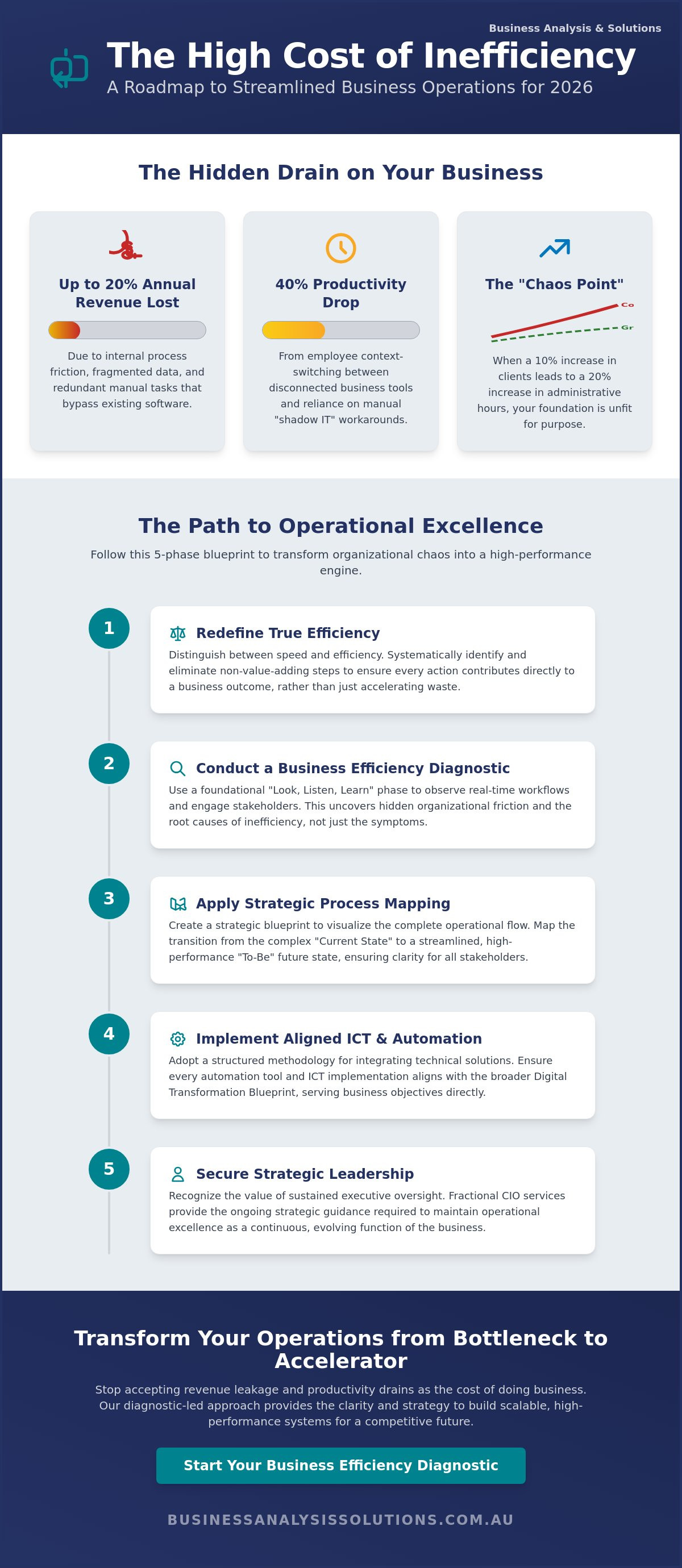
Operational excellence is built on clarity, alignment, and continuous improvement. When you take the time to document, analyze, and optimize your workflows, you remove the hidden friction that drains your company's profitability and morale. By committing to the strategies outlined above, you can successfully streamline operations with effective business maps, positioning your organization for scalable, resilient growth in a competitive marketplace.