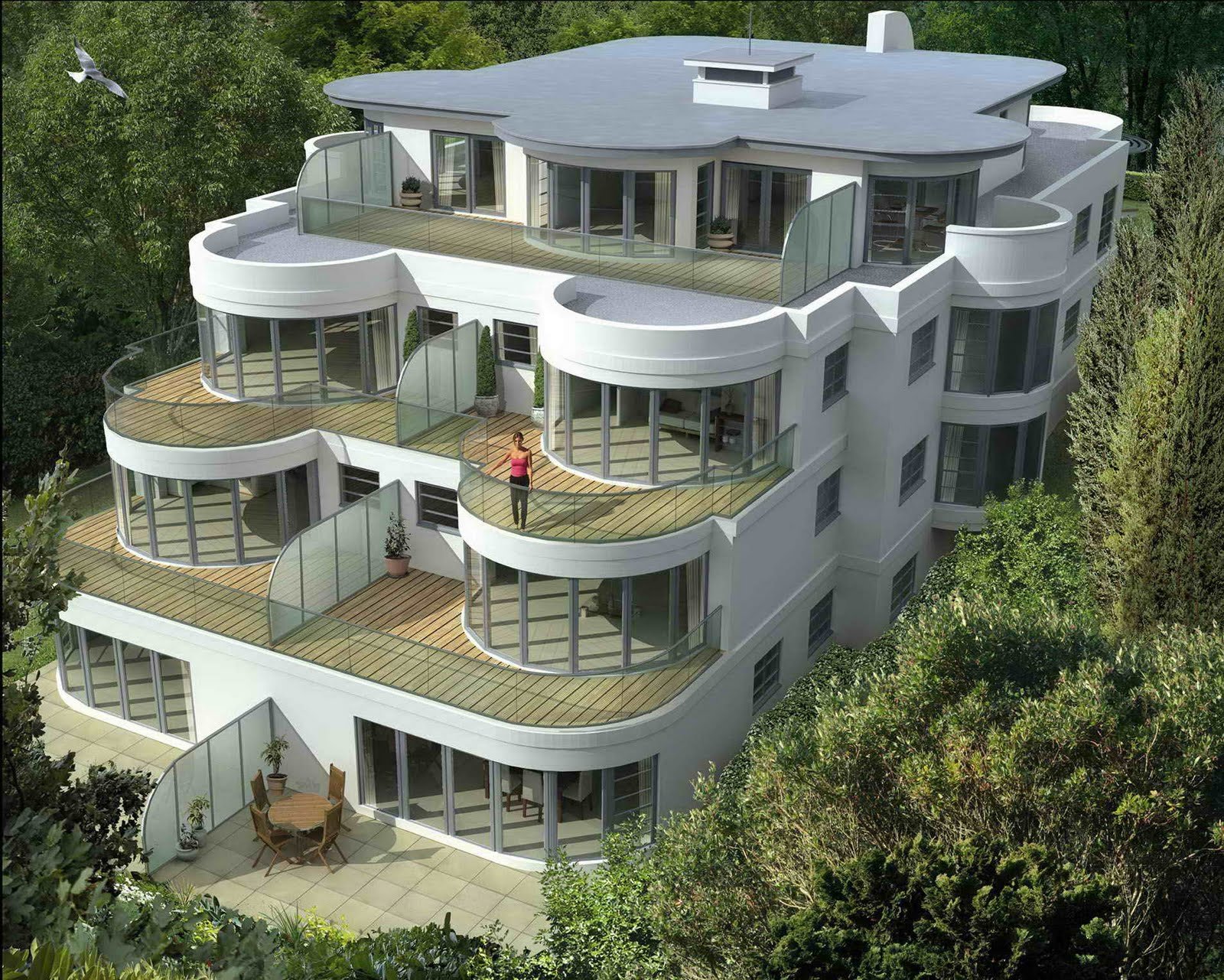
Stunning Architecture Styles for Homes: A Complete Guide
Choosing the right architecture style for homes is one of the most exciting yet challenging parts of the building or buying process. A home's architectural design dictates not only its curb appeal and visual identity, but also how light flows through the interior, how spaces connect, and how well the structure stands up to its environment. Whether you are planning a custom build or simply searching for design inspiration, understanding the world's most enduring and beautiful architectural aesthetics will help you define your vision.
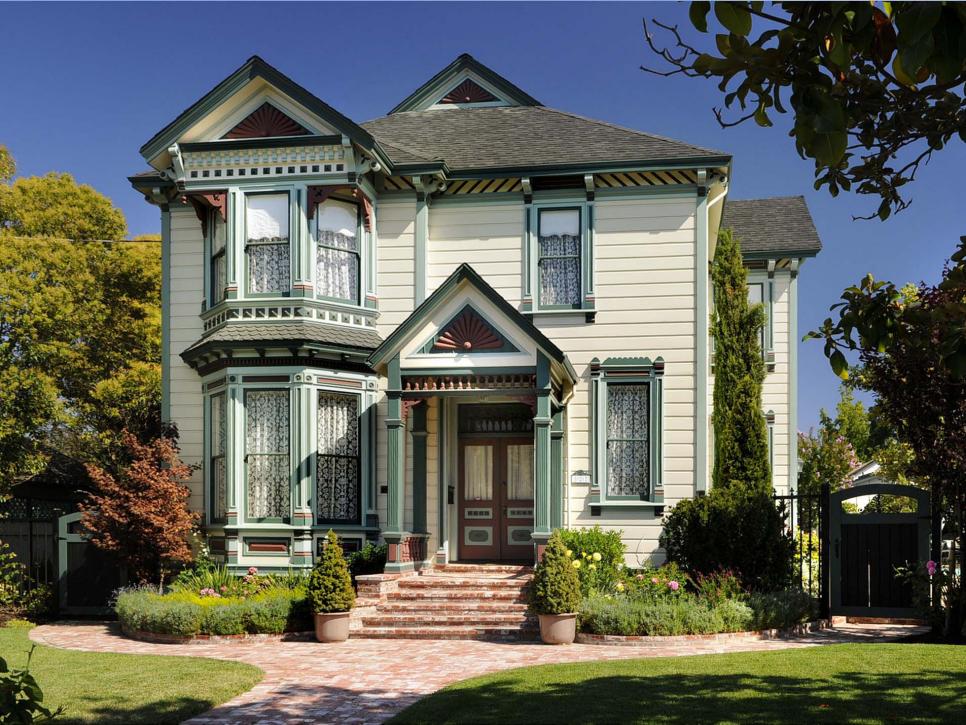
The Appeal of Traditional and Classic Architecture
Classic home designs carry a sense of history, permanence, and comfort. These styles often feature symmetrical lines, handcrafted details, and materials that age gracefully over time. Traditional homes connect us to the past while remaining exceptionally livable today.
Craftsman and Bungalow
Originating during the American Arts and Crafts movement, Craftsman homes celebrate natural materials, exposed beams, and meticulous carpentry. Low-pitched gables, wide front porches supported by tapered columns, and built-in cabinetry define this warm, inviting style. They fit seamlessly into both wooded suburban neighborhoods and leafy urban lots.
Colonial and Georgian
Rooted in European traditions adapted to early American life, Colonial architecture is famous for its strict symmetry, rectangular floor plans, and multi-pane double-hung windows. A classic center-hallway layout organizes the interior, while a stately facade makes an undeniable statement of timeless elegance.
Modern and Contemporary Design Aesthetics
If you prefer clean lines, open spaces, and a blurring of the boundaries between indoor and outdoor living, modern architecture offers unmatched visual drama. These homes prioritize function, innovative engineering, and minimalist beauty.
Video: Inside One of Frank Lloyd Wright’s Final-Ever Designs | Unique Spaces | Architectural Digest
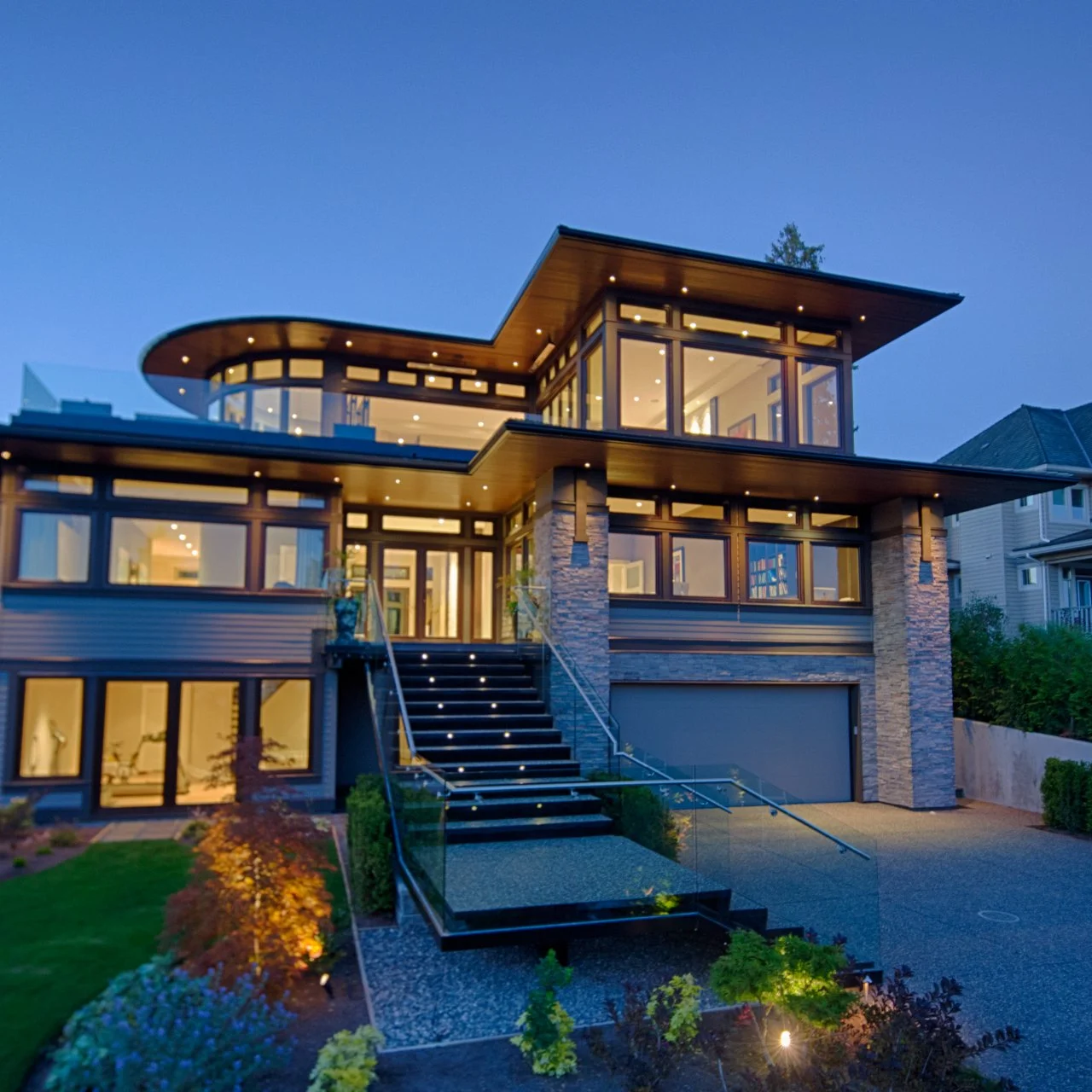
Mid-Century Modern
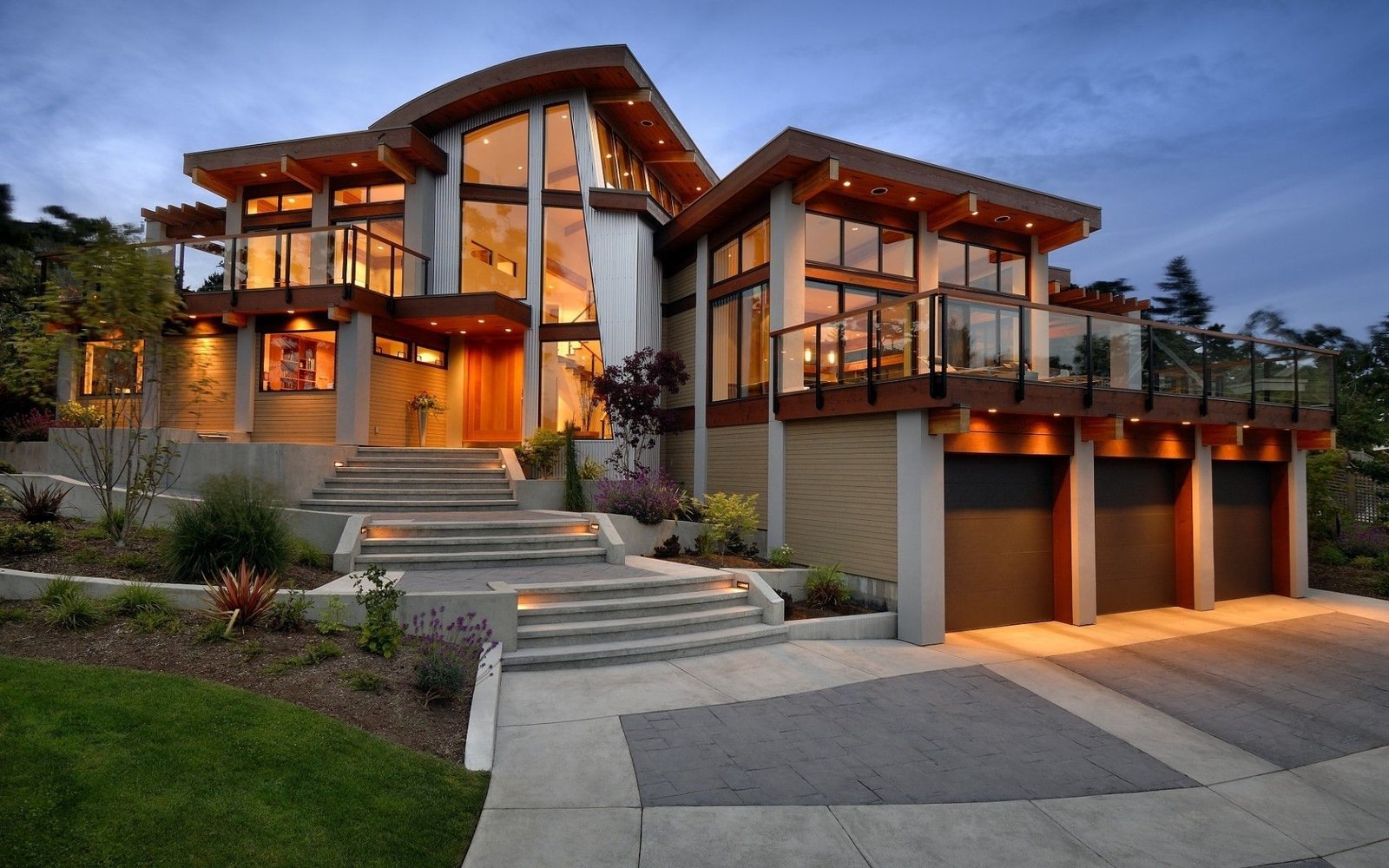
Popularized in the mid-20th century by architects like Frank Lloyd Wright and Richard Neutra, this style emphasizes post-and-beam construction, flat or gently sloping roofs, and expansive glass walls. Mid-century modern homes are designed to harmonize with their surrounding landscapes, flooding interior spaces with natural light.
Contemporary Minimalist
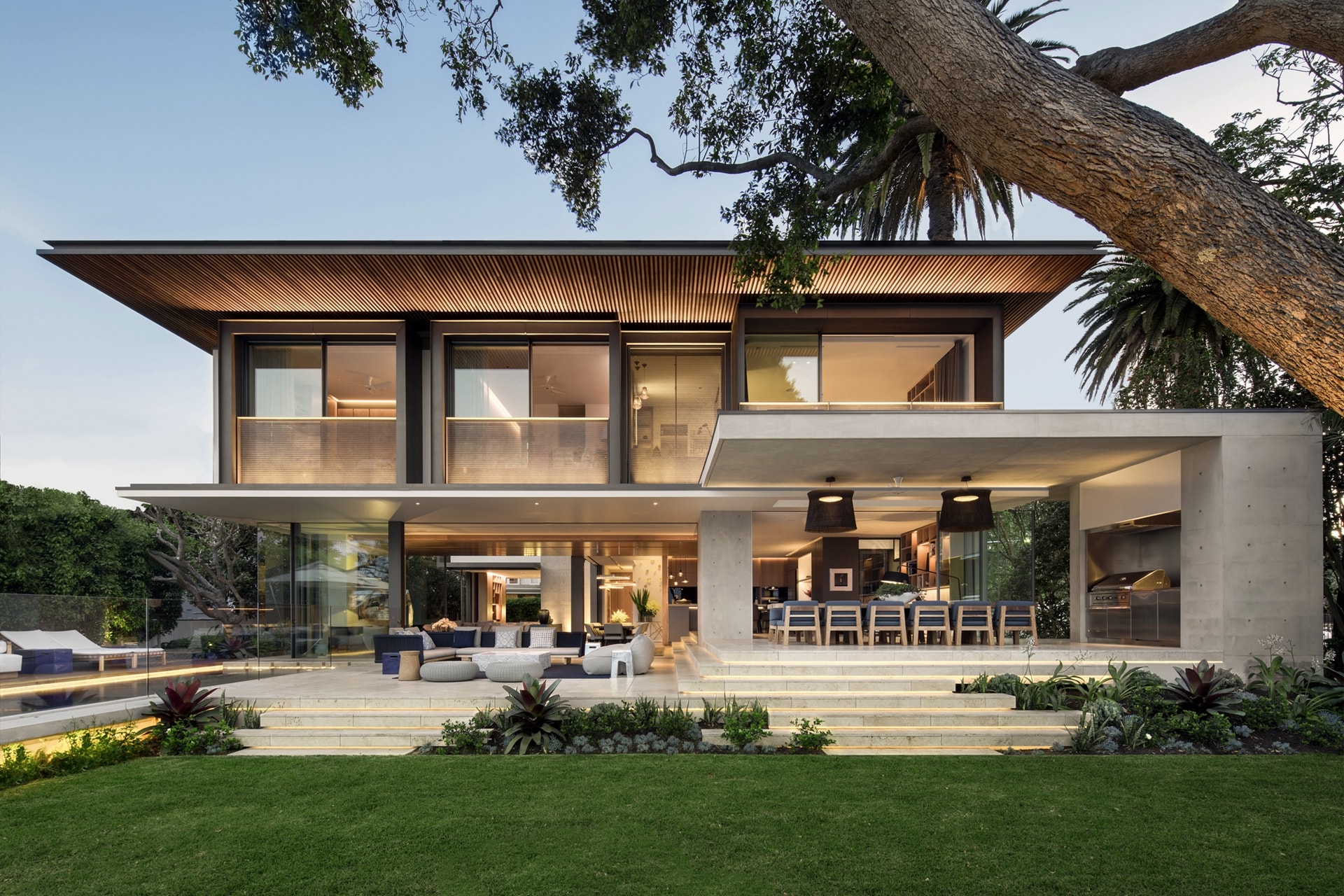
Contemporary architecture represents the bleeding edge of design. It relies on geometric purity, monochromatic color palettes, and industrial materials like steel, concrete, and glass. Cantilevers, hidden flat roofs, and open-concept floor plans create an airy, uncluttered environment that feels both luxurious and serene.
Regional and Landscape-Driven Styles
The most successful architecture styles for homes are often those deeply rooted in their geography and climate. Vernacular designs evolved over centuries to handle local weather patterns using native materials.
- Mediterranean and Spanish Revival: Characterized by stucco walls, red clay tile roofs, arched entryways, and shaded courtyards, these homes excel at keeping interiors cool in warm, sunny climates.
- Modern Farmhouse: Combining rural utility with urban sophistication, this style features board-and-batten siding, steep metal roofs, and large wraparound porches ideal for countryside or suburban living alike.
- Mountain Chalet: Built with heavy timber frames and massive stone fireplaces, chalet-style homes are engineered to shed heavy winter snows while offering a cozy, cabin-like interior retreat.
How to Choose the Right Style for You
Selecting a design goes beyond personal preference. To find the ideal aesthetic for your project, consider the following factors:
- Climate and Environment: A glass box works brilliantly in Los Angeles, but demands intense heating considerations in Minnesota. Let your local weather guide your roof pitch, window placement, and material selection.
- Neighborhood Context: While standing out is fun, clashing violently with your surroundings can hurt property value and community cohesion. Look for design elements that bridge your personal taste with local vernacular.
- Future Lifestyle Needs: Open-concept modern plans are fantastic for entertaining, but growing families often appreciate the acoustic privacy offered by traditional, compartmentalized layouts.
Ultimately, the most beautiful architecture style for homes is one that balances aesthetic integrity with practical comfort. By understanding the distinct characteristics of these major design movements, you can create a living space that feels authentic, inspiring, and uniquely yours.