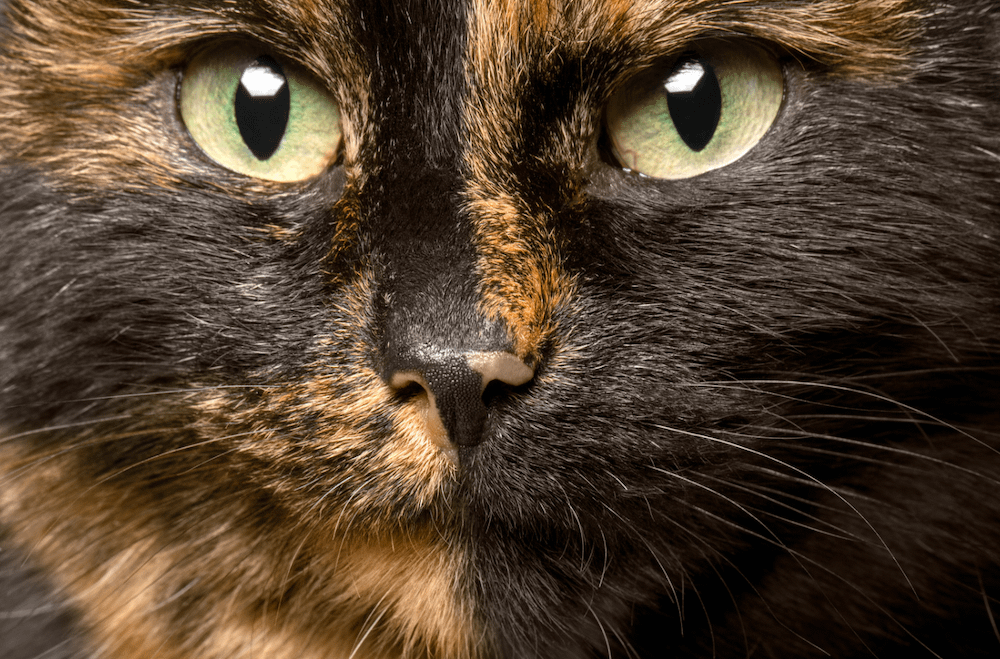
Stunning Images of Tortie Cats and What Makes Them Unique
Discovering the Beauty of Tortoiseshell Cats

If you have ever scrolled through social media or flipped through a calendar of feline photography, you have likely paused at striking images of tortie cats. Famous for their rich, mottled coats that blend black, orange, brown, and sometimes white patches, tortoiseshell cats are visually captivating. Because of how their coloration randomly distributes across their fur, no two torties look exactly alike. This unique aesthetic has made high-resolution images of tortie cats immensely popular among cat lovers, artists, and photographers alike.
Beyond their stunning appearance, these cats carry a rich lore and a reputation for having distinct, fiery personalities. Whether you are looking at professional photographs or snapshots of a rescue pet, understanding the science and character behind the coat adds a deeper appreciation for these remarkable animals.
The Genetics Behind Tortie Coats
The distinct look captured in images of tortie cats is the result of fascinating feline genetics. The coloration of a cat's fur—specifically the presence of black or orange pigment—is tied directly to the X chromosome.
Why Almost All Torties Are Female
Because female cats have two X chromosomes (XX) and males have one X and one Y (XY), the genetics of coat color become quite unique:
- Female Cats (XX): A female kitten receives one X chromosome from her mother and one from her father. If one chromosome carries the gene for orange fur and the other carries the gene for black fur, both traits are expressed through a process called X-inactivation (or lyonization). This creates the iconic tortoiseshell pattern.
- Male Cats (XY): A male kitten only has one X chromosome, meaning he can typically only display either black or orange fur, but not both. For a male cat to be a true tortoiseshell, he must have an abnormal genetic makeup known as XXY (Klinefelter syndrome), which occurs in roughly one out of every 3,000 torties and usually renders them sterile.
This genetic reality means that when you search for images of tortie cats online, you are almost exclusively looking at pictures of female felines.
Tortie vs. Calico: What is the Difference?
People often confuse tortoiseshell cats with calico cats because both feature a mix of black and orange fur. However, there is a distinct visual difference that becomes clear when comparing photographs of the two:
- Tortoiseshell (Tortie): The coat is predominantly a tight, mottled blend of black and orange (or their diluted versions, grey and cream). The colors are finely intermingled or brindled together with very little white fur.
- Calico: Calico cats feature distinct, separate patches of solid white, solid black, and solid orange. Their colors are blocked rather than blended.
Many torties do have a small dusting of white on their chests or paws—sometimes referred to as 'tortico'—but the defining characteristic of a classic tortie is the dense, speckled tapestry of dark and warm tones.
Variations Found in Tortie Photographs

When browsing through photo galleries, you will quickly notice that tortoiseshell cats come in several different visual variations depending on their base pigmentation and coat patterns.
Solid vs. Dilute Torties
Standard torties feature deep jet blacks paired with fiery, vibrant oranges and deep browns. However, a genetic mutation can soften these pigments, resulting in what is known as a dilute tortie. Instead of black and orange, dilute torties display a soft, muted palette of grey (blue), cream, and silver-beige. Images of dilute torties often have a dreamy, pastel aesthetic that appeals to many pet owners.
Tabby and Tortie Mixes (Torbies)
Another fascinating variation is the 'torbie,' which is a portmanteau of tortoiseshell and tabby. These cats combine the mottled black and orange color blocks of a tortie with the distinct striped patterns, 'M' forehead marking, and agouti hairs of a tabby cat. Photographs of torbies reveal a wonderfully complex coat texture that looks almost like camouflage.
Understanding 'Tortitude': Personality in Pictures
Cat owners often claim that images of tortie cats hint at a very specific behavioral trait: 'tortitude.' This portmanteau of 'tortoiseshell' and 'attitude' describes a widely held belief that female torties are fiercely independent, feisty, vocal, and full of personality.
While scientific studies on the direct link between coat color and temperament are limited, cat behaviorists and owners frequently report that torties tend to be:
- Spunky and Bold: They often possess a high energy level and aren't afraid to assert themselves in multi-pet households.
- Deeply Affectionate: Despite their independent streak, many torties form exceptionally strong bonds with their chosen humans, often acting as loyal 'velcro cats.'
- Vocal Communicators: They are known to use a wide variety of chirps, meows, and trills to let their owners know what they want.
Whether lounging regally in a sunbeam or darting after a toy mouse, a tortie's expressive eyes and dynamic poses make them absolute favorites for pet photography.
Tips for Photographing Your Own Tortie
If you own one of these beautiful felines and want to capture your own images of tortie cats, getting the right shot can sometimes be tricky due to their dark fur. Here are a few quick tips to help your pet shine on camera:
- Prioritize Natural Lighting: Flash photography can wash out the subtle reddish-brown undertones in a tortie's coat. Instead, position your cat near a large window to highlight the rich contrast between their dark and warm fur.
- Focus on the Eyes: Torties often have striking amber, green, or copper eyes that pop against their multicolored faces. Ensure your camera's autofocus locks onto their eyes for a compelling, sharp portrait.
- Keep Contrast in Mind: Avoid placing your cat against dark, heavy backgrounds where they might blend in. Lighter walls, colorful blankets, or wooden floors will help their unique coat pattern stand out clearly.
Whether you appreciate them for their genetic rarity, their striking visual aesthetic, or their legendary spirited personalities, tortoiseshell cats remain an enduring favorite. By studying close-up images of tortie cats, you can truly appreciate the incredible artistry of nature's color palette.