Subconscious Manipulation: Techniques & Defense
Understanding Subconscious Manipulation
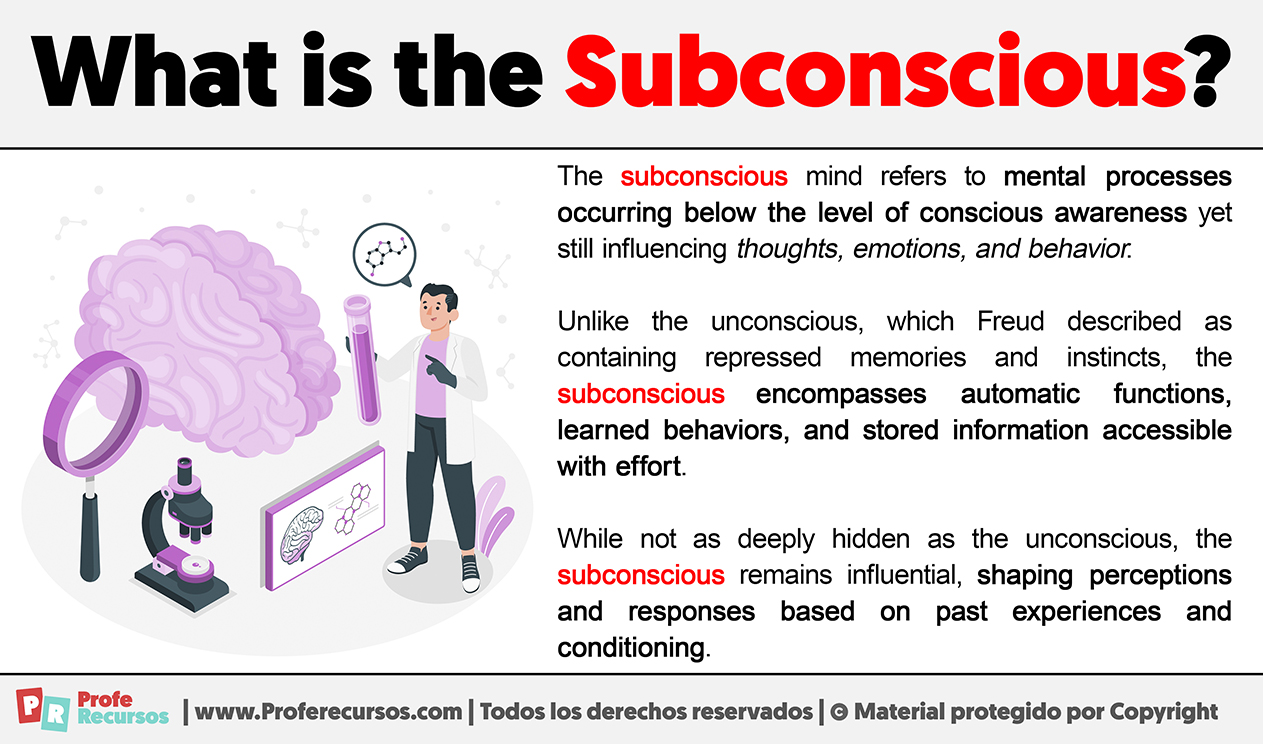
Every day, we make hundreds of choices—from the brand of coffee we buy to the political opinions we hold. We like to believe these decisions are entirely rational and independent. However, modern psychology reveals a different reality. Much of our behavior is shaped by subtle external influences known as subconscious manipulation. This phenomenon occurs when individuals or organizations use psychological triggers, environmental cues, and cognitive biases to steer our thoughts and actions without our conscious awareness.
Unlike overt coercion or direct persuasion, which trigger our critical thinking and defensive instincts, manipulation operating at the subconscious level slips past our mental radar. By targeting our emotions, habits, and evolutionary instincts, these techniques alter how we perceive the world. Recognizing these hidden mechanisms is the first step toward regaining true autonomy over your choices.
How Subconscious Manipulation Works in Daily Life
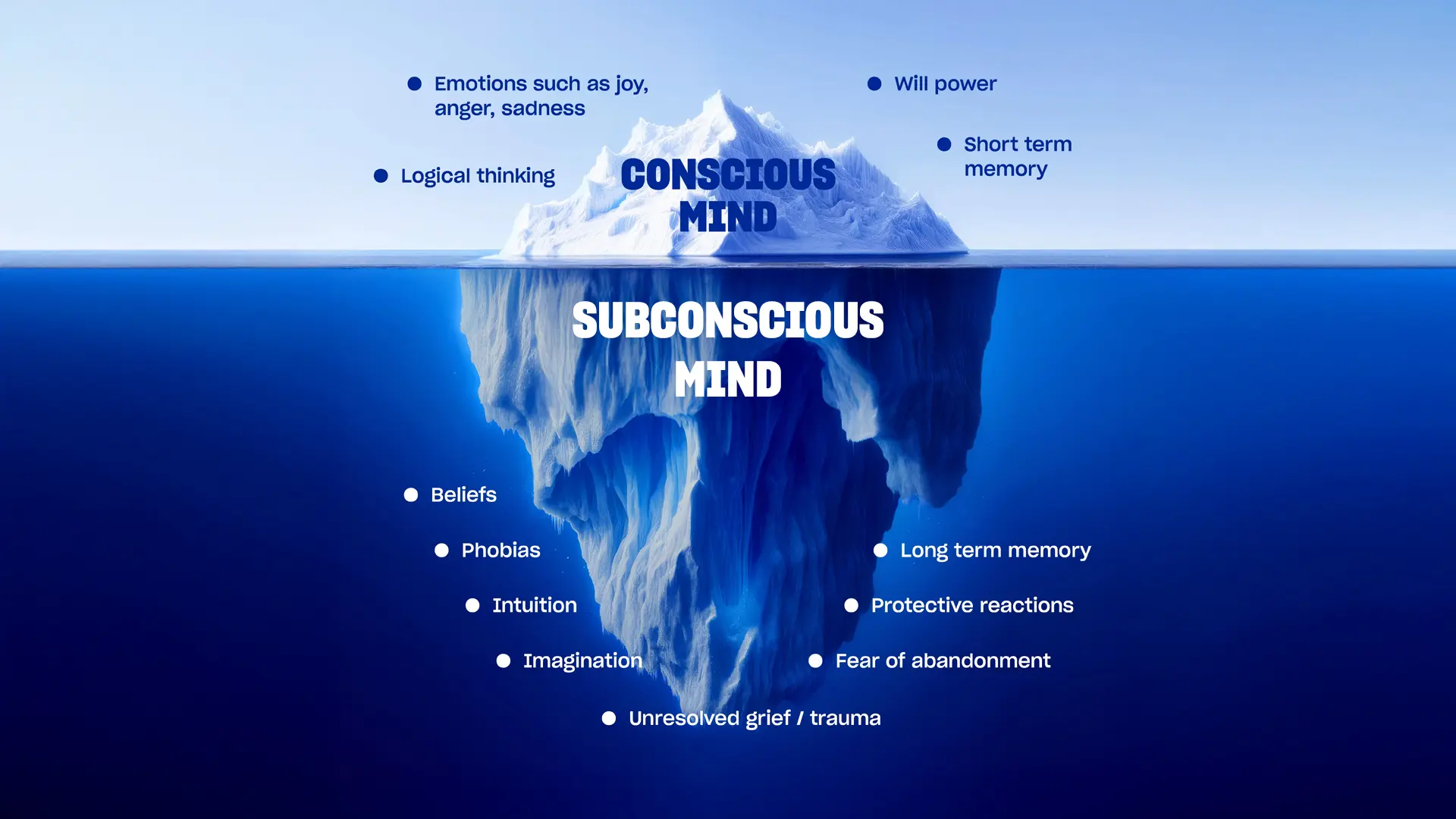
Our brains are bombarded with millions of bits of sensory information every second. To prevent cognitive overload, the conscious mind filters out the vast majority of this data, leaving the subconscious mind to process the rest. Manipulators exploit this cognitive bottleneck by embedding cues that register below the threshold of active awareness.
1. Priming and Environmental Cues
Priming is a psychological phenomenon where exposure to one stimulus influences how you respond to a subsequent, unrelated stimulus. For example, studies show that playing French music in a wine shop significantly increases the sales of French wine over German wine, even though customers do not consciously connect the background music to their purchasing decision. Advertisers, interior designers, and politicians constantly use priming through colors, sounds, and imagery to set a specific emotional baseline before asking for a commitment.
2. Emotional Exploitation
Rational thought requires cognitive energy, whereas emotional reactions are fast and automatic. Subconscious manipulation frequently bypasses logic by stoking primal emotions like fear, anger, urgency, or belonging. When you are emotionally activated, the prefrontal cortex—responsible for critical thinking—takes a back seat to the amygdala. Headlines designed to outrage, limited-time offers that manufacture panic, and social proof that plays on the fear of missing out (FOMO) are classic examples of emotional steering.
3. Cognitive Biases and Heuristics
Video: Anti Mind Control | Cleanse Your Mind From Gaslighting & Subconscious Manipulation | Reclaim Energy
To navigate a complex world, human brains rely on mental shortcuts called heuristics. While efficient, these shortcuts leave us vulnerable to manipulation. Common biases exploited by influencers and marketers include:

- The Bandwagon Effect: The tendency to do something primarily because others are doing it.
- Authority Bias: The propensity to attribute greater accuracy to the opinion of an authority figure, regardless of the topic.
- The Decoy Effect: Introducing a third, less attractive option to make one of the original choices look like a superior bargain.
Common Arenas of Hidden Influence
Subconscious manipulation is not confined to a mad scientist's laboratory; it is embedded in the fabric of modern commerce, media, and digital platforms.
Digital Interfaces and Dark Patterns
The apps and websites you use daily are engineered by behavioral psychologists. User interfaces often employ "dark patterns"—design choices deliberately crafted to trick users into doing things they might not otherwise do. Examples include pre-checked subscription boxes, deliberately confusing cancellation processes, and infinite scroll features designed to trap your attention and maximize screen time.
Advertising and Sensory Branding
Commercials do more than list product features; they build deep sensory associations. Scent marketing in retail stores, the specific crunch sound engineered into snack packaging, and warm color palettes in fast-food logos are all meticulously calibrated to induce cravings and brand loyalty long before you rationally evaluate the product.
Practical Strategies to Defend Your Mind
While you cannot completely shield yourself from every external stimulus, you can build psychological resilience against subconscious manipulation. Developing mental hygiene practices helps bring hidden influences into conscious awareness.
- Slow Down Decision-Making: When a choice triggers a sudden surge of urgency or strong emotion, pause. Give your prefrontal cortex time to catch up by taking a step back before making a purchase, signing a contract, or sharing information.
- Question the Motivation: Ask yourself: Who benefits if I take this action right now? Trace the source of the stimuli. Is the environment designed to make you feel exclusive, panicked, or deeply validated?
- Audit Your Environment: Limit your exposure to high-manipulation environments. Unsubscribe from marketing emails that rely on panic-inducing subject lines, use ad-blockers, and curate your social media feeds to reduce algorithmic steering.
- Practice Mindfulness: Regular mindfulness meditation trains your brain to observe thoughts and sensations without immediately reacting to them. This heightened self-awareness makes it much harder for external cues to hijack your behavior.
Conclusion
Subconscious manipulation is a powerful force in a world saturated with media, targeted advertising, and persuasive technology. However, awareness acts as an antidote. By understanding how priming, emotional triggers, and cognitive biases work beneath the surface, you strip away their hidden power. The next time you feel an unexplained urge to buy, click, or react, take a breath, investigate the source, and reclaim control over your own mind.