Succeed At Amazon With Corporate Procedures
Amazon is unlike almost any other corporation on earth. Whether you are an ambitious internal employee looking to climb the ladder, a third-party vendor negotiating contracts, or an enterprise partner integrating with their supply chain, chaos often seems to reign. However, beneath the surface of rapid innovation lies an ultra-rigid framework of internal rules, documentation standards, and operational rhythms. To truly succeed at Amazon with corporate procedures, you must abandon traditional corporate playbooks and adopt the specific mechanisms that govern the tech giant.

Understanding these institutional habits is the ultimate differentiator between outsiders who struggle and insiders who thrive. This guide breaks down the core operational procedures, communication standards, and compliance frameworks that dictate how business is actually conducted in the Amazon ecosystem.
Mastering Working Backwards and the 6-Page Narrative
The single most important communication and product development procedure at Amazon is the abandonment of PowerPoint in favor of the narrative. If you want to pitch a new product feature, a marketing campaign, or a operational shift, you do not use slides.
Instead, Amazon relies on written documents. Understanding how these narratives are structured is vital for anyone looking to succeed at Amazon with corporate procedures.
- The Press Release: Projects start with a hypothetical press release written from the customer's perspective. If the future press release is not compelling, the project is dead on arrival.
- The FAQ (Frequently Asked Questions): This internal document anticipates every possible objection, technical hurdle, and financial risk associated with the proposal.
- The 6-Page Narrative: Dense, data-driven prose that explains the context, data, and execution plan. It is read silently in the first 15 to 20 minutes of every major meeting before any discussion begins.
If you cannot write clearly, you cannot communicate effectively within Amazon's corporate structure. Precision of thought translates directly to precision of writing.
Aligning Decisions with Leadership Principles
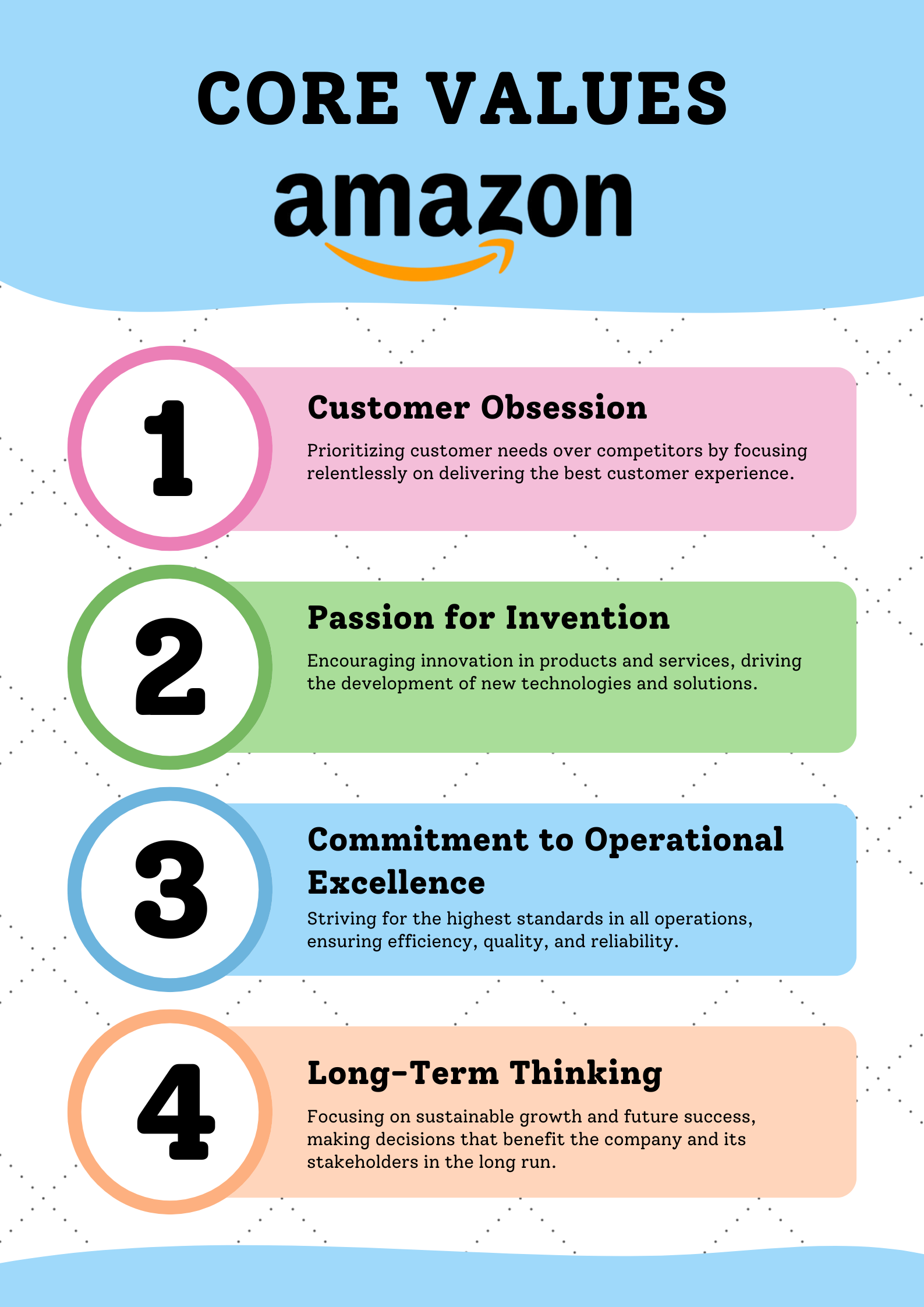
Amazon's 16 Leadership Principles are not just posters on a wall or buzzwords for the company website; they are operational tools. Every hiring decision, performance review, and strategic debate is filtered through these principles.
How Principles Guide Daily Operations
When solving a complex problem or writing a justification for a budget increase, employees and vendors alike must tie their rationale back to specific principles. Common anchors include:
- Customer Obsession: Starting with the customer and working backwards.
- Ownership: Acting on behalf of the entire company, beyond just one's own team.
- Bias for Action: Speed matters in business. Many decisions are reversible and do not need extensive study.
- Dive Deep: Leaders operate at all levels, stay connected to the details, and audit frequently when data and anecdote differ.
When presenting data or defending a proposal to Amazon stakeholders, frame your arguments around how your initiative serves these specific behavioral benchmarks.
Navigating Vendor Central and Operational Compliance

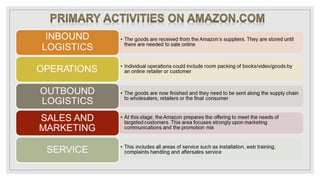
For third-party sellers, manufacturers, and enterprise vendors, succeeding at Amazon requires mastering automated corporate procedures known as Vendor Central compliance. Amazon runs its supply chain on strict algorithmic enforcement rather than flexible human negotiation.
Strict Supply Chain Protocols
Amazon enforces strict rules regarding packaging, labeling, electronic data interchange (EDI), and delivery windows. Failing to meet these operational procedures triggers financial penalties known as chargebacks or vendor operational defects (COGs).
- ASIN and Catalog Accuracy: Product listings must match physical inventory down to the millimeter and gram. Discrepancies lead to automated fulfillment freezes.
- PO Acceptance Timelines: Purchase orders must be confirmed and shipped within tight, algorithmically mandated windows to maintain good vendor standing.
- Packaging Guidelines: Frustration-free packaging mandates require specific box sizes and materials to minimize waste in Amazon fulfillment centers.
Treat Amazon's automated system requirements with the same rigor you would apply to legal contracts. Compliance prevents margin erosion from unexpected fees.
Data-Driven Decision Making and Metrics
Amazon is fundamentally a metric-driven organization. Gut feelings and intuition carry very little weight during business reviews. Whether you are reviewing weekly business metrics (WBRs) or monthly business reviews (MBRs), specific Key Performance Indicators (KPIs) rule the day.
To succeed, you must learn to speak the language of metrics. Input metrics (actions you can directly control, such as inventory levels or page-load speeds) are often scrutinized more heavily than output metrics (like total revenue or profit, which are results of inputs). When things go wrong, Amazon's corporate procedures demand a deep dive into the root cause using the 'Five Whys' methodology until the exact mechanical failure is uncovered.
Building Cross-Functional Alignment
Silos are heavily discouraged within Amazon’s corporate structure. Major projects require inputs from legal, finance, PR, software development, and operations. Because teams are decentralized and often global, asynchronous communication is standard.
When proposing a cross-functional initiative, use single-threaded leadership models. Amazon frequently assigns a single owner to a project who has the autonomy to make decisions, backed by a clear charter. Respecting these ownership lines prevents bottlenecks and ensures accountability.
Conclusion
Succeeding in the world's largest online retailer requires more than just a great product or a strong resume. It demands fluency in their internal language—from the 6-page narrative and Leadership Principles to automated supply chain compliance. By aligning your strategies with these established corporate procedures, you remove friction, build trust with stakeholders, and position yourself for long-term growth within the Amazon ecosystem.