Suffolk County Cop Salary & The True Taxpayer Cost
Introduction

When discussing municipal budgets on Long Island, one topic always dominates local conversations: public safety expenditures. Residents frequently ask: how much does a Suffolk County cop make? While base salaries are a matter of public record, the true cost to the taxpayer involves a complex web of longevity pay, night differentials, healthcare, and massive overtime payouts. Understanding these numbers requires looking past the base pay stub to see the full financial picture of policing in New York's largest suburban county.
The Anatomy of a Suffolk County Police Officer's Pay
To understand total compensation, we must break down how a police officer's paycheck is constructed in Suffolk County. The compensation package is heavily negotiated through collective bargaining agreements between the county and the Suffolk County Police Benevolent Association (PBA).
Base Salary Progression
Entry-level pay for a Suffolk County police officer has evolved significantly over successive contract negotiations. Historically, new hires started at a very low base salary that took over a decade to reach top-step pay. Recent contracts have compressed this schedule slightly, but the financial trajectory remains steep:
- Recruit Academy Pay: Recruits typically start at a reduced base salary while attending the academy.
- Step Progression: Officers move up pay steps annually, with significant jumps occurring during the first five years of service.
- Top-Step Pay: Experienced officers reach top-grade base salaries that frequently exceed $150,000 per year before factoring in any additional stipends or overtime.
Beyond the Base: Longevity and Differentials
Base salary is only the starting point. Suffolk County police officers are eligible for a variety of built-in pay enhancements that increase their annual earnings:
- Night Differentials: Extra compensation for working evening and overnight shifts.
- Holiday Pay: Rolled into the compensation structure for working designated holidays.
- Longevity Payments: Incremental pay increases that kick in after a specified number of years on the job, rewarding career retention.
- Specialized Assignment Stipends: Detectives, canine handlers, aviation units, and highway patrol officers receive specialized stipends for their training and duties.
The Overtime Factor
The single biggest driver of high police compensation—and the source of ongoing debate among fiscal watchdogs—is overtime. In Suffolk County, millions of dollars in taxpayer funds are allocated annually to cover overtime costs.
Why Overtime Piles Up
Several factors contribute to high overtime expenditures within the Suffolk County Police Department (SCPD):
- Staffing Minimums: Precincts must maintain specific staffing levels 24/7, leading to mandatory overtime when vacancies or medical leaves occur.
- Special Events and Detail: Summer patrols, parades, festivals, and major traffic details require heavy manpower.
- Court Appearances: Officers often earn overtime pay for testifying in court during their off-hours.
It is not uncommon for individual officers to double their base salaries through aggressive overtime scheduling, pushing total annual compensation well past $250,000 for select personnel.
How Much Does a Suffolk County Cop Make? Total Compensation and Benefits
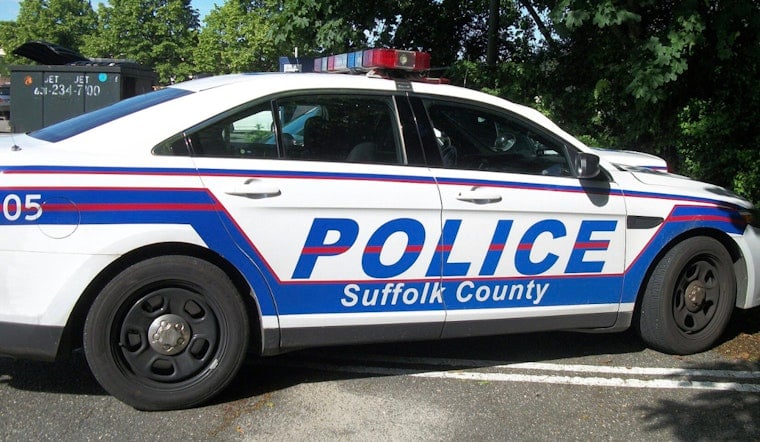
When analyzing how much does a Suffolk County cop make?, salary is only half the equation. The total compensation package includes robust healthcare benefits and one of the most lucrative pension systems in the nation.
Health Insurance and Healthcare Costs
Active and retired Suffolk County police officers enjoy comprehensive health insurance coverage with significantly lower out-of-pocket employee contributions than what is typical in the private sector. While public sector unions have made some concessions regarding healthcare copays for new hires, the long-term cost of funding these health benefits remains a major line item in the county budget.
The Pension Equation
New York State's pension system (specifically Tier 6 for newer hires, with older officers under more generous tiers) guarantees defined-benefit pensions. Suffolk County officers can typically retire after 20 or 25 years of service with a percentage of their final average salary (FAS). Because overtime frequently counts toward calculating the FAS under certain tiers, late-career overtime spikes can permanently inflate an officer's pension for the rest of their retirement.
The Real Cost to the Taxpayers
Public safety consistently accounts for the largest share of the Suffolk County operating budget. Property taxes on Long Island are among the highest in the United States, and a substantial portion of those tax dollars goes directly toward police salaries, health benefits, and pension liabilities.
Property Tax Impact
Suffolk County homeowners face steep property tax bills divided among county, town, school district, and special district levies. Because police labor costs are fixed or rising due to multi-year contracts, county executives frequently face difficult choices: raise property taxes, cut non-public safety services, or borrow money to balance the budget.
The Debate Over Fiscal Sustainability
Taxpayer advocacy groups and fiscal watchdogs often argue that current compensation levels are unsustainable for a suburban county with fluctuating economic revenues. They point to instances where police overtime budgets are routinely exceeded, forcing mid-year budget reallocations.
Conversely, union representatives and supporters argue that high pay is necessary to attract and retain top-tier candidates in an expensive metropolitan region. They emphasize the dangerous, high-stress nature of police work, arguing that competitive compensation ensures community safety and professional standards.
Conclusion
Answering the question of how much a Suffolk County cop makes requires looking past a simple salary figure. While base pay routinely climbs past $150,000 for veteran officers, the combination of lucrative overtime opportunities, premium healthcare, and robust pensions brings the true financial footprint much higher. For Long Island taxpayers, funding this level of public safety comes with a heavy price tag—one that will remain at the center of local budget debates for years to come.