Sun Breathing: Origins, Techniques, and Benefits
Breathing is the one bodily function that operates seamlessly on autopilot yet remains completely under our conscious control. While most wellness routines focus on slow, calming techniques to wind down, certain practices aim to do the exact opposite. Sun breathing is a dynamic breathwork and visualization method designed to invigorate the nervous system, clear mental fog, and infuse the body with vital energy.

Whether you are looking to replace your morning cup of coffee with a natural stimulant or need a reliable pick-up during an afternoon energy slump, this ancient-inspired practice offers a practical toolkit. Rooted in both traditional yogic traditions and modern mindfulness exercises, sun breathing harnesses the metaphorical and energetic qualities of the sun to awaken your physical and mental capacities.
What is Sun Breathing?
At its core, sun breathing combines rhythmic, deep respiration with mental imagery of warm, golden sunlight entering the body. Unlike meditative breathing techniques meant to induce deep sleep or profound stillness, sun breathing is designed to stimulate. It activates sympathetic nervous system engagement just enough to promote alertness without triggering a state of panic or anxiety.
The concept draws heavily from *Surya Namaskar* (Sun Salutations) in yoga and *Pranayama* (breath control). In these traditions, the sun represents the ultimate source of *prana*—life force energy. By visualizing this energy filling your lungs with every inhale and radiating outward to your limbs with every exhale, you stimulate circulation, raise your internal temperature, and sharpen cognitive focus.
The Science Behind Solar Breathwork
While the terminology leans toward the esoteric, modern science validates many physiological benefits of intentional, deep breathing patterns:
- Increased Oxygenation: Deep diaphragmatic breathing floods the bloodstream with fresh oxygen, which optimizes cellular energy production and brain function.
- Vagus Nerve Stimulation: Controlled breathing modulates heart rate variability, helping the body balance alertness with composure.
- Dopamine and Cortisol Regulation: Morning breathwork routines help regulate cortisol spikes naturally, supporting healthy circadian rhythms and alertness.
How to Practice Sun Breathing Step-by-Step
You do not need any special equipment or an advanced yoga background to start practicing. All you need is a comfortable place to sit or stand and a few minutes of uninterrupted time.
1. Find Your Posture
Sit upright in a chair with both feet flat on the floor, or cross-legged on a yoga mat. Roll your shoulders back and down, lengthen your spine, and let your hands rest comfortably on your knees, palms facing upward to receive energy.
2. Center with Natural Breaths
Close your eyes and take three slow, natural breaths. Notice the cool air entering your nostrils and the warm air leaving them. Bring your awareness to the center of your chest, near your heart.
Video: Demon Slayer - Tanjiro vs uppermoon 4 (Hinokami Kagura Dragon Sun Halo Head Dance)
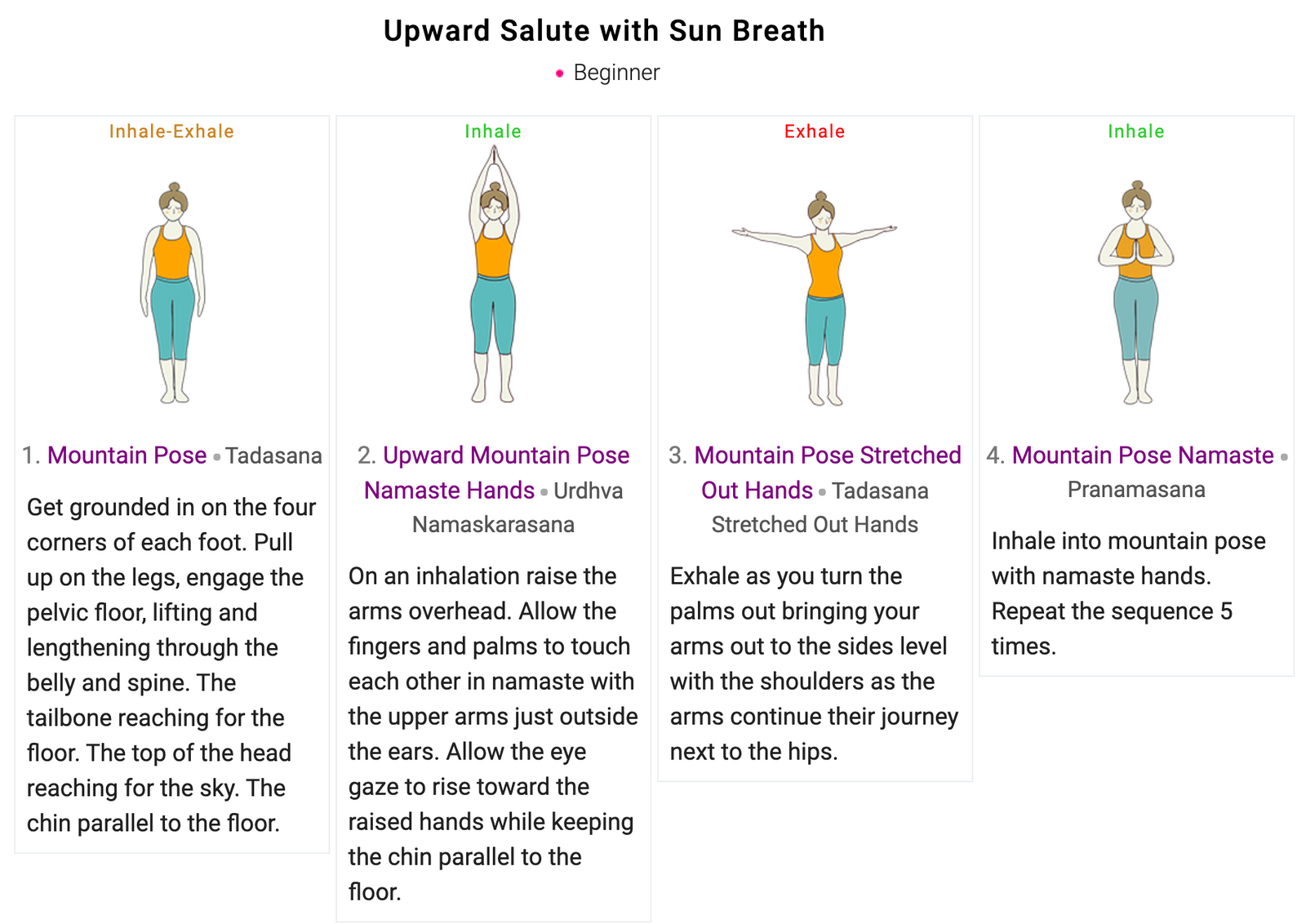
3. Inhale the Golden Light
As you take a deep, slow breath in through your nose, imagine a brilliant sphere of warm, golden sunlight shining just above your head. Visualize this radiant light flowing down through the crown of your head, filling your throat, chest, and entire upper body with warmth and brightness.
4. Expand and Retain
At the top of your inhale, pause briefly (for two to three seconds) and feel that golden energy expanding outward into your shoulders, arms, fingertips, torso, and legs. Imagine every cell in your body glowing with solar warmth.
Exhale slowly and completely through your mouth or nose, letting go of any fatigue, sluggishness, or tension in the form of a gray or heavy mist leaving your body.
5. Repeat the Cycle
Continue this cycle for 5 to 10 minutes. Maintain a steady, smooth rhythm without forcing your breath. If your mind wanders, gently guide your focus back to the sensation of warm light moving through your body.
Benefits of Incorporating Sun Breathing Into Your Routine
Adding this practice to your daily schedule yields several tangible benefits:
- Natural Energy Boost: It provides a quick burst of vitality that rivals caffeine without causing jitters or afternoon crashes.
- Enhanced Mood: Visualizing light and warmth triggers positive psychological responses, helping to combat seasonal sluggishness or low mood.
- Improved Mental Clarity: Increased oxygen delivery clears brain fog, making it an ideal exercise before tackling demanding work or creative projects.
- Mind-Body Connection: It grounds you in your physical vessel, increasing body awareness and mindfulness.
Tips for Beginners
To get the most out of your sun breathing practice, keep these practical guidelines in mind:
- Time it right: Morning is the ideal time for sun breathing because it aligns with nature's sunrise and helps cue your brain for wakefulness. Avoid it right before bed.
- Don't force it: If deep breathing causes dizziness or lightheadedness, return to your normal breathing rhythm immediately. Breathwork should feel expansive, not suffocating.
- Combine with natural light: If possible, practice near an open window or step outside for a few minutes to let actual sunlight hit your face while you breathe.
Conclusion
Sun breathing is a powerful, accessible tool for anyone looking to revitalize their energy levels naturally. By combining the physiological benefits of deep diaphragmatic breathing with the psychological uplift of solar visualization, you can reset your focus, shake off fatigue, and step into your day with renewed vigor. Give it a try tomorrow morning and experience the solar charge for yourself.