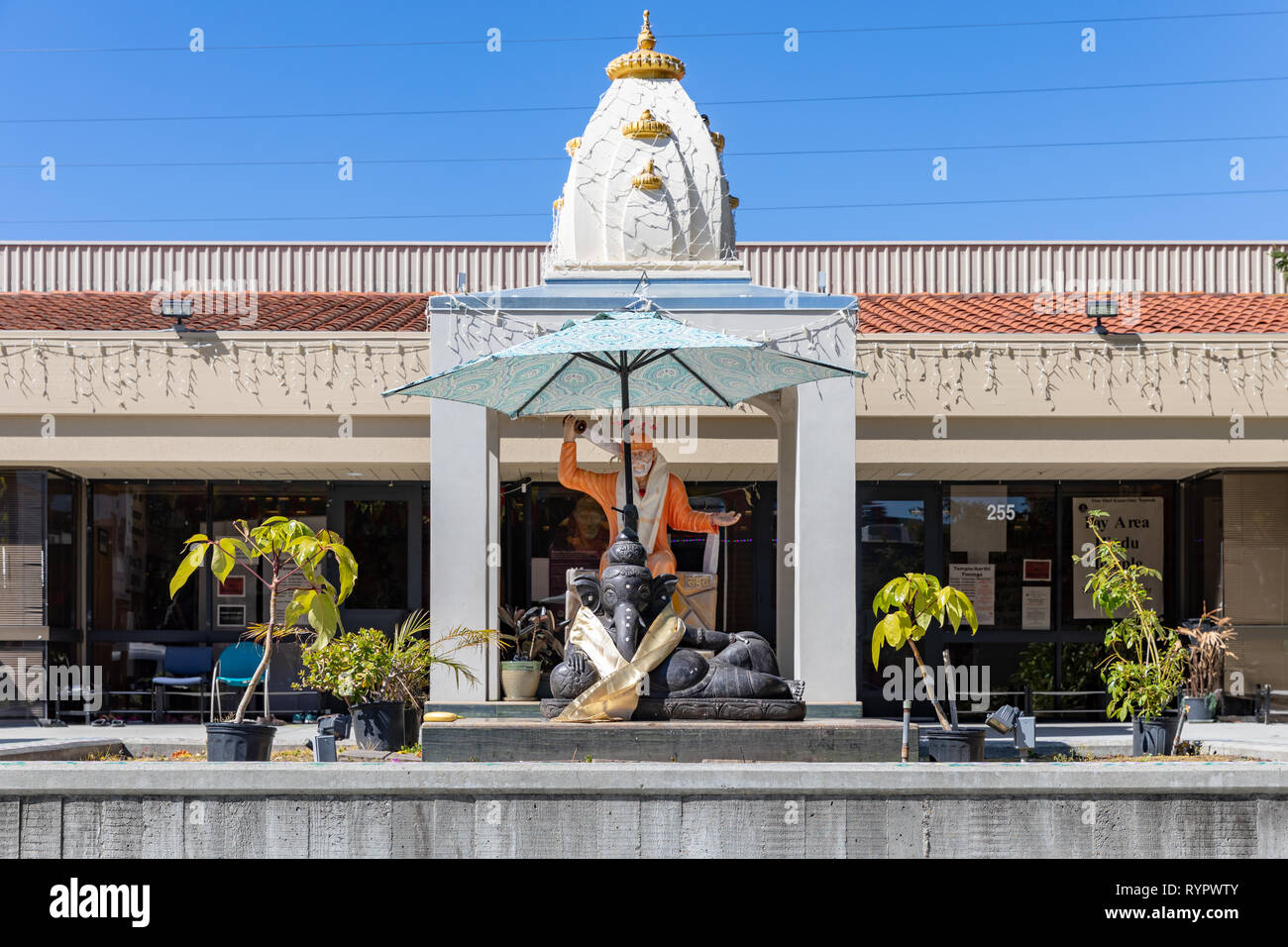
Sunnyvale's Hindu Temple: A Symbol of Faith
In the heart of Silicon Valley, amidst the headquarters of global tech giants and bustling residential neighborhoods, stands a sanctuary of peace, devotion, and tradition. Established in the early 1990s, the Sunnyvale Hindu Temple & Community Center has long served as a spiritual haven, making Sunnyvale's Hindu Temple a symbol of faith, heritage, and unity for the thriving South Bay Indian-American diaspora.

Whether you are a longtime devotee seeking weekly darshan, a newcomer looking to connect with cultural roots, or a visitor eager to explore Hindu traditions, this temple offers a welcoming environment where devotion and community life intersect.
The Origins and Evolution of the Temple
During the rapid technological boom of the late 20th century, thousands of engineers, scientists, and professionals relocated from India to Northern California. As families settled across Santa Clara County, the need for a shared spiritual and cultural anchor became evident.
In 1992, a group of dedicated community leaders came together to establish a non-sectarian place of worship. By 1993, the Sunnyvale Hindu Temple opened its doors on Persian Drive. Unlike temples dedicated strictly to a single deity or sectarian lineage, this institution was consciously designed to accommodate the diverse practices within Hinduism, welcoming devotees from all linguistic, regional, and philosophical backgrounds.
Sunnyvale's Hindu Temple: A Symbol of Faith and Heritage
Over the decades, the temple has grown far beyond a physical hall of prayer. It embodies the resilience of ancient customs thriving within one of the world's most modern landscapes. For immigrant families, the temple represents an enduring bridge between their ancestral traditions and life in the United States.
Children learn foundational values of dharma (righteousness), seva (selfless service), and ahimsa (non-violence) through active participation. For senior citizens, many of whom joined their adult children in California later in life, the temple grounds provide a comforting social sanctuary where familiar languages, shared memories, and traditional rituals offer a profound sense of belonging.
Deities and Sacred Sanctums
The main prayer hall is designed to honor an expansive pantheon of Hindu deities, reflecting the inclusive ethos of the institution. Each sanctum (garbhagriha) is carefully maintained by trained temple priests who perform daily rituals according to Vedic traditions.
- Lord Ganesha: The remover of obstacles, customarily worshipped before beginning any new venture, ritual, or life transition.
- Lord Shiva and Goddess Parvati: Representing cosmic consciousness and spiritual energy, accompanied by the sacred Shiva Lingam where devotees perform abhishekam.
- Lord Venkateshwara (Balaji): A revered manifestation of Vishnu, drawing large gatherings of devotees particularly on Saturdays.
- Goddess Durga and Lakshmi: Divine embodiments of courage, protection, prosperity, and spiritual grace.
- Lord Rama, Sita, Lakshmana, and Hanuman: Revered for their representation of devotion, duty, and righteous conduct.
- Navagraha Shrine: Dedicated to the nine celestial bodies that influence human destiny according to Vedic astrology.
- Jain Tirthankara Shrine: Demonstrating the temple's broad inclusive spirit, housing sacred representations honoring the Jain tradition.
Community Services and Cultural Education
The organization’s mission emphasizes education, charity, and social enrichment alongside religious worship. The adjacent community center hosts an array of non-religious and cultural programs year-round:
1. Language and Heritage Classes
To help young generations retain linguistic ties, weekend classes are regularly organized in languages such as Hindi, Sanskrit, Tamil, and Telugu. Alongside language studies, children learn classical mythology, philosophy, and practical ethics.
2. Performing Arts
The temple auditorium provides a stage for students and renowned visiting artists alike. Training and recitals in classical Indian dance forms like Bharatanatyam and Kathak, as well as Carnatic and Hindustani vocal and instrumental music, take place throughout the year.
3. Wellness and Seva Programs
Regular yoga and meditation workshops are held to support mental and physical health. The temple also organizes periodic free health fairs, blood donation drives, food collection drives for local Bay Area shelters, and emergency relief efforts during global crises.
Festivals Celebrated at the Temple
Throughout the Hindu liturgical calendar, the temple transforms into a center of joyous celebrations. Thousands of visitors gather during major holy days, bringing music, vibrant attire, and deep reverence to the facility:
- Maha Shivaratri: A night-long vigil dedicated to Lord Shiva, characterized by continuous chanting, meditation, and four cycles of sacred abhishekam ceremonies.
- Navratri and Dussehra: Nine nights of devotion honoring the Divine Mother, featuring traditional Garba and Dandiya folk dancing alongside elaborate doll displays (Golu).
- Diwali (The Festival of Lights): The temple shines with hundreds of oil lamps (diyas), special Lakshmi pujas, and festive gatherings celebrating the victory of light over darkness.
- Krishna Janmashtami: The celebration of Lord Krishna's birth, featuring midnight aarti, devotional singing (bhajans), and cultural skits performed by local youth.
- Holi: The festival of colors, welcoming spring with vibrant community camaraderie and festive joy.
The Temple Kitchen and Annadanam
In Hindu philosophy, the sharing of food—known as annadanam—is considered one of the highest forms of charity. Sunnyvale Hindu Temple features an active commercial kitchen serving pure, freshly prepared vegetarian food.
Devotees and visitors can enjoy traditional South and North Indian meals, including dosas, idlis, sambar, samosas, and warm rotis, especially on weekends and festival days. The food is offered at modest, community-friendly prices, with proceeds reinvested directly into temple operations and charitable outreach.
Visitor Guidelines and Etiquette
The temple welcomes visitors of all faiths and backgrounds. If you are planning your first visit, keep these standard protocols in mind:
- Dress Code: Modest, respectful clothing is appreciated. Shoulders and knees should be covered. Traditional Indian clothing or modest Western casual attire is perfectly suitable.
- Footwear: All shoes, sandals, and boots must be removed before entering the carpeted temple hall. Secure shoe racks are provided near the primary entrance.
- Photography: Personal photography is generally permitted in common community areas, but taking direct close-up photos or videos of the deities inside the main sanctums during rituals is restricted.
- Silence and Respect: Keep mobile devices on silent mode inside the sanctum area. Devotees often sit quietly on the floor to meditate or pray.
Practical Information for Visitors
The temple is conveniently located near major Silicon Valley transit corridors, accessible via Highway 101 and Highway 237.
- Address: 450 Persian Drive, Sunnyvale, CA 94089
- General Hours: Open daily, typically with morning sessions (around 9:00 AM to 1:00 PM) and evening sessions (around 5:00 PM to 9:00 PM), with continuous daytime hours on weekends and major holidays.
- Parking: An on-site parking lot is available. During major festivals like Diwali and Shivaratri, designated off-site overflow parking with shuttle access is frequently arranged.
A Lasting Pillar of Community
Sunnyvale's Hindu Temple remains a beacon of spiritual balance in an area characterized by rapid change and technological ambition. By anchoring time-tested traditions, encouraging service, and welcoming all seekers, it continues to nourish both the individual spirit and the broader community it proudly serves.