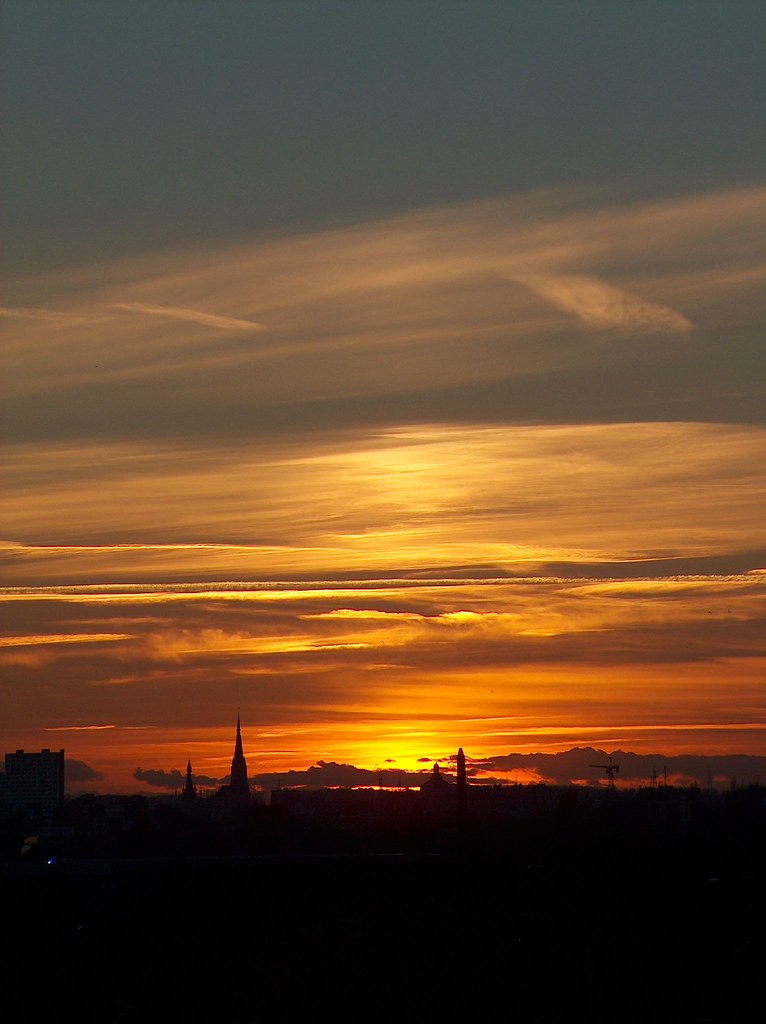
Sunset November 19: Times, Twilight & Guide
Whether you are scheduling outdoor portraits, planning an evening commute, or simply tracking the shifting seasons, knowing the exact time of the sunset November 19 brings can make a significant difference in your day. By mid-to-late November, daylight patterns across the globe are changing rapidly as the Earth approaches the December solstice.

In the Northern Hemisphere, November 19 falls during a period of steep daylight loss, resulting in brisk, noticeably early twilights. Conversely, in the Southern Hemisphere, late spring is well underway, pushing evening dusk much later into the night. Here is everything you need to know about sunset times, twilight stages, and how to make the most of the evening light on November 19.
Why the Sunset November 19 Arrives So Early in the North
The time the sun dips below the horizon on November 19 is governed by the Earth’s axial tilt of roughly 23.5 degrees. By this date, the Northern Hemisphere is tilted significantly away from the Sun, while the Southern Hemisphere leans toward it.
Around November 19, solar declination drops to approximately -19.5 degrees. This southern solar position creates two distinct phenomena:
- Steeper daylight loss in northern latitudes: The further north you travel from the equator, the shorter your daylight span and the earlier your sunset.
- The Equation of Time effect: While the winter solstice (around December 21) marks the shortest overall day of the year in the Northern Hemisphere, the earliest sunset of the year actually occurs earlier—often in late November or early December for mid-latitudes—due to discrepancies between solar time and standard clock time.
Estimated Sunset Times on November 19 Around the World
Sunset times vary according to both latitude and an area’s specific position within its time zone. Locations sitting on the eastern edge of a time zone experience earlier clock-time sunsets than locations on the western edge.
Major Northern Hemisphere Cities
In mid-to-high northern latitudes, sunset routinely occurs in the mid-afternoon or late afternoon on November 19:
- Anchorage, Alaska: ~3:52 PM AKST
- London, United Kingdom: ~4:05 PM GMT
- Chicago, Illinois: ~4:28 PM CST
- New York, New York: ~4:38 PM EST
- Tokyo, Japan: ~4:33 PM JST
- Los Angeles, California: ~4:48 PM PST
- Miami, Florida: ~5:32 PM EST
Major Southern Hemisphere Cities
South of the equator, longer daylight hours push sunset toward the late evening:
- Cape Town, South Africa: ~7:37 PM SAST
- Sydney, Australia: ~7:41 PM AEDT
- Buenos Aires, Argentina: ~7:46 PM ART
- Auckland, New Zealand: ~8:13 PM NZDT
Understanding Twilight Phases on November 19

Sunset officially occurs the precise second the upper limb of the solar disk sinks below the ideal horizon. However, usable light remains visible well afterward thanks to atmospheric scattering. This transitional period is divided into three distinct twilight phases:
- Civil Twilight (Sun 0° to 6° below the horizon): Lasting roughly 25 to 35 minutes after sunset at mid-latitudes, this is when outdoor activities can generally proceed without artificial lighting. The brightest stars and planets, such as Venus or Jupiter, begin to emerge.
- Nautical Twilight (Sun 6° to 12° below the horizon): The horizon remains vaguely visible against the sea or open landscape, making it historically significant for marine navigation. Artificial street lamps and headlights become fully necessary.
- Astronomical Twilight (Sun 12° to 18° below the horizon): The sky fades to complete darkness. Once astronomical twilight concludes, faint celestial objects, nebulae, and distant galaxies can be studied without solar interference.
Planning for Golden Hour on November 19
Photographers value the mid-November sun because its lower transit angle produces softer, warmer light throughout the entire afternoon, not just during the hour directly before sundown.
Color Temperature and Atmospheric Crispness
In cooler temperate zones, November air tends to have lower humidity than summer air. With fewer water droplets and particulate haze scattering the light, golden hour delivers rich, high-contrast amber and crimson tones. On November 19, aim to be at your shooting location at least 45 minutes prior to local sunset to capture the prime directional glow.
Rapid Light Falloff
Because the sun descends at an angle that steepens the further you are from the equator, light drops precipitously once the solar disk touches the horizon. If you are shooting portraits or landscapes, keep your wide-aperture lenses accessible or mount your camera to a tripod ahead of time to handle falling shutter speeds.
Practical Tips for Commuters and Outdoor Enthusiasts
A late-afternoon sunset requires several seasonal adjustments, especially if your routine involves commuting or spending time on trails:
- Prepare for the Temperature Plunge: The moment the sun sets in late autumn, ground temperatures drop rapidly. If you are hiking, running, or cycling, carry moisture-wicking layers and a windproof shell to stay warm.
- Visibility on the Road: For standard 9-to-5 workers in northern regions, the November 19 commute takes place in deep twilight or pitch darkness. Check that vehicle headlights and bicycle lamps are functioning and clean, as autumn road glare and early darkness elevate accident rates.
- Wildlife Activity: Animals such as deer are crepuscular, meaning they are most active during civil twilight. Early evening drivers through suburban or rural areas should exercise extra caution around the 4:30 PM to 6:00 PM window.
How to Find Your Exact Local Sunset Time
Because local topography alters visibility, the practical sunset you witness can deviate from theoretical astronomical calculations. A tall western ridge, dense tree canopy, or urban skyscraper cluster can block the sun 15 to 30 minutes earlier than official tables suggest.
To verify the exact timing for your specific location on November 19, consult local meteorological services, use astronomical algorithms like those provided by the NOAA Global Monitoring Laboratory, or check GPS-enabled stargazing apps. Entering your precise geographic coordinates guarantees you catch every minute of daylight before the evening settles in.