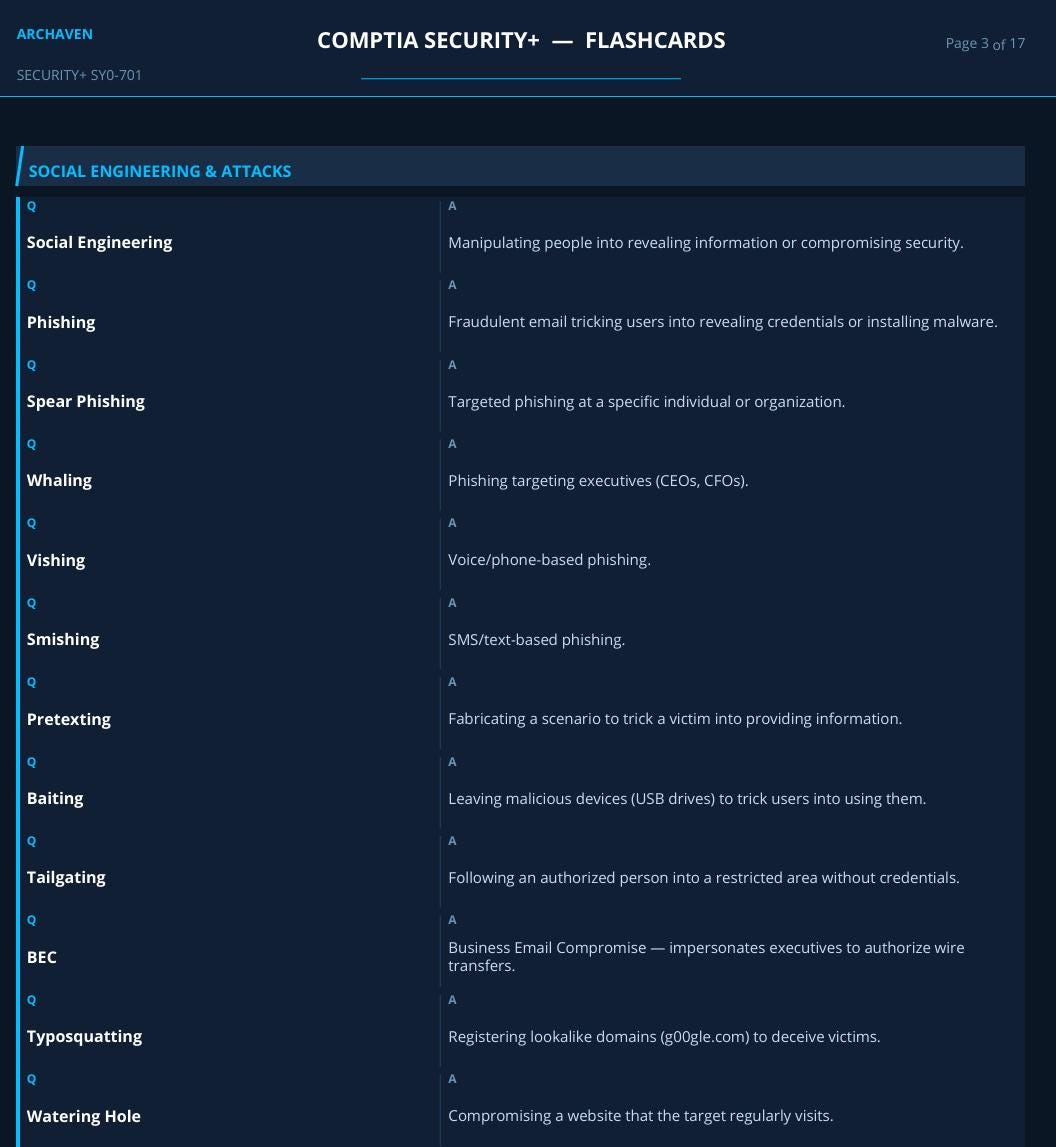
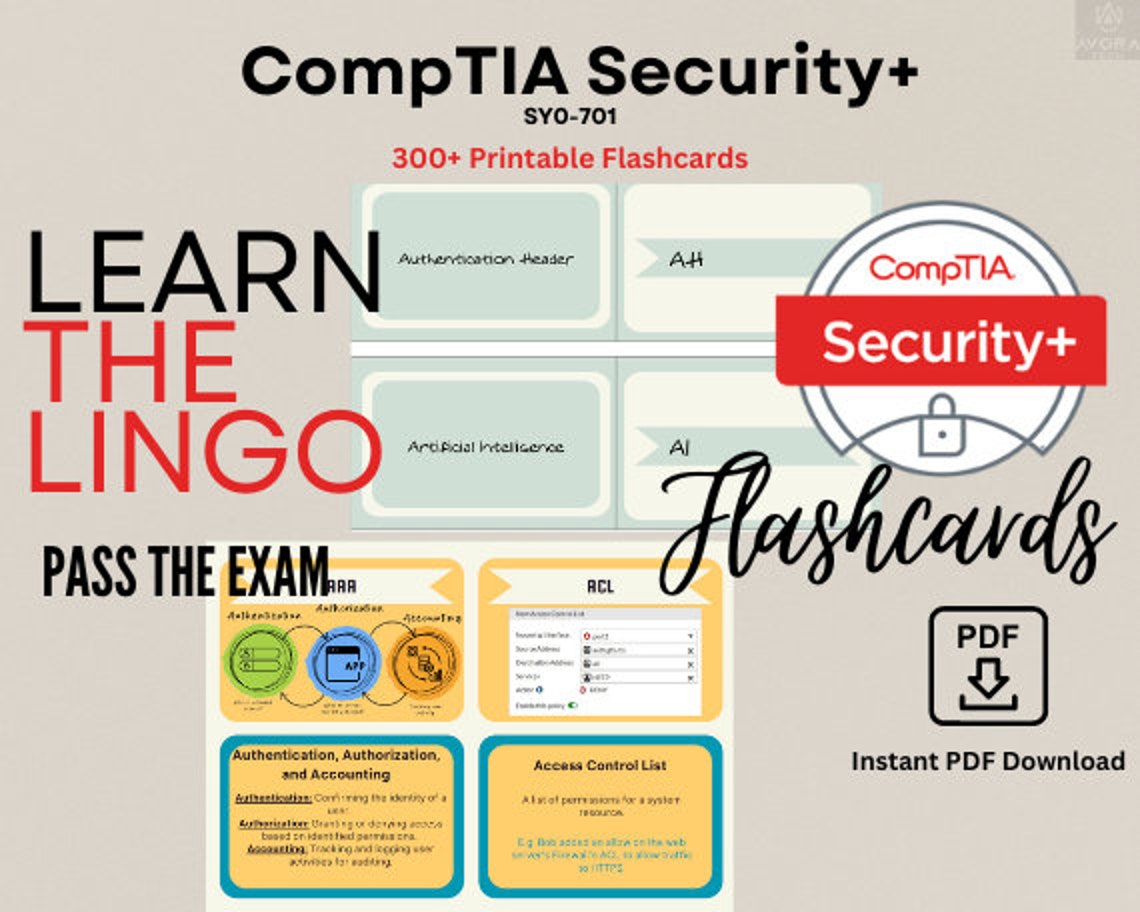
SY0-701 Acronym Flashcards: Master CompTIA Security+
Passing the CompTIA Security+ exam requires mastering a massive dictionary of industry terminology. Whether you are studying risk management, cryptography, or security operations, the exam tests your fluency in modern IT security language. Using SY0-701 acronym flashcards is one of the most effective ways to bridge the gap between passive reading and active recall.

This guide explores the most critical acronyms you need to know for the latest CompTIA exam, explains how to build your own study aids, and shares proven techniques to ensure the terminology sticks in your long-term memory.
Why Acronyms Dominate the SY0-701 Exam
CompTIA is notorious for throwing alphabet soup at test-takers. Questions and answers are packed with shortened terms like SIEM, SOAR, IAM, and PKI. If you do not instantly recognize what these letters stand for and what function the technology serves, you will struggle to parse scenario-based questions.
Furthermore, the SY0-701 exam shifts focus slightly toward governance, risk, and compliance (GRC) alongside hands-on technical operations. This means you must memorize a brand-new set of administrative and legal acronyms in addition to traditional network security terms.
Essential SY0-701 Acronym Categories
To organize your study sessions, group your flashcards by security domains. Here are the core categories you must cover:
1. Governance, Risk, and Compliance (GRC)
Security is not just about firewalls and antivirus software; it is about policies, regulations, and risk frameworks. Expect to see these compliance-heavy terms on test day:
- BIA: Business Impact Analysis
- DLP: Data Loss Prevention
- GDPR: General Data Protection Regulation
- ISA: Interconnection Security Agreement
- MOU: Memorandum of Understanding
- PCI-DSS: Payment Card Industry Data Security Standard
- RTO / RPO: Recovery Time Objective / Recovery Point Objective
2. Security Operations and Architecture
These terms represent the daily tools, logs, and defensive layers used to monitor and protect enterprise networks against sophisticated threats:
- EDR / XDR: Endpoint Detection and Response / Extended Detection and Response
- HIDS / NIDS: Host-based / Network-based Intrusion Detection System
- SIEM: Security Information and Event Management
- SOAR: Security Orchestration, Automation, and Response
- TPM: Trusted Platform Module
- UTM: Unified Threat Management
3. Identity and Access Management (IAM)
Controlling who gets access to what resources is a foundational pillar of the SY0-701 blueprint. Make sure these acronyms are locked into your memory:
Video: CompTIA Security+ (SY0-701) Acronyms: ALL 200+ Explained! (Extended Deep Dive) | Acronym Academy

- ABAC / RBAC: Attribute-Based / Role-Based Access Control
- IAM: Identity and Access Management
- IdP: Identity Provider
- MFA: Multi-Factor Authentication
- SSO: Single Sign-On
4. Cryptography and Public Key Infrastructure
Encryption secures data at rest and in transit. You need to know the algorithms, protocols, and foundational elements of PKI:
- CA / RA: Certificate Authority / Registration Authority
- CRL: Certificate Revocation List
- CSR: Certificate Signing Request
- HMAC: Keyed-Hash Message Authentication Code
- PFS: Perfect Forward Secrecy
How to Create Effective SY0-701 Acronym Flashcards
Whether you prefer physical index cards or digital apps like Anki, Quizlet, or RemNote, how you design your flashcards matters immensely.
Keep It Atomic
Do not crowd a single card with multiple definitions. Each flashcard should test one specific piece of information. For example, instead of asking you to list all five steps of incident response on one card, create a separate card for each phase (Preparation, Detection and Analysis, Containment, Eradication and Recovery, Lessons Learned).
Include Context, Not Just Definitions
Knowing that HSM stands for Hardware Security Module is helpful, but the SY0-701 exam will test your application of it. On the back of your flashcard, include a brief real-world context clue:
- Front: HSM
- Back: Hardware Security Module. Dedicated physical device used to securely manage, store, and process digital cryptographic keys. Used heavily in PKI environments.
Best Digital Flashcard Tools for CompTIA Prep
If you want to study on the go during your commute or lunch break, consider these popular platforms:
- Anki: Uses a powerful spaced repetition system (SRS) algorithm. It shows you cards right before you are likely to forget them, maximizing your study efficiency.
- Quizlet: Great for pre-made decks created by other cybersecurity students, though you should double-check accuracy against official CompTIA study guides.
- RemNote: Excellent for linking concepts together, allowing you to connect acronyms directly to broader security domains and study notes.
Smart Study Habits for Exam Success
Memorizing acronyms is only half the battle. To ensure you pass the SY0-701 exam on your first attempt, integrate your flashcard routine into a broader study plan.
Spend 15 to 20 minutes every morning reviewing your weakest cards. Pair your flashcard sessions with full-length practice exams to see how these acronyms appear in complex, multi-step troubleshooting scenarios. By combining active recall with hands-on practice, you will walk into the testing center with the confidence needed to pass.