Synthes RFNA Inventory: Complete Guide
Understanding Synthes RFNA Inventory Management

Managing orthopedic trauma sets efficiently requires a deep understanding of implant variations, specialized instrumentation, and meticulous tracking protocols. The Synthes Retrograde Femoral Nail (RFNA) system is widely used for distal femoral fractures, supracondylar fractures, and complex revisions. Maintaining an accurate Synthes RFNA inventory is critical for surgical success, reducing OR turnover times, and controlling hospital supply chain costs.
Whether you are an OR nurse, a sterile processing technician, or a surgical device representative, knowing the exact layout of the RFNA tray configurations ensures seamless intraoperative execution. This guide breaks down the essential components, modular trays, and inventory control strategies required to maintain a reliable RFNA set.
Core Components of the RFNA System
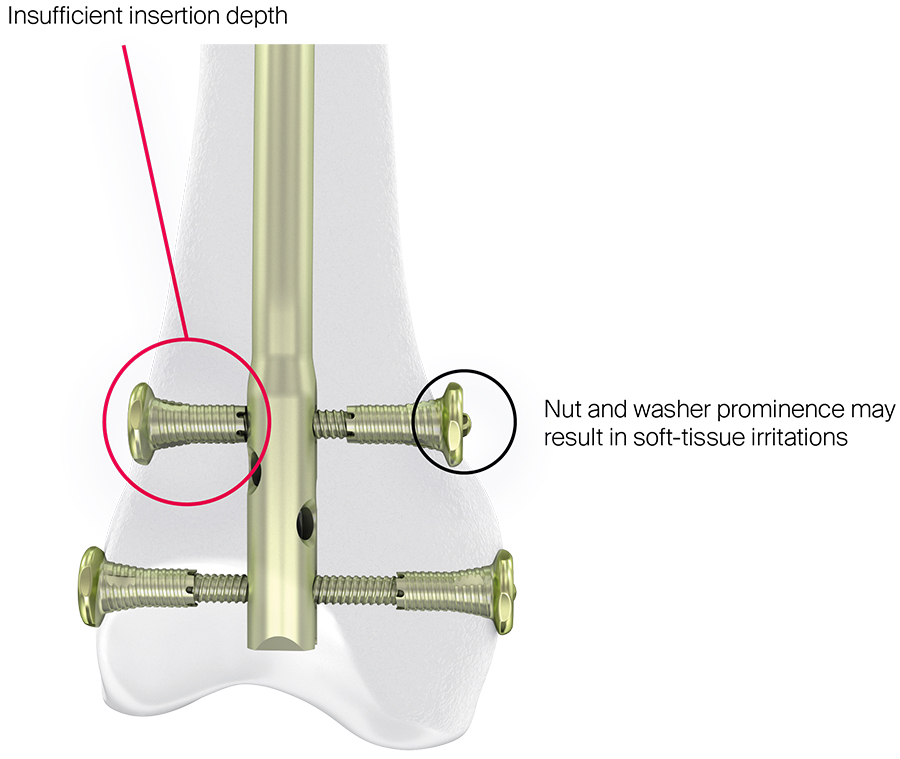
The Synthes RFNA system features implants designed to match the anatomical curvature of the distal femur while providing stable fixation. To maintain proper inventory levels, staff must distinguish between the implant inventory (nails and screws) and the reusable instrumentation trays.
Implant Inventory Requirements
Implants are single-use sterile items that must be restocked immediately following each procedure based on usage logs. A standard inventory par level typically includes:
- Retrograde Femoral Nails: Various lengths (typically ranging from 150mm to 400mm) and diameters (ranging from 9mm to 13mm) to accommodate different patient anatomies.
- Locking Screws: Both cortex and locking screws in various lengths for proximal and distal fixation.
- End Caps: Available in standard and extended options to prevent bone ingrowth and facilitate later removal if necessary.
Instrument Trays and Modules
Unlike single-use implants, the instrumentation is reusable and must be thoroughly cleaned, sterilized, and inspected after every case. The setup generally spans multiple modular cases:
- Basic Instrument Tray: Contains handles, screwdrivers, tissue protection sleeves, and basic reduction tools.
- Reaming and Insertion Tray: Features flexible reamers, reamer heads, the insertion handle, and the connecting screw.
- Targeting Device Module: Essential for accurate, freehand, or mechanically guided distal locking screw placement.
Best Practices for Tray Verification and Auditing
Missing instruments during a retrograde femoral nailing procedure can lead to frustrating surgical delays. Implementing a standardized auditing workflow prevents these issues.
Video: RFNA video 3R
Pre-Op and Post-Op Checklists

Sterile Processing Department (SPD) technicians should use laminated visual grid checklists for every RFNA tray. Every slot should be accounted for, including specialized drill bits, guide wires, and wrenches. After surgery, the scrub tech and the circulating nurse must reconcile used implants against the hospital's electronic health record (EHR) or inventory management software to ensure prompt reordering.
Handling Consignment vs. Hospital-Owned Stock
Many hospitals rely on vendor-consigned inventory for specialized trauma systems like the RFNA. Managing consigned inventory requires clear communication protocols between the hospital materials management team and the orthopedic device representative. Ensure that expired sterile packaging is rotated regularly and that replacement implants arrive within 24 to 48 hours of a case.
Troubleshooting Common Inventory Challenges
Even with strict oversight, surgical inventory management presents ongoing hurdles. Addressing these proactively protects patient safety and hospital efficiency.
Wear and Tear on Precision Instruments
Instruments such as hex-drive screwdrivers and distal targeting arms experience high mechanical stress. Worn tips can strip screw heads or cause misalignment during targeting. Establish a routine maintenance schedule with the manufacturer or repair vendor to inspect and replace dulled or bent instruments annually.
Minimizing Set Weight and Reducing Clutter
Surgeons often prefer streamlined trays that reduce unnecessary components, which in turn shortens sterilization cycles and lightens the load for SPD staff. Work closely with your surgical team to evaluate rarely used instruments that can be removed from the primary RFNA pans and placed in supplemental or 'on-request' peel-packs.
Conclusion
A well-maintained Synthes RFNA inventory directly impacts operating room efficiency and patient outcomes. By standardizing tray audits, understanding implant sizing requirements, and fostering strong communication with device vendors, healthcare facilities can ensure their surgical teams are always prepared for complex distal femoral trauma cases.