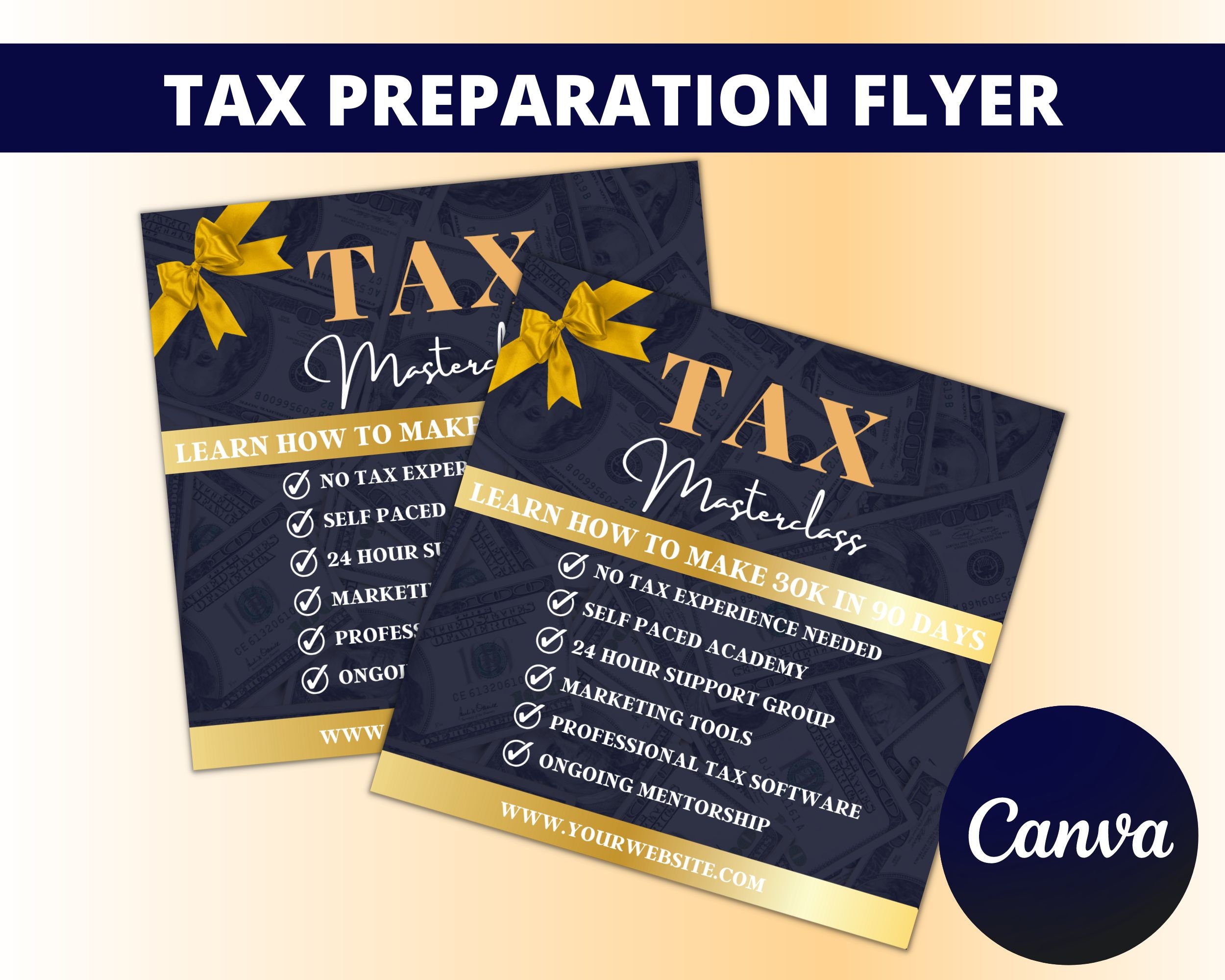
Tax Flyer Compliance: What You Aren't Being Told
When tax season rolls around, mailboxes, community bulletin boards, and social media feeds flood with vibrant advertisements. These promotional pieces promise fast refunds, maximum deductions, and rock-bottom prices. Yet, beneath the bold claims and enticing offers lies a quieter reality: what your tax preparation flyer isn't telling you about compliance.
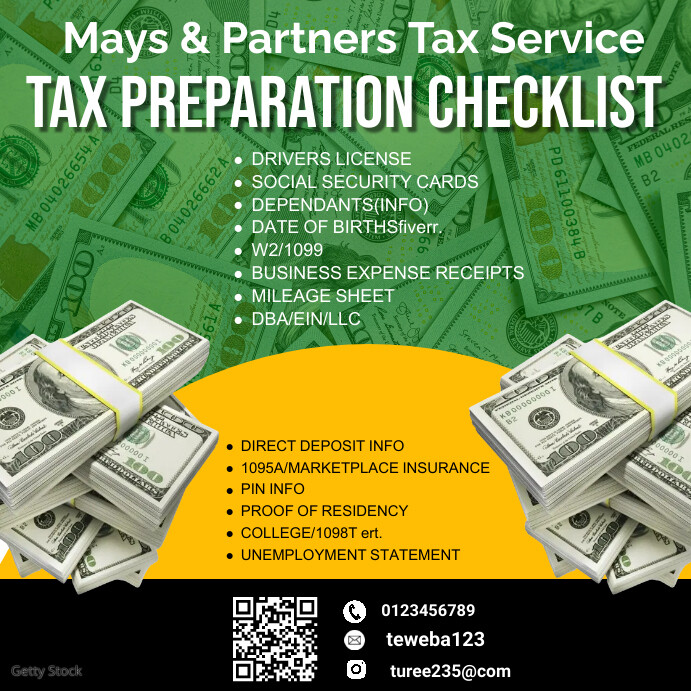
Marketing materials are designed to sell a service, not to provide a legal disclaimer. While a flyer might highlight a speedy turnaround or a lucrative child tax credit, it rarely mentions the stringent documentation rules, preparer penalties, and personal liability you shoulder as a taxpayer. Understanding the gaps in these advertisements is your first line of defense against costly mistakes and unwanted scrutiny from the IRS.
The Fine Print Gap: Unrealistic Guarantees
One of the most common pitfalls of promotional tax materials is the implied guarantee of a specific refund amount. Ethical, certified tax professionals know that every financial situation is unique. They cannot—and legally should not—promise a specific outcome before reviewing your W-2s, 1099s, and expense receipts.
Flyers that boast phrases like "Maximum Refund Guaranteed" or "Get $5,000 Back Instantly" often rely on aggressive, non-compliant interpretations of tax code. When an auditor looks closely at these returns, aggressive deductions that lack substantiation are usually the first to get thrown out.
The Danger of "Results-Oriented" Marketing
Unscrupulous preparers sometimes work backward from a desired refund amount rather than forward from the actual financial data. This practice, known as circular pricing or fraudulent filing, shifts the ultimate legal liability directly onto you. Even if a third-party preparer typed the numbers into the software, you are the one who signs the return under penalty of perjury.
Qualifications and Credentials
Another major omission on many promotional flyers is the actual credentialing of the staff handling your sensitive financial data. Anyone can hand out a flyer, but not everyone is legally qualified to represent you before the Internal Revenue Service.
Look closely at a tax flyer. Does it feature designations like CPA (Certified Public Accountant), EA (Enrolled Agent), or Attorney? Or does it use vague terms like "Tax Professional," "Refund Specialist," or "Expert Filer"?
- CPA: Licensed by state boards of accounting, bound by strict ethical codes, and legally permitted to represent clients in any tax matter.
- Enrolled Agent (EA): Federally authorized by the U.S. Treasury to represent taxpayers before the IRS.
- Uncredentialed Preparers: Individuals who may hold a valid PTIN (Preparer Tax Identification Number) but lack testing requirements, ongoing education mandates, or unlimited representation rights.
If your preparer is uncredentialed and an audit occurs, they may not have the legal authority to advocate for you during an IRS examination.
Video: IRS Targeting Preparers — How Data Analytics Exposes Questionable Tax Return Compliance Clusters

Hidden Fees and Upcharges
Compliance isn't just about tax laws; it is also about transparent pricing practices. Flyers often advertise a low flat rate—such as "$49 Federal Tax Return"—to get you through the door. However, compliance-heavy returns rarely fit into basic packages.
Once you are seated at the desk, you may discover that itemized deductions, small business schedules (Schedule C), state filings, and local taxes all incur steep additional fees. Furthermore, some high-volume preparers push Refund Anticipation Checks (RACs) or costly financial products that eat away at your actual refund through hidden administrative fees and high interest rates.
Due Diligence and Your Personal Liability
The IRS requires all paid tax preparers to exercise "due diligence" when determining eligibility for major tax credits, such as the Earned Income Tax Credit (EITC), Child Tax Credit (CTC), and American Opportunity Tax Credit (AOTC). This involves asking probing questions and requesting specific proof of residency, income, and relationship status.
If a tax flyer promises a lightning-fast, five-minute filing process, it is physically impossible for the preparer to meet proper due diligence standards. Skipping these verification steps might save time today, but it invites severe compliance failures tomorrow.
The Burden of Proof Remains Yours
Remember the golden rule of the U.S. tax system: the burden of proof rests entirely on the taxpayer. If the IRS flags your return because of a disallowed deduction or an inflated credit originating from a rushed preparation session, you will be responsible for:
- Repaying the incorrect refund amount in full.
- Paying statutory interest compounded daily from the original filing deadline.
- Facing accuracy-related penalties, which often start at 20% of the underpaid tax.
How to Protect Yourself This Tax Season
Do not let flashy marketing override your financial safety. When evaluating a tax preparation service, use these practical steps to ensure true compliance and peace of mind:
- Verify Credentials Independently: Check the IRS Directory of Federal Tax Return Preparers with Credentials and Select Qualifications to confirm the status of your chosen professional.
- Demand Transparency: Ask for a complete, written fee schedule before handing over your financial documents.
- Read Before You Sign: Never sign a blank or partially completed tax return. Review every line item to ensure accuracy.
- Keep Your Records: Maintain organized digital or physical copies of all receipts, W-2s, and supporting documents for at least three to seven years.
Ultimately, the best tax preparation services don't rely on flashy marketing tricks. They rely on accuracy, legal compliance, and a commitment to protecting your financial future long after tax season ends.