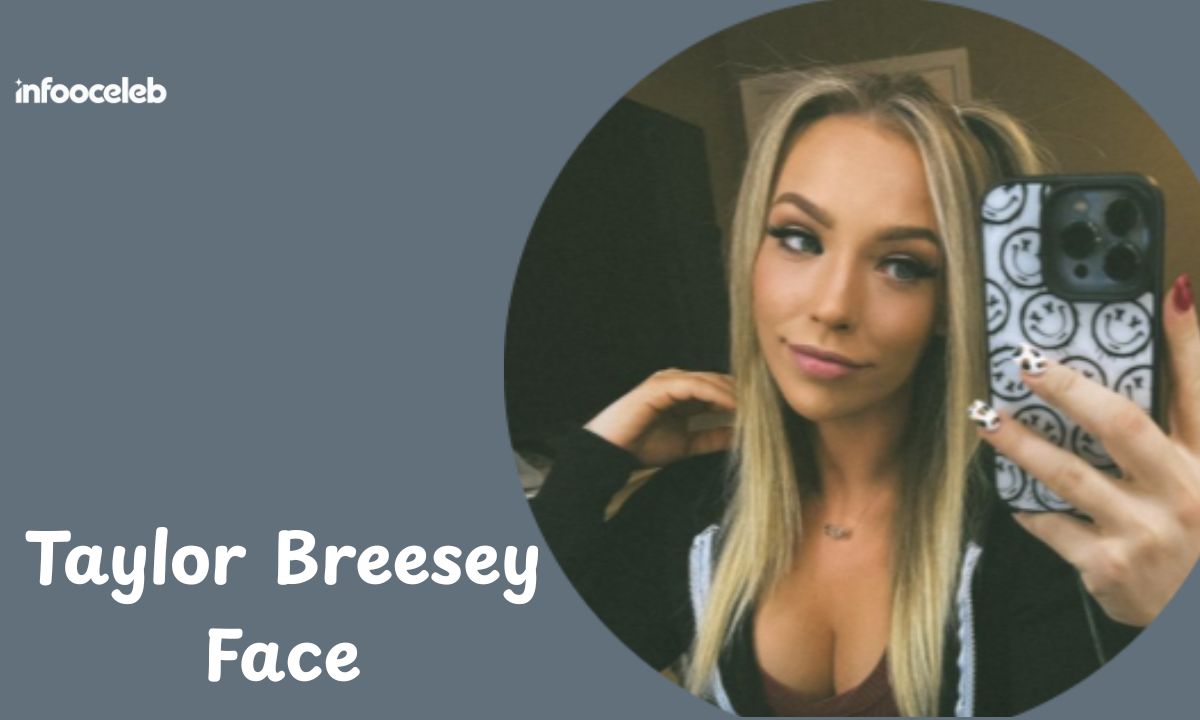
Taylor Breesey's Naked Post Story Explained
Understanding the Controversy

In the digital age, the phrase "what happens online stays online" has evolved from a casual warning into an inescapable reality. Recently, public attention has been heavily focused on the digital footprint of content creator Taylor Breesey. Specifically, internet users have been searching for answers about why Taylor Breesey’s naked post isn’t going offline—read the full story to understand the mechanics of modern content distribution.
When sensitive or explicit media enters the digital ecosystem, removing it completely becomes nearly impossible. This case highlights a broader conversation about consent, platform algorithms, mirror sites, and the sheer impossibility of erasing data once it reaches a critical mass of public interest.
The Mechanics of Digital Permanence
To understand why certain media persists online despite attempts at removal, we have to look at how the modern internet functions. Unlike traditional print media, digital files can be duplicated infinitely with zero degradation in quality. Once an image or video is published, a chain reaction begins.
How Media Spreads Across the Web
- Direct Downloads: Users save files locally to their personal devices within seconds of publication.
- Mirror Sites: Automated scrapers copy content from mainstream platforms to secondary and tertiary archive websites designed to evade copyright or removal requests.
- Social Media Sharing: Platforms like X (formerly Twitter), Reddit, and Telegram act as rapid-fire distribution networks where links and media files are reposted by anonymous accounts.
These technological realities mean that even if a creator successfully removes content from their primary platform, dozens of unauthorized copies already exist elsewhere.
Why Taylor Breesey’s Naked Post Isn’t Going Offline—Read the Full Story
The situation surrounding Taylor Breesey involves more than just a simple upload and download cycle. It touches on issues of algorithmic amplification and public curiosity. When a piece of media involves a recognizable name or brand, search engines and social media algorithms naturally pick up on the sudden spike in traffic.
Video: Audio Book-Going Offline (Menemukan Jati Diri di Dunia Penuh Distraksi)-BAGIAN 1

As thousands of users search for the terms associated with the controversy, search engines index these queries, driving even more traffic to secondary discussion boards and news articles. This creates a feedback loop. The more people look for the content, the more profitable it becomes for unverified archive sites to host it, ensuring that the media remains accessible through alternative channels.
Platform Policies and Legal Limitations
Creators often rely on Digital Millennium Copyright Act (DMCA) takedown notices or platform-specific terms of service to remove unauthorized explicit content. However, these legal tools have significant limitations when applied globally.
- Jurisdictional Hurdles: Many mirror sites and hosting providers operate in countries with lax internet regulations, ignoring standard takedown requests from Western creators.
- Anonymity of Uploaders: Because the individuals reposting the content often use pseudonyms or encrypted channels, holding them legally or financially accountable is exceptionally difficult.
- Whack-a-Mole Effect: Filing a takedown notice against one website often results in the exact same content popping up on three new domains the following day.
The Psychological and Professional Impact on Creators
The persistence of leaked or controversial media takes a heavy toll on digital creators. Beyond the immediate violation of privacy, creators must manage the stress of knowing that unauthorized material will resurface periodically whenever their name trends.
For individuals building a brand in the creator economy, managing a digital crisis requires a strategic approach. Many now work with specialized reputation management firms that monitor the web for unauthorized uploads, though complete eradication remains a rare outcome.
Lessons in Modern Digital Hygiene
The ongoing discussion sparked by Taylor Breesey’s experience serves as a stark reminder for all internet users regarding digital safety and content management. Whether you are a public figure or a private individual, understanding how data travels is crucial.
Ultimately, the story behind why this media remains accessible is a testament to the architecture of the modern web. Until global internet regulations change or decentralized storage technologies evolve to prioritize automatic content expiration, digital permanence will remain one of the defining challenges of our time.