TCAT Nashville TN: Programs, Tuition & Admissions
Finding an affordable, fast-track path into a rewarding trade or technical career often leads prospective students straight to TCAT Nashville TN. As part of the Tennessee Board of Regents (TBR) system, the Tennessee College of Applied Technology in Nashville serves as Middle Tennessee’s premier public technical training institution. With hands-on coursework, direct industry partnerships, and programs designed to be completed in one to two years, TCAT Nashville provides a practical alternative to traditional four-year universities.

Top Programs Available at TCAT Nashville
TCAT Nashville focuses strictly on workforce development, tailoring its technical diplomas and certificates to meet the immediate hiring needs of Middle Tennessee employers. Training spans four primary fields: skilled trades, healthcare, computing, and service technologies.
1. Skilled Trades & Manufacturing
- Automotive Technology: Prepares students for ASE certification through in-depth diagnostics, mechanical repair, and modern vehicle maintenance.
- Heating, Ventilation, Air Conditioning, and Refrigeration (HVAC/R): Covers residential and commercial climate systems, EPA certification, and electrical troubleshooting.
- Welding Technology: Delivers hands-on instruction in SMAW (stick), GMAW (MIG), GTAW (TIG), and pipe welding based on American Welding Society (AWS) standards.
- Industrial Maintenance Technology: Teaches multi-craft skills including mechanical systems, hydraulics, pneumatics, and programmable logic controllers (PLCs).
- Building Construction Technology: Focuses on framing, roofing, interior finishing, concrete, and basic residential code requirements.
2. Healthcare Programs
- Practical Nursing (LPN): One of the most sought-after programs on campus, this 12-to-14-month track blends rigorous clinical rotations with classroom study to prepare graduates for the NCLEX-PN exam.
- Dental Assisting: Covers chairside assisting, dental radiography, infection control, and administrative dental office procedures.
- Surgical Technology: Prepares professionals to maintain sterile operating rooms and assist surgeons during complex procedures.
3. Information Technology & Digital Arts
- Computer Information Technology (CIT): Prepares students for certifications like CompTIA A+, Network+, Security+, and Cisco CCNA, setting up pathways into desktop support and network administration.
- Administrative Office Technology: Builds strong competencies in medical office procedures, accounting software, and professional business communications.
4. Personal & Consumer Services
- Cosmetology: Provides the 1,500 clock hours necessary to sit for the Tennessee State Board of Cosmetology license exam, covering hair design, skin care, and chemical processing.
Tuition Costs and How to Attend Tuition-Free
Public technical education in Tennessee is among the most affordable in the United States. TCAT charges tuition based on credit/clock hours rather than high per-semester university rates. For most programs, full-time base tuition and maintenance fees average roughly $1,300 to $1,500 per trimester, plus the cost of trade-specific tools, books, and uniforms.
However, many students attend without paying out-of-pocket tuition thanks to state-funded initiatives funded by the Tennessee Education Lottery:
- Tennessee Reconnect: Adults aged 23 and older (or independent students) without a prior college degree can attend TCAT tuition-free.
- Tennessee Promise: High school seniors graduating from Tennessee schools can attend tuition-free for up to two years.
- Wilder-Naifeh Technical Skills Grant: Offers up to $2,000 per academic year for eligible Tennessee residents pursuing certificate or diploma programs, regardless of high school GPA.
- Federal Pell Grant: Need-based federal aid that does not require repayment and can help cover materials, tools, and living expenses.
Why Choose TCAT Nashville TN for Technical Training?
Choosing a trade institution comes down to speed, cost, and employment outcomes. TCAT Nashville consistently maintains high job-placement rates across its catalog for several reasons:
- Competency-Based Learning: Classes operate on clock hours rather than theoretical seminars. You spend the majority of your time in labs, bays, and clinics running realistic diagnostic drills.
- Accreditation: TCAT Nashville is accredited by the Council on Occupational Education (COE), ensuring that curricula adhere to strict educational benchmarks recognized nationwide.
- Strong Employer Networks: Nashville’s booming construction, logistics, and healthcare sectors regularly hire directly out of TCAT graduating classes through campus job fairs and clinical placements.
- Low Debt Burden: By leveraging state lottery grants, the vast majority of TCAT students complete their credentials completely debt-free.
Campus Locations and Facilities

TCAT Nashville operates multiple instructional sites across Davidson and Cheatham counties to make technical training accessible to commuters:
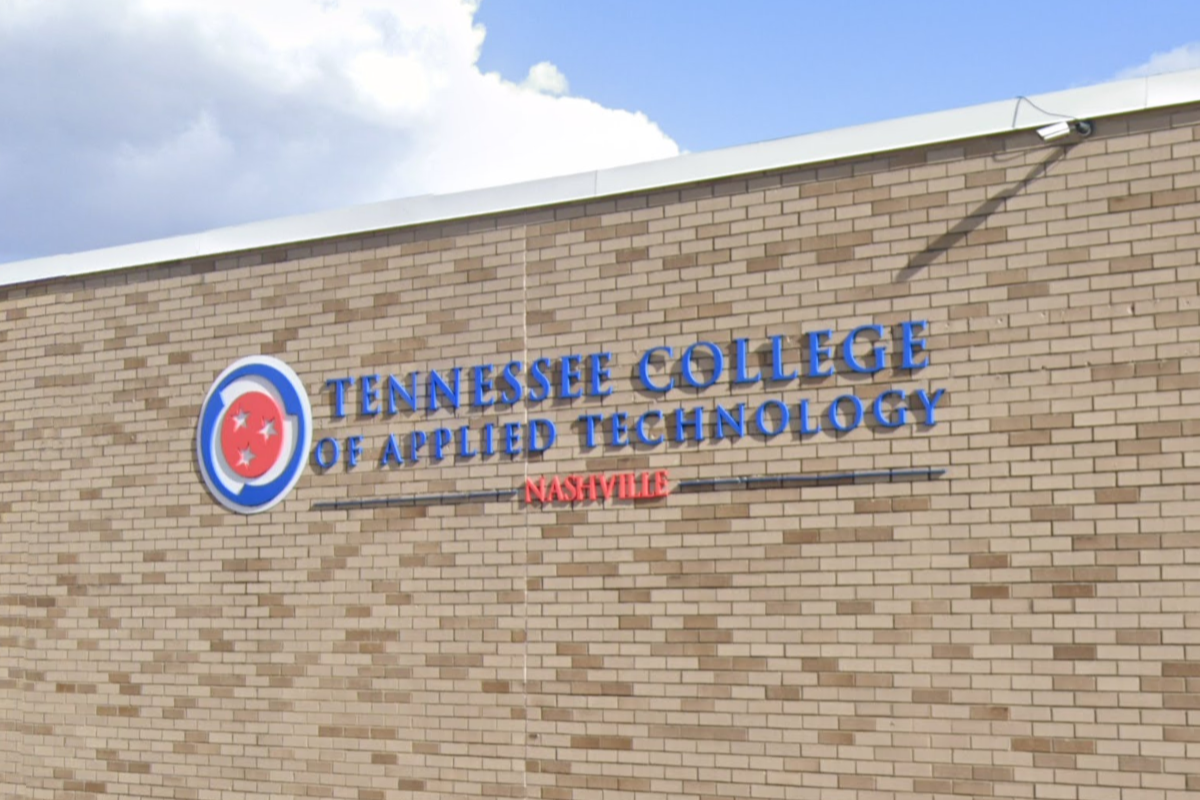
- Main Campus (White Bridge Road): Located at 100 White Bridge Road in West Nashville, adjacent to Nashville State Community College. This hub houses the central administration office, nursing labs, cosmetology suites, and primary skilled trade shops.
- Cockrill Bend Campus: Located in West Nashville near the Cumberland River, housing select heavy industrial and logistics programs.
- Satellite Instructional Sites: Specialized offerings and workforce training classes are periodically held at community centers and extension sites across the greater metro area.
How to Apply: Step-by-Step Admissions Process
Enrolling at TCAT Nashville follows a straightforward process, though competitive programs like Practical Nursing require extra planning.
- Submit the Free Application: Apply online through the official TCAT Nashville portal. There is no application fee.
- Provide Proof of Residency and Transcripts: Submit your official high school transcript, GED/HiSET documentation, and proof of Tennessee residency.
- File the FAFSA: Complete the Free Application for Federal Student Aid (School Code: 005378) to access TN Reconnect, TN Promise, and Wilder-Naifeh grants.
- Check Program-Specific Requirements: Programs like Practical Nursing require testing (such as the HESI exam), background checks, and health screenings before clinical placement.
- Attend Orientation and Register: After receiving acceptance, attend new-student orientation to finalize your schedule, order program tools, and register for classes.
Frequently Asked Questions
Do I need a high school diploma or GED to attend?
Most credential programs require a recognized high school diploma or equivalent (HiSET/GED). However, select supplemental training pathways or co-enrolled adult education courses may allow adults to work toward their high school equivalency concurrently.
Are evening classes available?
Yes. While most programs operate on a full-time day schedule (typically Monday through Friday from 7:45 AM to 2:15 PM), select disciplines like Welding, HVAC, and Computer Information Technology frequently offer evening classes to accommodate working adults.
How long does it take to graduate?
Most full-time diploma programs take between 12 and 20 months (3 to 5 trimesters). Shorter certificate tracks can often be finished in as little as 4 to 8 months.
Take the Next Step
Whether you want to leave an unfulfilling hourly job, enter the thriving healthcare industry, or master a high-earning construction trade, technical education offers a direct route to economic mobility. Visit TCAT Nashville’s White Bridge Road campus or apply online to get started on your certification today.