Teacher Evaluations Sample: What Effective Reviews Look Like
Understanding the Modern Teacher Evaluations Sample
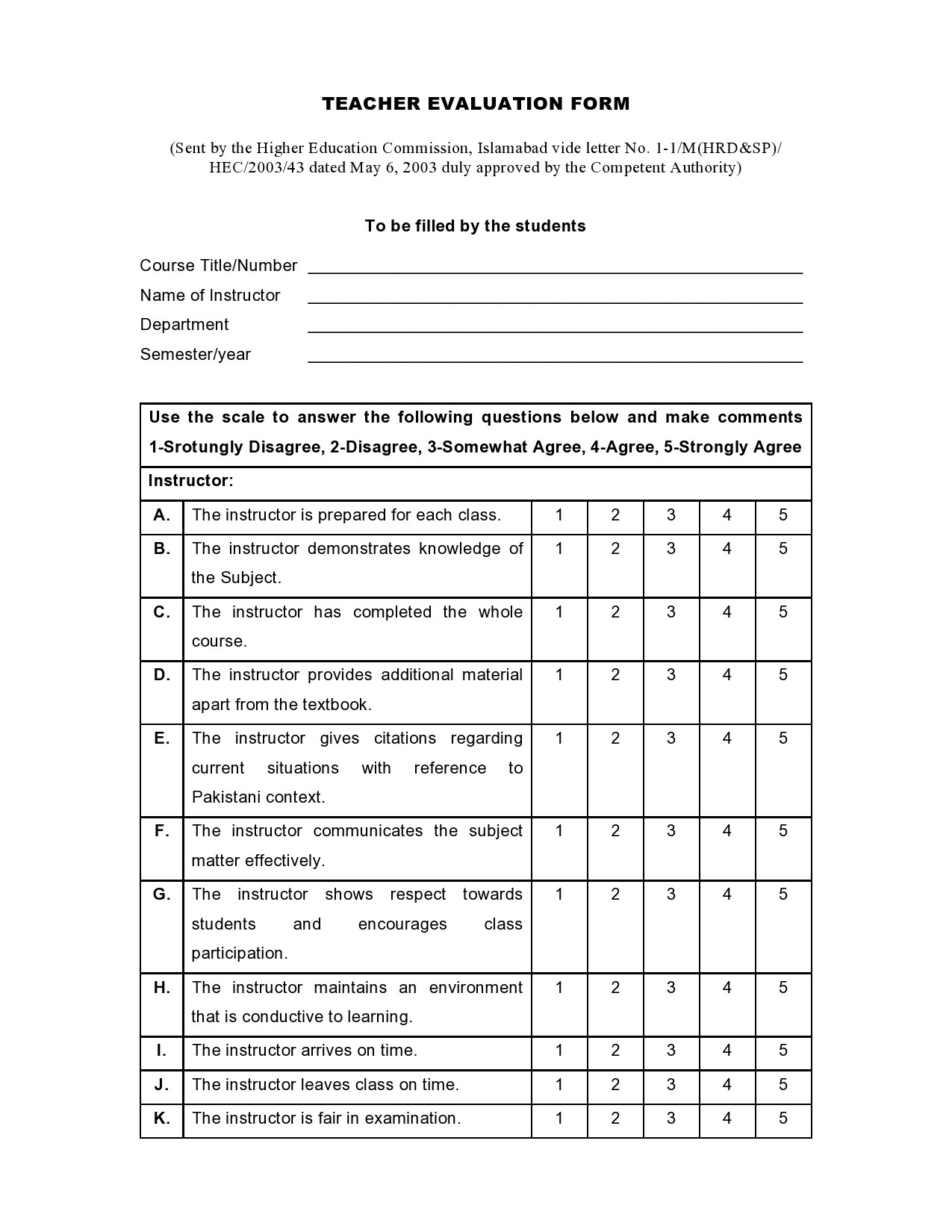
Teacher evaluations are a cornerstone of professional growth and institutional accountability in education. Whether you are an administrator drafting a performance review or an educator preparing for an observation, reviewing a solid teacher evaluations sample can provide immense clarity. Effective evaluations move beyond punitive checklists; instead, they serve as collaborative tools designed to refine instructional strategies, support student engagement, and foster a culture of continuous improvement.
Historically, teacher evaluations relied heavily on a single administrator sitting in the back of a classroom with a clipboard. Today, modern evaluation models incorporate multi-measure approaches. These include direct classroom observations, student growth data, lesson plan reviews, and self-assessments. Examining a standardized evaluation sample helps stakeholders align expectations and understand the exact metrics used to measure teaching excellence.
Core Components of an Effective Evaluation Form
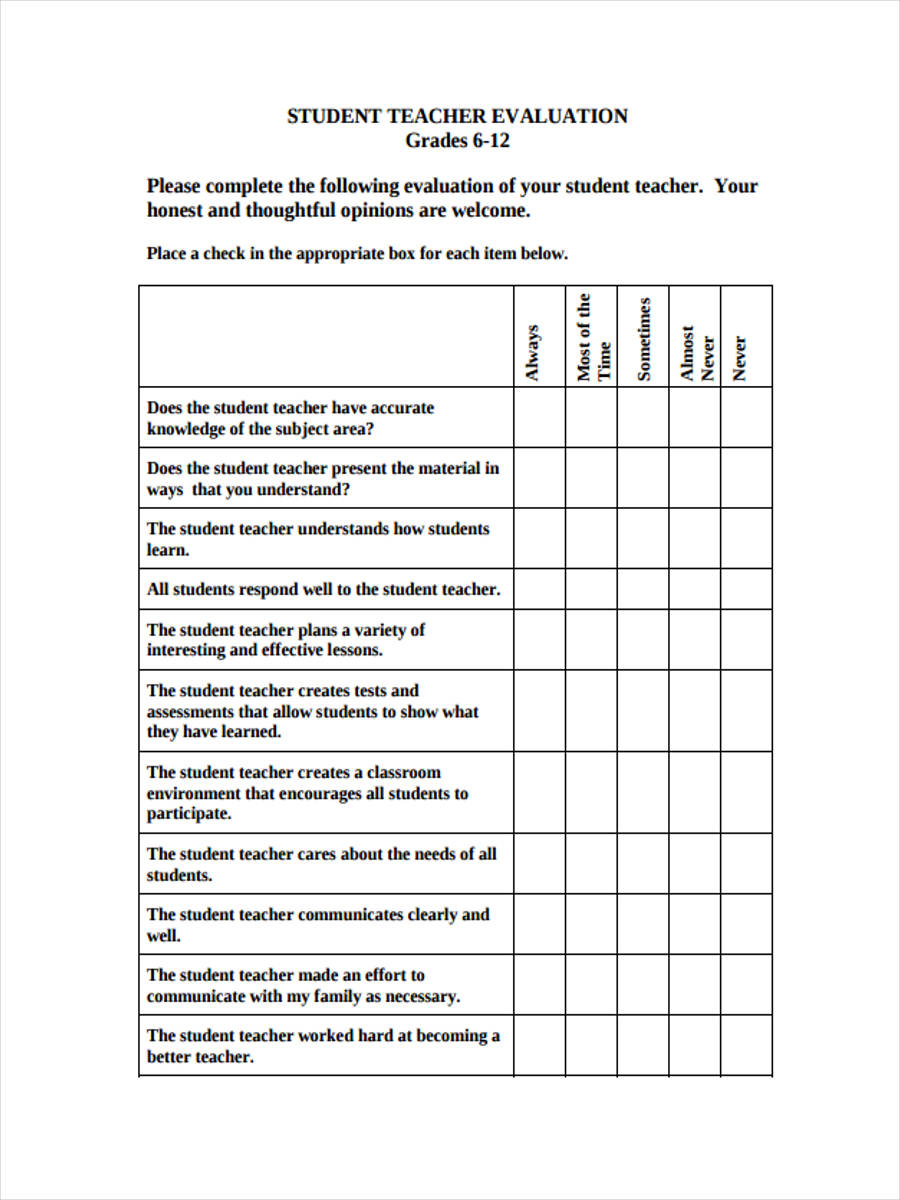
A well-structured evaluation document is typically broken down into distinct domains. While districts use varying rubrics—such as the Danielson Framework or Marzano Evaluation Model—most frameworks share common pillars. Here are the core sections you will typically find in a comprehensive evaluation form:
- Planning and Preparation: Assessing how well the teacher designs lessons, aligns content with state standards, and prepares instructional materials.
- Classroom Environment: Evaluating classroom management, student-teacher rapport, physical safety, and the establishment of a culture for learning.
- Instructional Delivery: Looking at questioning techniques, pacing, clarity of communication, and engagement strategies.
- Professional Responsibilities: Reviewing communication with parents, collaboration with colleagues, professional ethics, and reflective practices.
Sample Domain Breakdown: Instructional Delivery
To see how these components look in practice, let's examine a sample snippet focused specifically on instructional delivery. In a typical rubric, this domain is scored across multiple performance tiers, such as Unsatisfactory, Basic, Proficient, and Distinguished.
Indicator: Engaging Students in Learning
Video: Assessment vs Evaluation in Education Simple Explanation with Examples

- Unsatisfactory: Few students are intellectually engaged; activities are rote, and pacing is erratic.
- Proficient: Most students are engaged in learning through well-paced lessons and appropriate questions that provoke critical thinking.
- Distinguished: Virtually all students are highly engaged, taking initiative to improve their understanding and assisting peers in collaborative tasks.
Sample Teacher Evaluation Narrative
Beyond numerical scores, narrative feedback provides the qualitative context educators need to grow. Below is an excerpt from a constructive evaluation narrative following a 9th-grade English language arts observation.
"During the observation of the argumentative writing unit, the instructor demonstrated strong command of content and fostered an inclusive classroom culture. The lesson began with a clear, objective-driven hook that connected prior knowledge to the day's goal. Students engaged in productive peer-review circles utilizing a structured rubric provided by the teacher. To elevate instruction further, consider incorporating more wait-time after posing higher-order questions to encourage participation from quieter students."
This narrative works well because it highlights specific strengths, names the context of the lesson, and offers one actionable area for professional growth.
Best Practices for Administrators and Educators
Maximizing the value of teacher evaluations requires intentionality from both the observer and the observed. Follow these best practices to ensure the evaluation process yields positive outcomes:
- Prioritize Pre-Conferences: Observers should meet with teachers beforehand to understand the context of the lesson, the demographics of the classroom, and any specific challenges being addressed.
- Focus on Actionable Feedback: Vague praise like "good job" or generic critique like "improve management" does not help. Feedback must pinpoint exact moments in the lesson and suggest alternative strategies.
- Foster Two-Way Dialogue: Post-observation conferences should not feel like a lecture. Teachers should be given the floor to self-reflect, share what they felt went well, and discuss where they want support.
- Connect Evaluations to Professional Development: An evaluation score should directly inform what professional learning communities (PLCs) or workshops a teacher attends next.
Conclusion
A reliable teacher evaluations sample serves as a roadmap for instructional success. By breaking down evaluations into transparent domains, utilizing constructive qualitative feedback, and maintaining an open dialogue between administrators and educators, schools can transform performance reviews from administrative chores into powerful engines of student and teacher achievement.