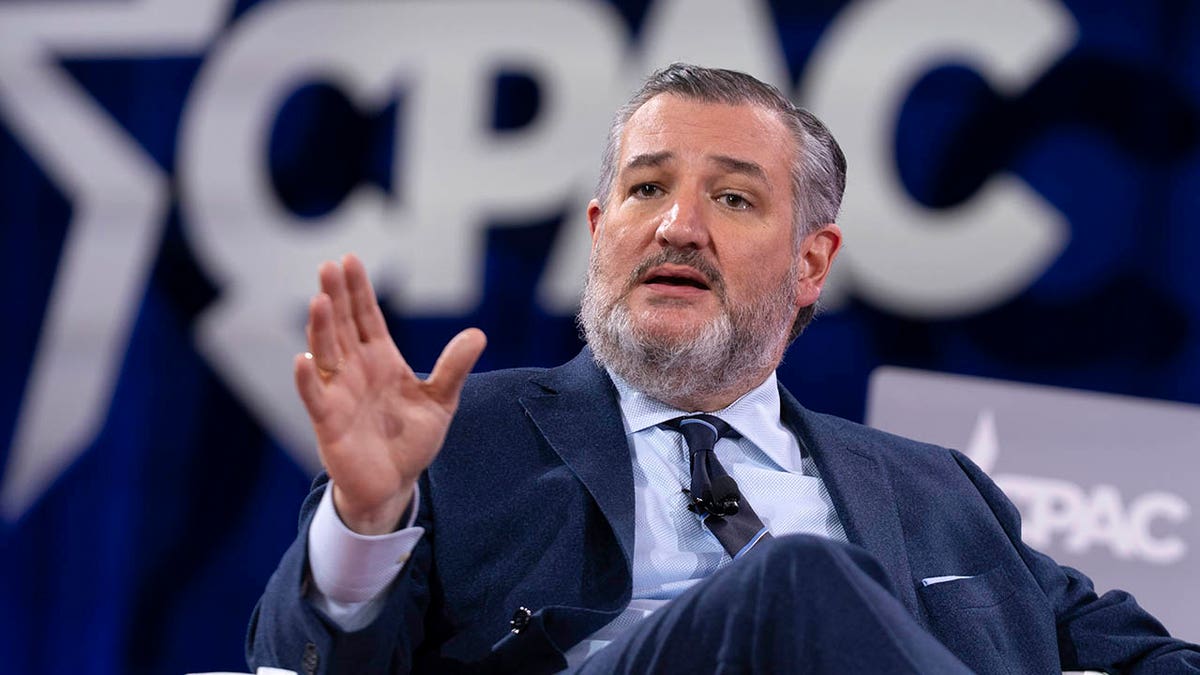
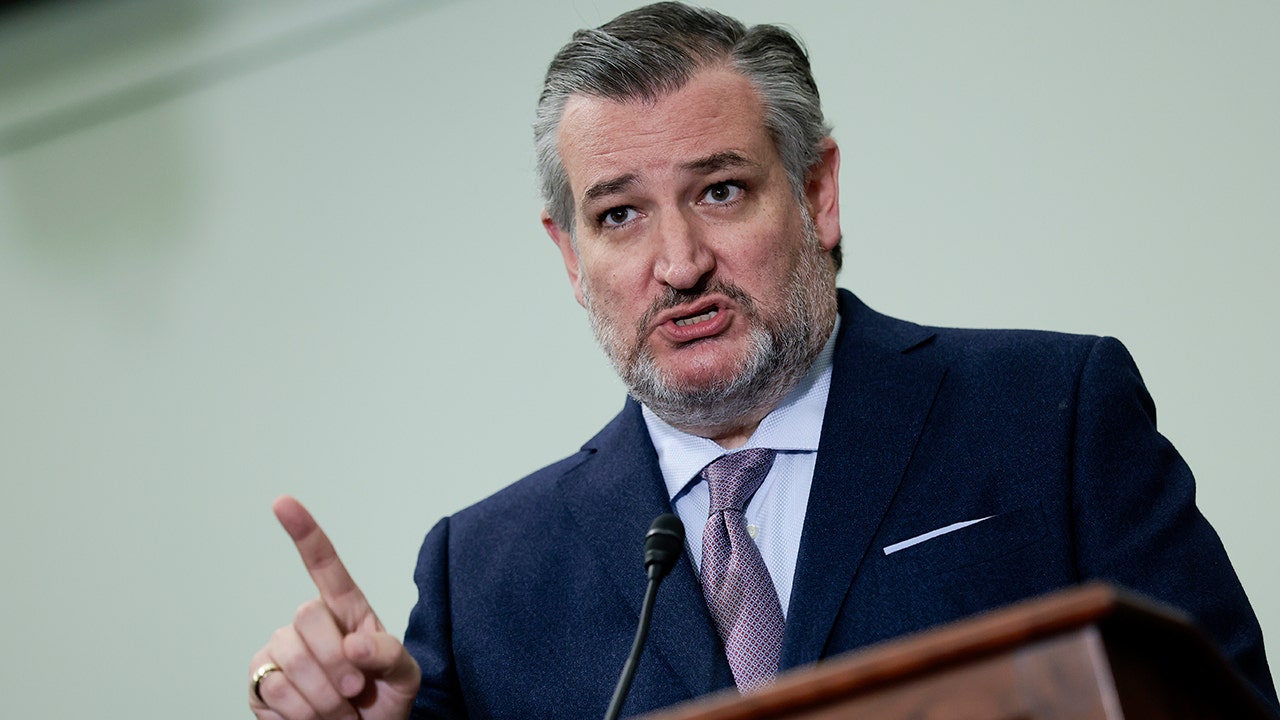
Ted Cruz's $825 Million Empire: Fact vs. Fiction
When rumors swirl on social media about politicians accumulating vast fortunes, the numbers can quickly spiral out of control. Recently, viral headlines and speculative posts have pushed the narrative regarding the Secrets of Ted Cruz’s $825 Million Empire—2025’s Billionaire Leader Exposed. For anyone following American politics, claims of an $825 million net worth attached to a sitting U.S. senator naturally raise eyebrows and demand immediate fact-checking.

In reality, the financial status of public officials is a matter of public record, strictly regulated by federal disclosure laws. This article separates viral internet myth from actual financial documentation to reveal the true state of Ted Cruz's personal finances, investments, and overall net worth.
Understanding Congressional Wealth Disclosures
Before examining specific assets, it is important to understand how U.S. senators report their wealth. Under the Ethics in Government Act, members of Congress must file annual financial disclosure reports. These documents do not require exact dollar amounts for every single asset; instead, they use broad reporting ranges (e.g., $1,000 to $15,000, or $500,000 to $1,000,000).
While these ranges can make calculating an exact net worth difficult—since liabilities and mortgages must also be factored in—they provide a clear ceiling and floor for a politician's wealth. Independent financial watchdogs and journalistic outlets regularly review these filings to track changes in congressional wealth over time.
Debunking the $825 Million Empire Claim
The claim that Ted Cruz commands an $825 million empire is entirely unfounded. Financial analysts, political fact-checkers, and mainstream investigative reports consistently place Cruz's actual net worth significantly lower—typically estimated between $3 million and $5 million.
Where do inflated figures like $825 million come from? Often, viral content conflates government budgets, political action committee (PAC) fundraising totals, macroeconomic policy impacts, or simply fabricates numbers entirely for clickbait. A senator's ability to influence legislation or appear on media programs does not translate into personal ownership of multi-million-dollar corporate assets.

The Core Components of Ted Cruz's Actual Net Worth
A realistic review of public financial disclosures reveals that Cruz's wealth is primarily tied to standard professional income, book royalties, and conventional investments rather than a sprawling corporate empire.
- Senate Salary: As a U.S. Senator, Cruz earns a standard annual congressional salary of $174,000, a figure that has remained frozen for over a decade.
- Book Royalties: Cruz has authored several books, including Time to Trump, One Vote Away, and Justice Corrupted. Successful book sales generate meaningful royalty income outside of his government salary.
- Media Ventures: His podcast, Verdict with Ted Cruz, generates revenue through advertising and distribution deals, contributing to his household income.
- Investment Portfolio: Public disclosures show mutual funds, retirement accounts, and localized real estate holdings, which are typical for long-serving public servants and legal professionals.
How Ted Cruz's Wealth Compares in Congress
While an estimated net worth of several million dollars places Cruz comfortably above the median wealth of the average American household, he is far from being the wealthiest member of the U.S. Senate. Congress features numerous multi-millionaires and billionaires whose personal fortunes derive from legacy businesses, private equity, or large-scale real estate portfolios.
Cruz’s financial profile reflects that of an established constitutional lawyer and high-profile legislator who monetized his legal expertise and media presence through books and podcasts, rather than a hidden billionaire industrialist.
Conclusion
The viral stories teasing the Secrets of Ted Cruz’s $825 Million Empire—2025’s Billionaire Leader Exposed highlight a broader trend of sensationalized political media designed to generate clicks and shares. Official financial disclosures confirm that while Cruz is financially secure, he is not a billionaire, and his wealth stems from standard congressional compensation, book royalties, media ventures, and conventional investments.