Temperature at Yellowstone in July: What to Expect
Planning a trip to America's first national park during the peak of summer requires a good understanding of what Mother Nature has in store. Knowing the typical temperature at Yellowstone in July is essential for packing the right gear and making the most of your outdoor adventures. While July brings some of the warmest weather of the year to the region, Yellowstone's unique geography creates a climate full of surprising daily shifts.

Average Temperature at Yellowstone in July
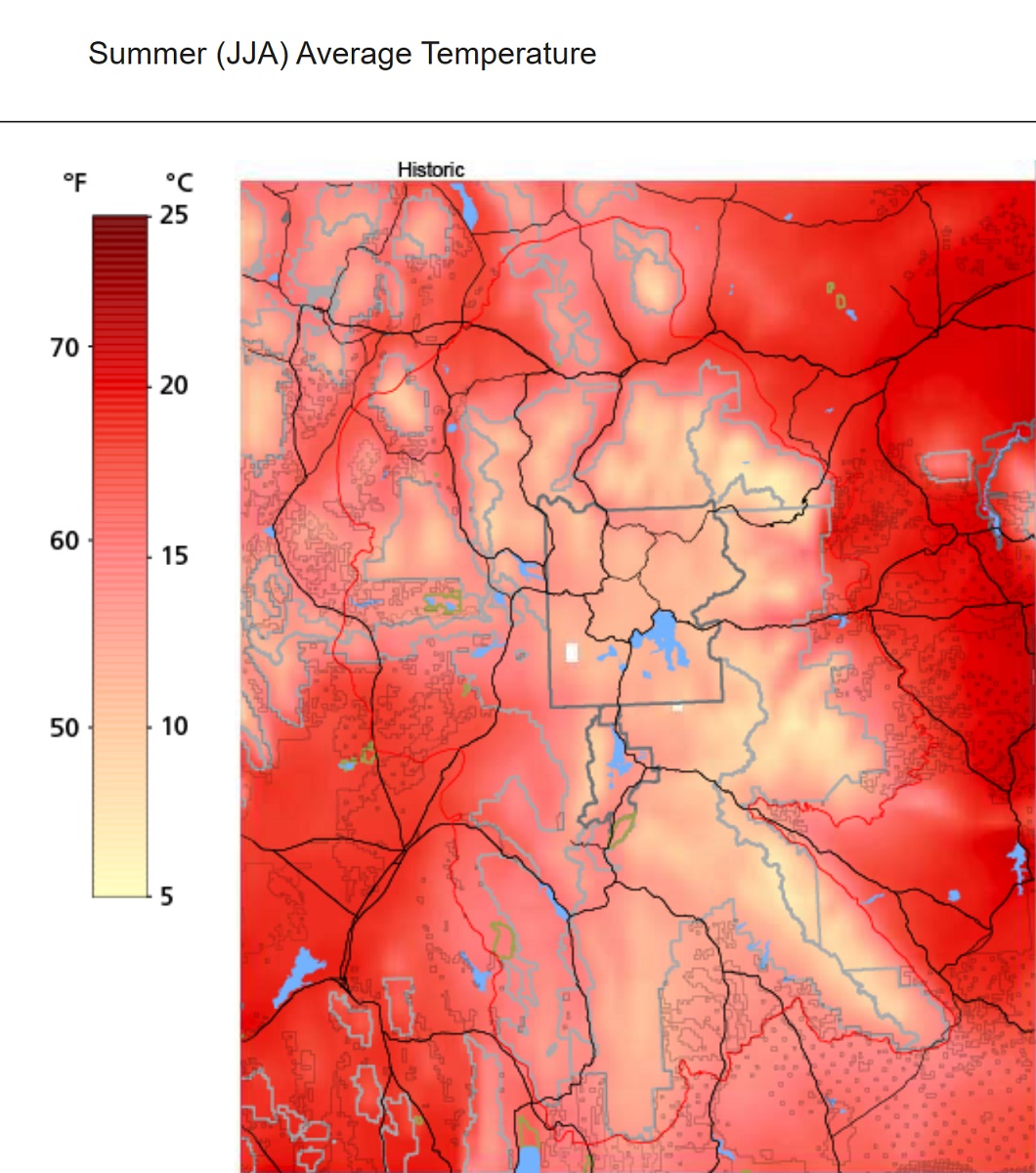
July is officially the warmest month of the year in Yellowstone National Park, but "warm" has a different meaning here compared to lower-elevation destinations. Because most of the park sits at an elevation of 7,000 to 8,000 feet above sea level, conditions remain relatively mild during the peak of summer.
During the day, typical daytime highs across most of the park hover between 75°F and 80°F (24°C to 27°C). However, lower-elevation areas such as the North Entrance near Gardiner, Montana, can occasionally see temperatures climb into the mid-80s°F (around 29°C to 31°C). On the other hand, higher plateaus and mountain passes will stay noticeably cooler.
As soon as the sun dips below the horizon, the landscape cools down rapidly. Nighttime lows frequently drop into the 40s°F (4°C to 9°C). In thermal basins and open meadows, temperatures can occasionally dip even closer to freezing, making frost in the middle of summer an entirely normal occurrence.
Microclimates and Elevation Variations
Yellowstone spans nearly 3,500 square miles across Wyoming, Montana, and Idaho. Because of this massive scale and varied topography, you cannot rely on a single forecast for the entire park. Elevation plays a massive role in dictating the local weather.
How Elevation Affects Your Daily Forecast
For every thousand feet you climb in elevation, the temperature drops by roughly 3 to 5 degrees Fahrenheit. If you are exploring the relatively low-elevation Mammoth Hot Springs, you will experience much warmer conditions than if you are hiking along the peaks of Mount Washburn or exploring the Southern Loop near West Thumb.
Thermal Features and Localized Heat
Another factor influencing your immediate surroundings is Yellowstone's famous geothermal activity. Walking through the Norris Geyser Basin or the Upper Geyser Basin on a sunny July afternoon can feel much hotter than the official weather report suggests. Steam vents, boiling springs, and vast expanses of dark volcanic rock absorb and radiate heat, creating microclimates that can easily elevate the ambient temperature around boardwalks by several degrees.

Weather Patterns: Rain, Sun, and Thunderstorms
While July is generally considered one of the drier months in the park, precipitation is still a regular part of the summer climate. A clear, blue morning can quickly transform by mid-afternoon.
- Afternoon Thunderstorms: Brief, intense thunderstorms are common in July. These typically develop around 1:00 PM or 2:00 PM, bringing heavy downpours, gusty winds, and occasionally lightning, before clearing out just as quickly as they arrived.
- High UV Index: Because of the high altitude and thinner atmosphere, the sun is exceptionally strong in Yellowstone. Sunburns happen much faster than at sea level, making sun protection a necessity.
- Low Humidity: The mountain air is very dry, which makes the warm daytime temperatures feel much more comfortable and prevents you from feeling excessively sticky or sweaty during hikes.
What to Pack for July Weather in Yellowstone
Because the temperature at Yellowstone in July can swing by as much as 40 degrees between the afternoon high and the morning low, dressing in layers is the golden rule of thumb. Packing strategically ensures you remain comfortable whether you are waiting for Old Faithful to erupt at sunrise or hiking a dusty trail at noon.
Essential Clothing Items
- Short-sleeve shirts and moisture-wicking tops: Perfect for active daytime exploring when the sun is beating down.
- Fleece jacket or wool sweater: Crucial for cool mornings, chilly evenings, and high-altitude viewpoints.
- Windbreaker or waterproof rain jacket: Essential protection against sudden afternoon mountain rainstorms and gusty winds.
- Long pants or convertible hiking pants: Great for cooler mornings and protecting your legs from mosquitoes and brush.
- Comfortable walking shoes or broken-in hiking boots: Essential for exploring boardwalks, dirt paths, and rocky trails.
Sun and Outdoor Protection Gear
Do not underestimate the intensity of the summer sun. Always pack a broad-spectrum sunscreen with an SPF of 30 or higher, UV-blocking sunglasses, and a wide-brimmed hat or baseball cap. Additionally, bring a reusable water bottle for each member of your group to stay hydrated in the dry mountain air.
Tips for Enjoying Your July Trip
July is peak tourism season in Yellowstone, meaning fantastic weather goes hand-in-hand with larger crowds. To make the most of your journey:
- Start early: Hitting the trails and major sights early in the morning allows you to enjoy cooler temperatures and beat the heavy midday crowds.
- Monitor the sky: Keep an eye out for rapidly building thunderheads during midday. If a thunderstorm rolls in, seek shelter inside a hard-topped vehicle or a permanent building rather than staying out in the open or on exposed ridges.
- Check daily forecasts: Weather conditions in the Rockies are notoriously dynamic. Check local ranger station boards or the National Weather Service daily for up-to-date regional forecasts.