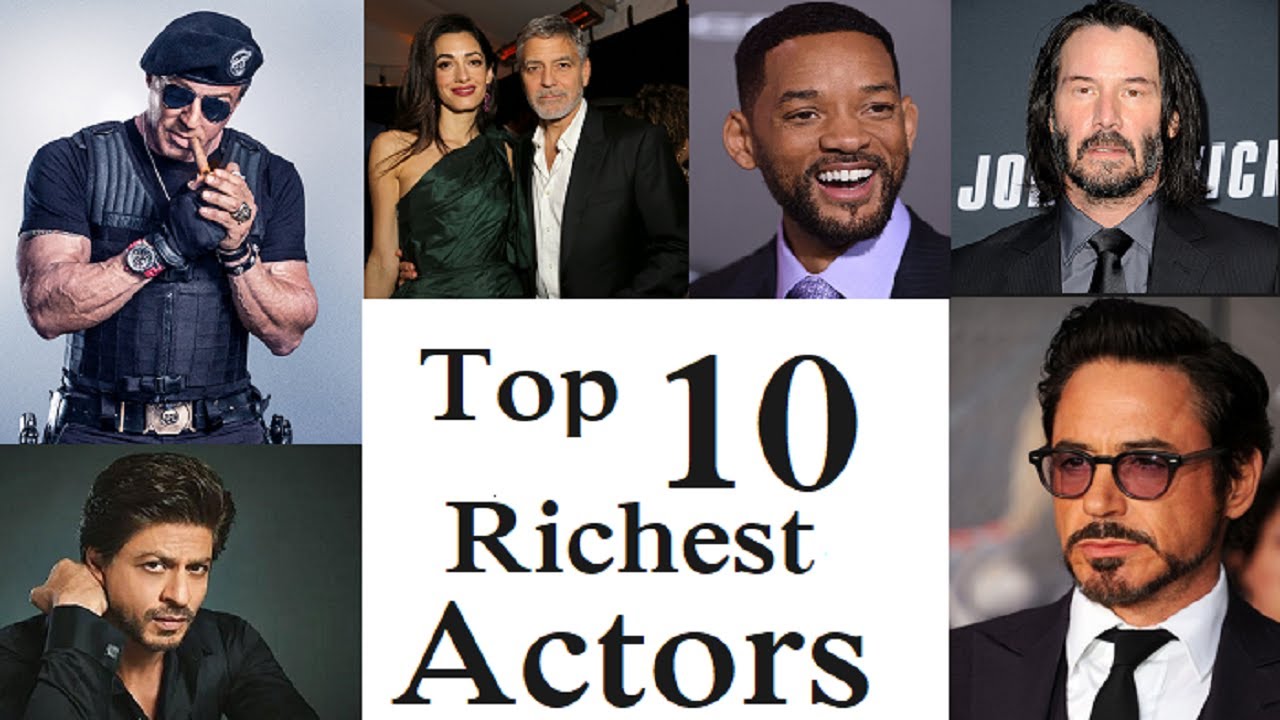
The가 100 Billion Stars: Hollywood Wealth Secrets
When studying the financial trajectories of entertainment icons, The가 100 Billion Stars: What Hollywood’s Richest Know About Wealth! serves as a masterclass in the difference between high earnings and enduring financial sovereignty. While millions of viewers see private jets, couture wardrobes, and red-carpet premieres, the real story unfolds behind closed doors in corporate boardrooms, venture capital pitches, and private equity agreements.

Most working actors and musicians trade their personal time for a paycheck—even if that paycheck reaches seven or eight figures. However, the entertainment industry's ultra-wealthy echelon understands a fundamental truth: a salary alone rarely produces permanent, self-sustaining fortune. Here is an in-depth breakdown of how the world's most commercially successful stars build, protect, and multiply their assets.
The Shift from High Income to True Equity
The core lesson from Hollywood's financial elite is the distinction between earned income and equity ownership. An actor who earns $20 million per film faces heavy agent cuts, manager fees, legal retainers, and the highest bracket of income taxes, leaving them with a fraction of their headline gross. Once production wraps, the cash flow ceases unless they book another project.
By contrast, entertainment moguls leverage their cultural influence to negotiate equity stakes rather than simple talent fees. Consider how figures like Ryan Reynolds and George Clooney approached their business ventures:
- Aviation Gin and Mint Mobile: Reynolds did not merely serve as a paid spokesperson; he secured substantial equity in both brands, steering their marketing before orchestrating exits valued in the hundreds of millions of dollars.
- Casamigos Tequila: Clooney and his partners built Casamigos into a premium spirits brand before selling it to Diageo for up to $1 billion.
- Skims and Fenty: Kim Kardashian and Rihanna transformed their digital followings into multi-billion-dollar consumer goods empires by holding controlling or founding equity stakes.
Ownership of Intellectual Property and Master Rights
Beyond commercial consumer brands, intellectual property (IP) remains the ultimate golden goose of entertainment wealth. When an artist owns their underlying catalog, masters, or production rights, they establish passive, recurring royalty streams that compound across decades.
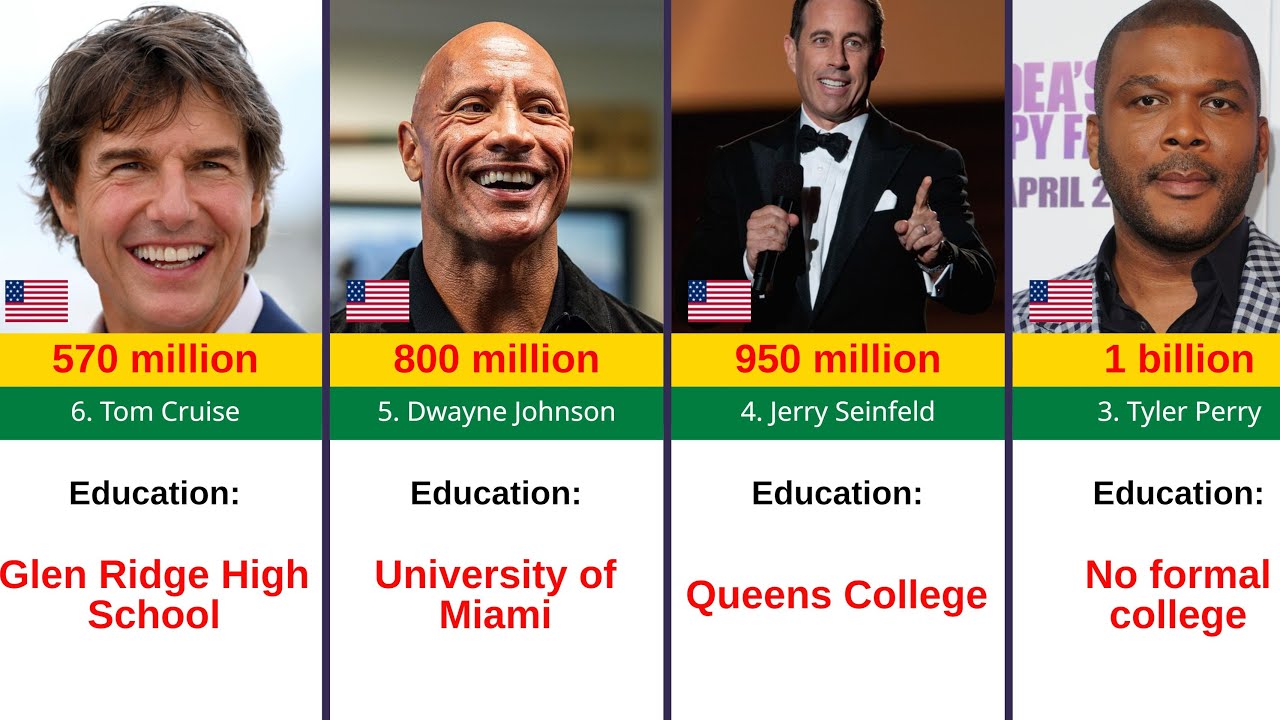
The Tyler Perry Studio Blueprint
Tyler Perry represents one of the starkest examples of IP retention in modern