The Age That Correlates with Net Worth Growth
Understanding the Wealth Acceleration Curve

When does personal wealth creation truly take off? While financial milestones happen at every stage of life, economic data and Federal Reserve surveys point to a specific period when assets begin compounding rapidly. Understanding the age that correlates with net worth growth can help you align your career, savings, and investment strategies to maximize this critical window.
For decades, demographic and economic research has shown that net worth is not a flat line; it follows an exponential curve. While people in their twenties and early thirties are often busy paying off student loans, buying entry-level homes, and establishing careers, a distinct shift occurs as individuals cross into middle adulthood. This article explores when this wealth acceleration happens, why it occurs, and how you can position yourself to take full advantage of it.
The Magic Window: When Net Worth Actually Grows
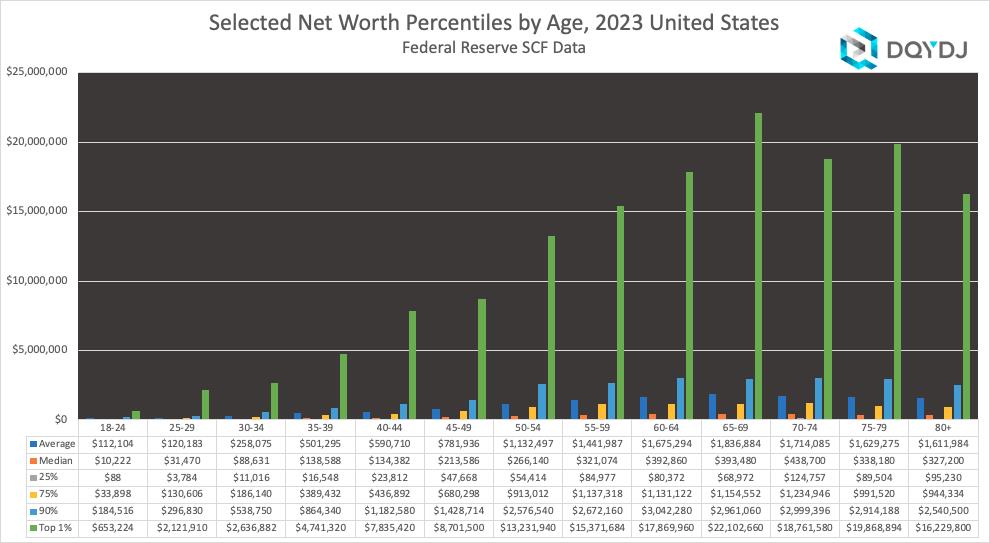
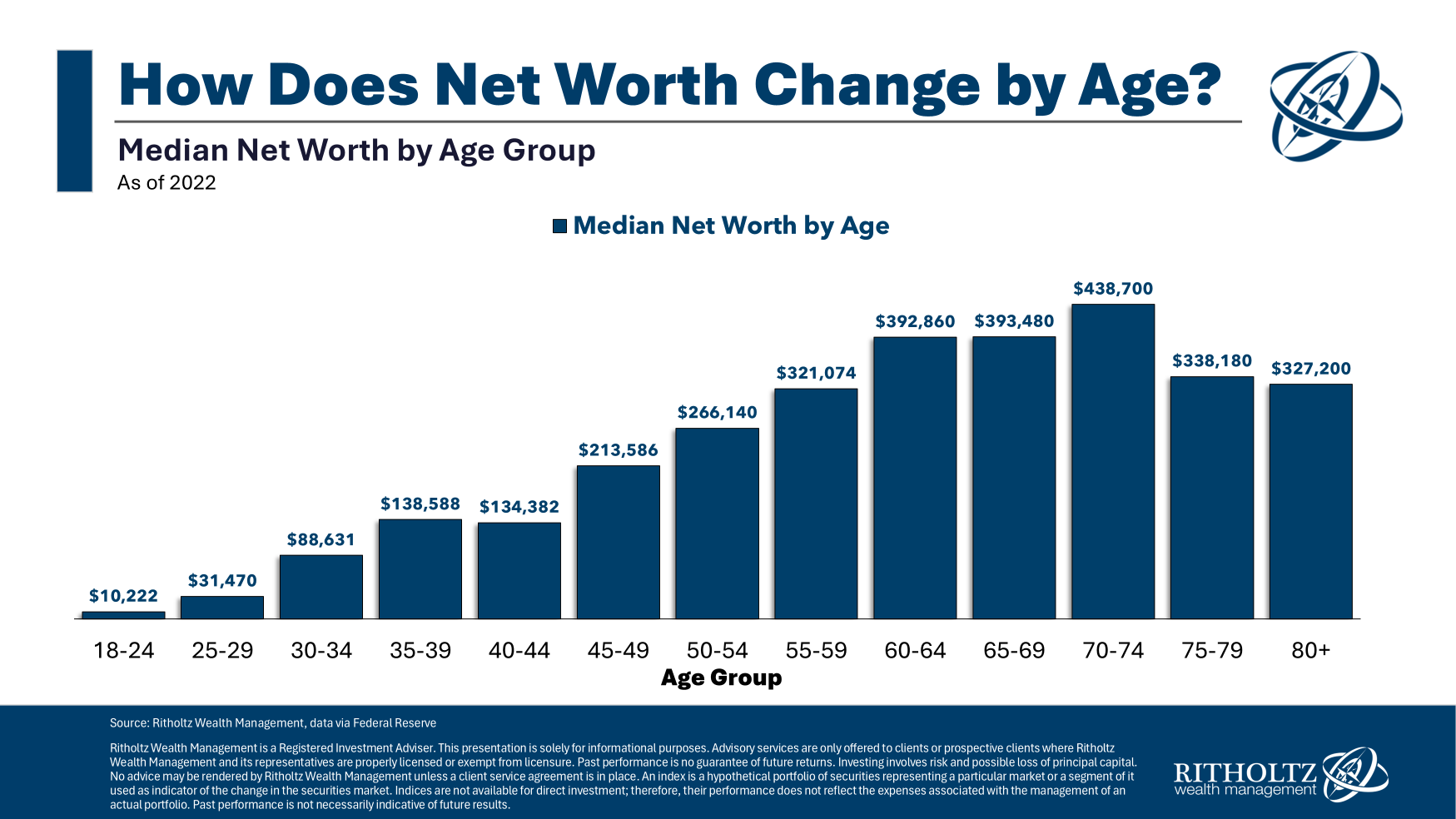
According to data from the Federal Reserve’s Survey of Consumer Finances, median and average net worth figures begin to climb steeply once individuals enter their forties, with the most aggressive accumulation phase happening between ages 45 and 54.
During this decade, several financial catalysts converge. Peak earning years often coincide with reduced financial friction, such as completed student loan payoffs or children aging out of expensive daycare. More importantly, the foundational investments made in the previous two decades finally reach a critical mass where compounding interest begins to do the heavy lifting.
Why Your 40s and 50s Are the Prime Wealth Decades
There is no magic in a specific birthday, but rather a combination of behavioral, professional, and financial factors that peak during midlife:
- Peak Earning Potential: By their mid-forties, most professionals have climbed their respective career ladders, securing senior roles, higher salaries, or established client bases.
- Asset Compounding: Money invested in the stock market or real estate in your twenties and thirties has had 15 to 20 years to grow, creating a snowball effect.
- Lower Debt-to-Income Ratios: Major liabilities like mortgages are often significantly paid down, and consumer debt is typically managed better than in early adulthood.
- Financial Clarity: Years of trial and error lead to disciplined spending habits and a clearer understanding of personal risk tolerance.
How to Enter The Age That Correlates with Net Worth Growth Early
You do not have to wait passively for your mid-forties to build substantial wealth. By adopting the financial behaviors of high-net-worth individuals early, you can accelerate your timeline and enter this high-growth phase ahead of schedule.
1. Shift from Earned Income to Asset Accumulation
Trading time for money has a hard ceiling. To accelerate your net worth growth, you must intentionally transition a portion of your focus toward acquiring income-producing assets. This includes equity in businesses, dividend-paying stocks, index funds, and cash-flowing real estate.

Every dollar saved is a worker that can earn its own living. The earlier you put your capital to work, the shorter the runway to exponential growth.
2. Optimize Your Savings Rate Over Your Income
It is easy to fall into the trap of lifestyle inflation—spending more simply because you make more. High net worth is rarely a function of high income alone; it is almost always a function of the gap between what you earn and what you spend.
- Aim to save and invest at least 20% to 30% of your gross income.
- Automate your investments so that wealth building happens before you ever see the cash in your checking account.
- Direct every career raise or bonus straight into investments rather than upgrading your lifestyle.
3. Leverage Strategic Debt
Not all debt is created equal. While consumer debt (credit cards, auto loans for depreciating assets) acts as an anchor on your net worth, strategic debt can act as a catalyst. Mortgages on appreciating real estate or low-interest loans for business expansion allow you to leverage other people's money to build long-term value.
4. Invest Consistently Through Market Cycles
Compound interest requires time and consistency. Trying to time the stock market usually results in missed gains. By maintaining a regular investment schedule—such as dollar-cost averaging into low-cost index funds—you remove emotion from the equation and ensure you participate fully in long-term market growth.
Overcoming Early Financial Hurdles
If you are currently in your twenties or early thirties, looking at the wealth milestones of middle-aged adults can feel intimidating. Remember that net worth is a lagging indicator. The comfortable retirement accounts and property portfolios you see in a 50-year-old are simply the visible result of thousands of invisible, disciplined choices made decades prior.
Focus on building the scaffolding now: master your budget, protect your earning capacity through continuous skill development, and keep your fixed expenses low. When you hit your forties, you will find that the foundation you laid early makes the climb effortless.
Conclusion: Your Net Worth Timeline is Flexible
While statistical averages point to the mid-forties as the age that correlates with net worth growth, your personal timeline is entirely within your control. By prioritizing asset accumulation, keeping lifestyle creep in check, and letting compounding interest work over a longer horizon, you can enter your peak wealth-building phase sooner and enjoy greater financial security throughout your life.