The Asian Spa Guide That Will Change Your Relaxation Routine Forever
Modern wellness often focuses on quick fixes—a 30-minute chair massage here, a scented candle there. While these rituals offer temporary relief, they rarely address the deep-seated tension most of us carry in our daily lives. If you are ready to upgrade your self-care practices, you need The Asian Spa Guide That Will Change Your Relaxation Routine Forever. By looking toward centuries-old Eastern wellness traditions, you can unlock a deeper, more sustainable state of physical and mental renewal.

The Philosophy Behind Asian Spa Traditions
Unlike Western spas that often focus primarily on aesthetic results and surface-level muscle relaxation, traditional Asian wellness systems view the body as an interconnected energetic network. Rooted in Ayurveda, Traditional Chinese Medicine (TCM), and ancient island healing rituals, these practices aim to balance the flow of life force energy—known as *Qi* or *Prana*.
When you incorporate these philosophies into your routine, relaxation stops being just a luxury and becomes an act of preventative healthcare. Every stretch, pressure point, and herbal infusion serves a distinct biological and energetic purpose.
Core Rituals to Adopt for Your Routine
You do not need to book a first-class ticket to Bali or Kyoto to experience the benefits of Eastern wellness. By understanding and adapting these core treatments, you can dramatically improve your home relaxation routine.
1. The Balinese Deep Tissue Massage
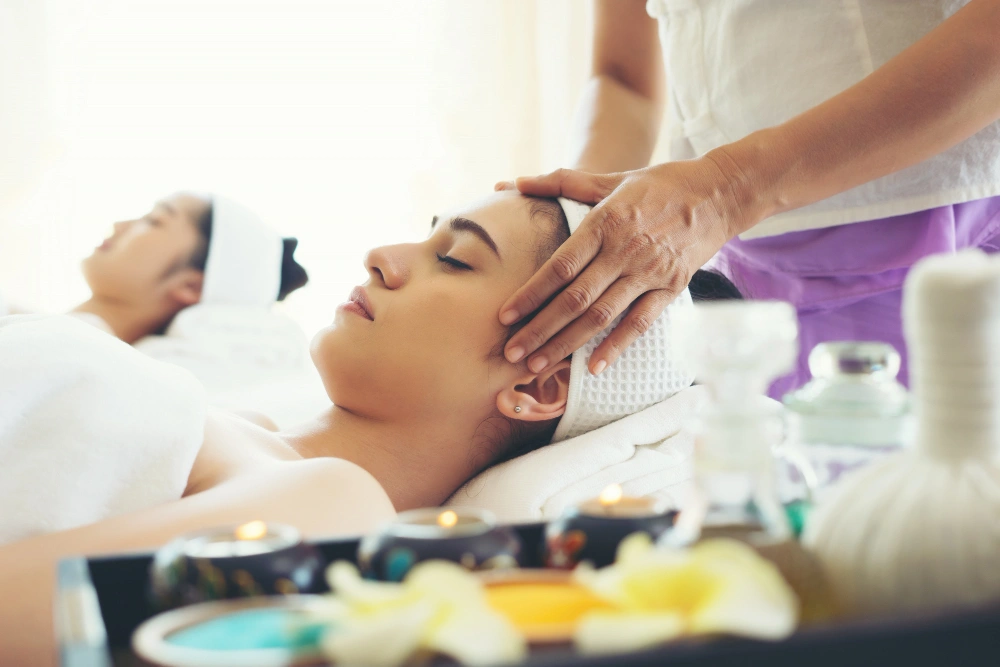
Originating from the Indonesian island of Bali, this technique combines gentle stretching, acupressure, reflexology, and aromatherapy. Therapists use long, stimulating strokes combined with thumb and palm pressure to relieve muscle tension and stimulate blood flow.
- Key Element: The use of warm essential oils like frangipani, sandalwood, or ginger to warm the muscles.
- How to adapt at home: Invest in a high-quality botanical body oil and practice self-massage on your calves and shoulders using firm, circular thumb pressures before bed.
2. Ayurvedic Abhyanga (Self-Oil Massage)
Rooted in ancient Indian medicine, Abhyanga is a warm oil massage designed to pacify the nervous system and nourish the skin. Practitioners believe that daily oiling protects the body from environmental stressors and mental fatigue.
Video: Shiatsu, Anma, Head Spas — Why Is Japanese Massage So Diverse?

- Warm a cup of organic sesame or coconut oil.
- Massage the oil into your entire body using long strokes on the limbs and circular motions on the joints.
- Let the oil absorb for 15 minutes before rinsing off with warm water.
3. Japanese Onsen and Hydrotherapy
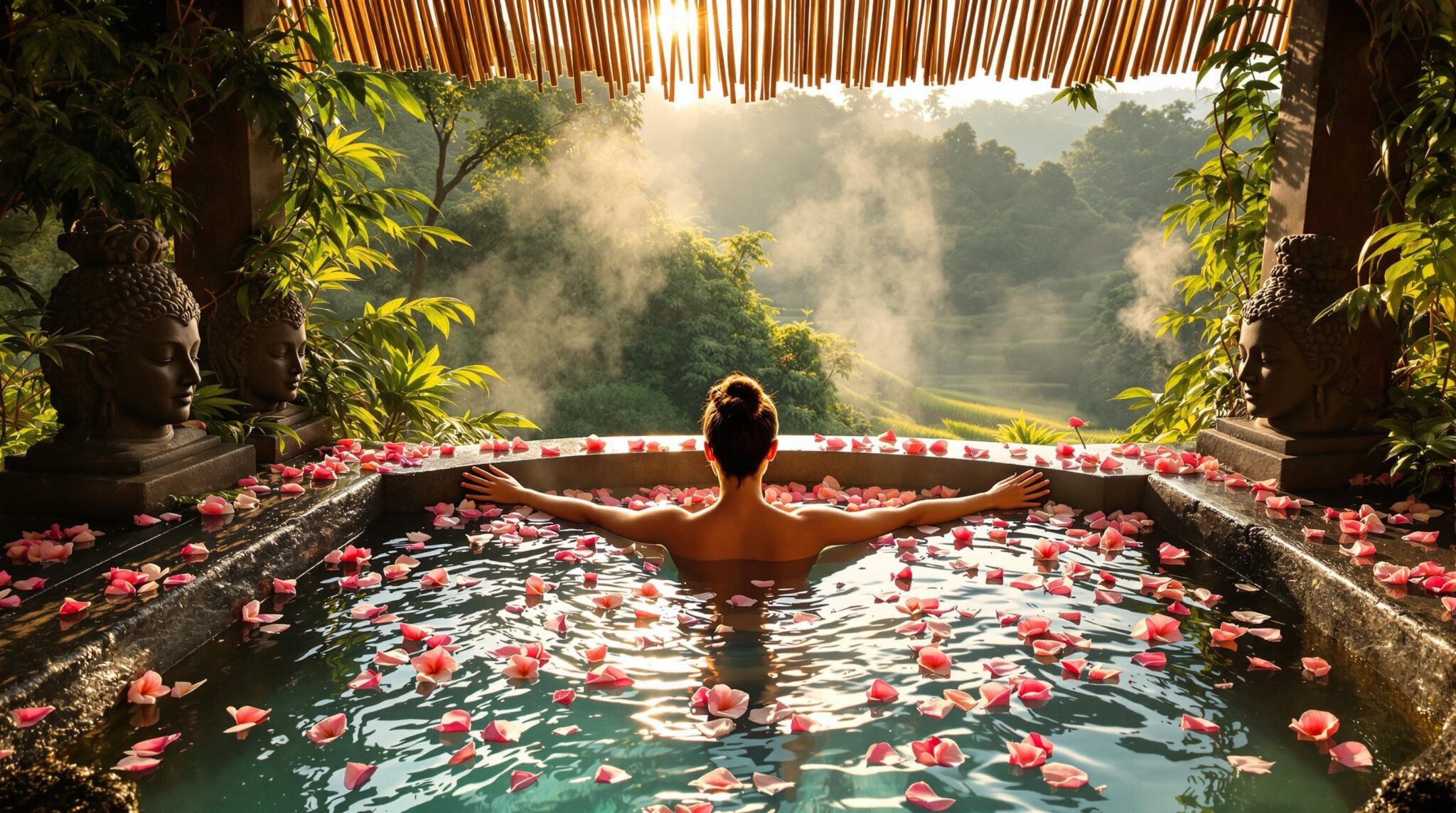
Water is central to Asian relaxation rituals. While natural volcanic hot springs (*onsen*) are a staple of Japanese culture, the principle of mineral soaking can be replicated anywhere. Mineral-rich baths help reduce inflammation, soothe joint pain, and induce deep sleep.
Designing Your Ultimate Asian-Inspired Spa Routine
To truly transform your relaxation habits, consistency is key. Rather than treating a spa day as a rare quarterly event, weave elements of Eastern wellness into your weekly schedule.
The Weekly Ritual Blueprint
Set aside one evening a week—ideally Sunday—to disconnect from digital devices and follow a structured relaxation sequence:
- Preparation (15 mins): Dim the lights, light an incense stick or wood-based aroma like cedarwood, and draw a warm bath infused with Epsom salts and magnesium flakes.
- Soaking (20 mins): Soak in the mineral water while practicing deep, diaphragmatic breathing to calm your vagus nerve.
- Nourishment (15 mins): Step out, gently pat your skin dry, and perform a 10-minute warm oil self-massage, working from your extremities toward your heart.
- Integration (10 mins): Wrap yourself in a heavy cotton robe, sip warm herbal ginger tea, and sit quietly without screens or distractions.
Making It Sustainable
The secret to changing your relaxation routine forever is letting go of perfection. You do not need an elaborate two-hour ritual every single day. On busy weekdays, a five-minute mindful oil application after a shower can ground your nervous system. On weekends, indulge in the full bathing ceremony.
By honoring these ancient rituals, you shift your mindset from merely 'unwinding' to actively restoring your physical and energetic balance. Embrace these Asian wellness traditions, and watch how your daily stress melts away permanently.