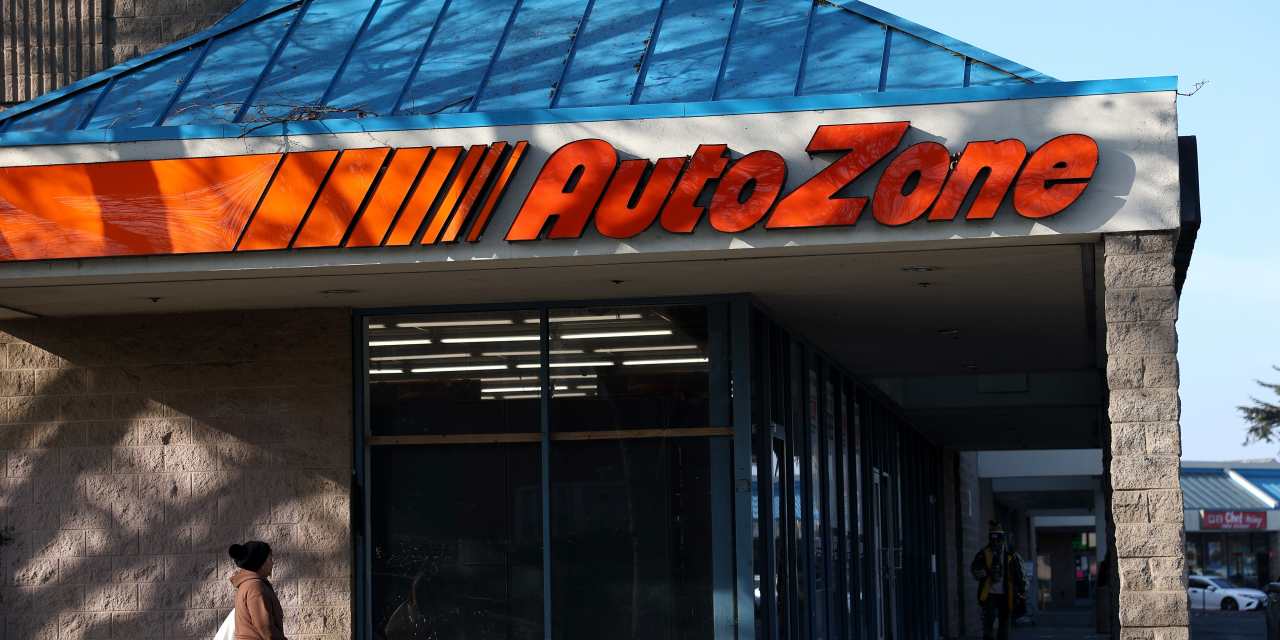
The Auto Retail Bankroll: Why AutoZone’s Net Worth Shines Bright
When people think of retail juggernauts, names like Walmart or Amazon usually dominate the conversation. However, tucked away in the resilient automotive aftermarket sector is a silent financial titan that quietly outpaces many traditional retail giants. AutoZone, headquartered in Memphis, Tennessee, has built a reputation not just for dependable car batteries and brake pads, but for masterclass financial engineering. Understanding The Auto Retail Bankroll: Why AutoZone’s Net Worth Shines Bright requires looking past the storefronts and diving into a balance sheet defined by aggressive capital allocation, steady margins, and a relentless focus on shareholder value.

The Recession-Resistant Auto Parts Business Model
To understand AutoZone's financial strength, you must first understand the structural advantages of the auto parts retail industry. Unlike apparel or consumer electronics, automotive parts are non-discretionary purchases for the vast majority of drivers. When economic times get tough, consumers tend to delay buying new cars. Instead, they invest in repairing and maintaining their current vehicles to extend their lifespans.
This dynamic creates a natural economic moat. Whether inflation is high, interest rates are climbing, or a recession is looming, people still need to replace worn-out alternators, spark plugs, and oil filters to get to work. AutoZone sits squarely in the middle of this essential ecosystem, serving both DIY (do-it-yourself) customers and DIFM (do-it-for-me) commercial repair shops. This dual-market approach ensures steady, predictable revenue streams through all phases of the macroeconomic cycle.
Decoding AutoZone’s Balance Sheet and Net Worth
Evaluating a company's true financial standing involves looking at more than just market capitalization. AutoZone’s net worth—frequently measured through its sustained profitability, retained earnings, and asset efficiency—tells a fascinating story of disciplined growth.
Consistent Free Cash Flow Generation
The hallmark of AutoZone’s financial success is its ability to generate massive amounts of free cash flow year after year. The company converts a high percentage of its net income directly into cash. This is driven by:
- Efficient Inventory Management: Sophisticated supply chain logistics ensure that parts are where they need to be without tying up excessive capital in stagnant stock.
- Favorable Working Capital Dynamics: AutoZone often benefits from strong supplier terms, allowing them to sell inventory before paying for it, creating a positive working capital cycle.
- Disciplined Capital Expenditures: New store openings and supply chain upgrades are funded primarily through internal cash flow rather than heavy debt reliance.
The Power of Share Repurchases
One of the most notable aspects of AutoZone’s corporate strategy is its multi-decade share buyback program. Rather than paying a traditional dividend, management chose to aggressively reduce the company’s share count. By buying back its own stock year after year, AutoZone has dramatically reduced the number of shares outstanding.
This mathematical compounding effect means that each remaining share represents a larger percentage ownership of the underlying business. Consequently, earnings per share (EPS) skyrocket, which consistently supports the company's valuation and drives long-term shareholder returns, even when traditional book value appears negative due to the accounting treatment of treasury shares.

Commercial Growth and Supply Chain Expansion
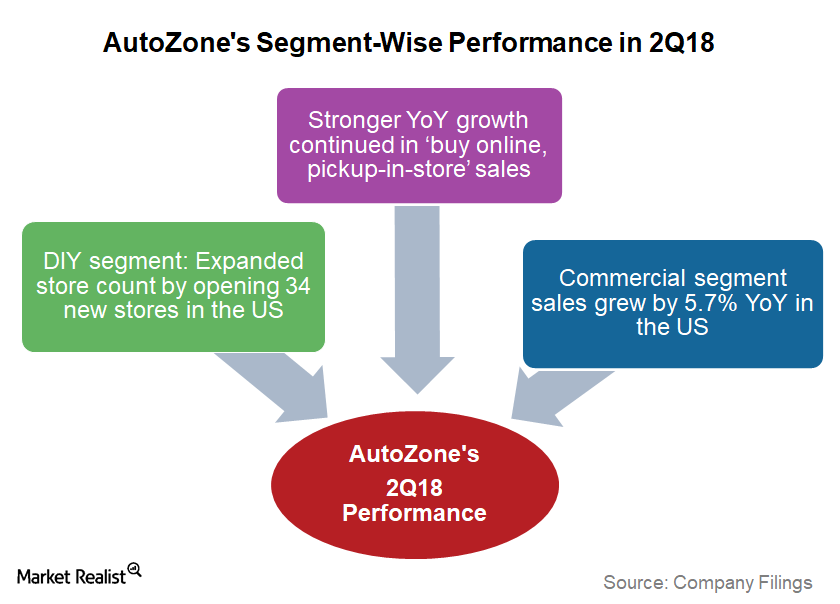
While the retail DIY segment forms the bedrock of AutoZone's history, its aggressive push into the commercial delivery market is fueling its modern growth engine. Commercial sales involve supplying local mechanics, dealerships, and independent repair shops with parts on-demand.
To capture this market, AutoZone has invested heavily in:
- Hub and mega-hub stores that stock a wider, deeper assortment of hard-to-find parts.
- Dedicated commercial delivery fleets that guarantee rapid part delivery to repair shops.
- Enhanced B2B digital ordering platforms that streamline inventory checks for mechanics.
This dual-engine model—capturing both retail walk-in traffic and high-volume commercial accounts—maximizes store productivity. Each incremental dollar of commercial revenue flows through a physical footprint that is already paid for, boosting operating margins and strengthening the overall enterprise value.
Risks and Challenges on the Horizon
Even a well-oiled financial machine like AutoZone faces external headwinds. Investors analyzing the auto retailer must weigh several ongoing challenges:
The Rise of Electric Vehicles (EVs): Internal combustion engine (ICE) vehicles require frequent maintenance—oil changes, exhaust repairs, and complex engine component replacements. EVs have significantly fewer moving parts, which could theoretically reduce the aftermarket parts demand over the long term. However, heavy batteries, specialized tires, and sophisticated electronics on EVs still require professional service, meaning the aftermarket is evolving rather than disappearing.
Supply Chain Pressures and Wage Inflation: Like all retailers, AutoZone must navigate rising labor costs and freight expenses. Maintaining competitive wages for store associates and commercial drivers is crucial to retaining talent and ensuring rapid customer service.
Conclusion: A Blueprint for Retail Longevity
AutoZone’s ascent into the upper echelon of retail performance is no accident. By capitalizing on the non-discretionary nature of car maintenance, generating reliable cash flow, and utilizing a masterclass share buyback strategy, the company has created an enduring financial powerhouse. For investors and market watchers alike, the auto retail bankroll managed by AutoZone serves as a prime example of how disciplined operations and shareholder-focused capital allocation can yield brilliant, long-term financial success.