The Big Nostril Meme: Origins, Variations, and Humor
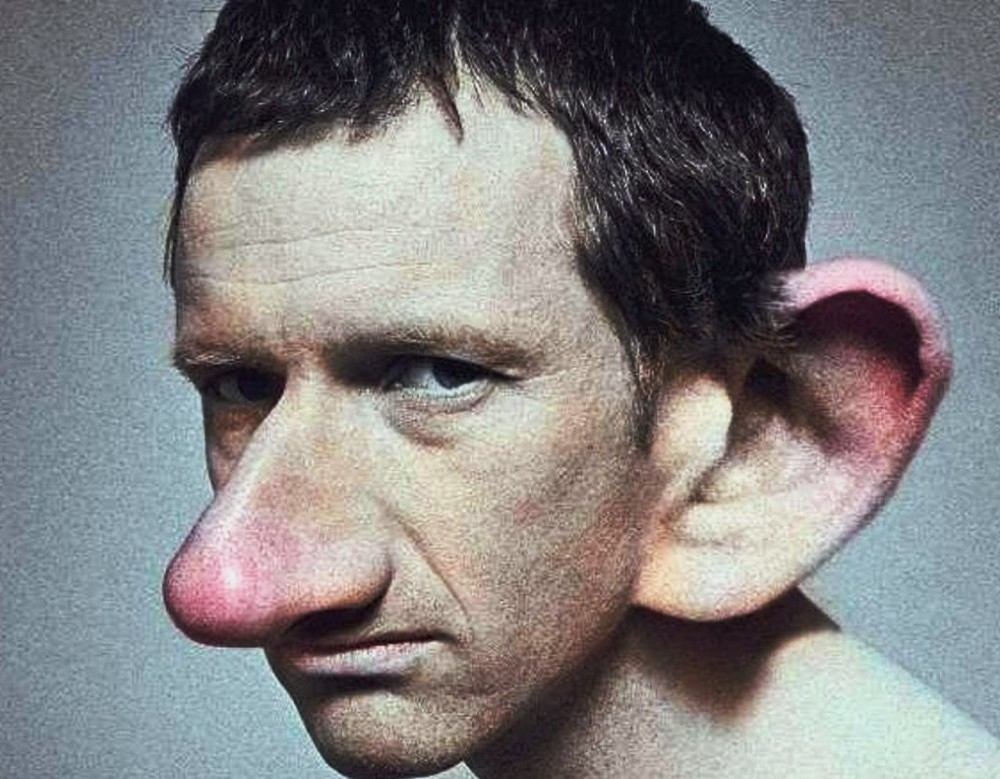
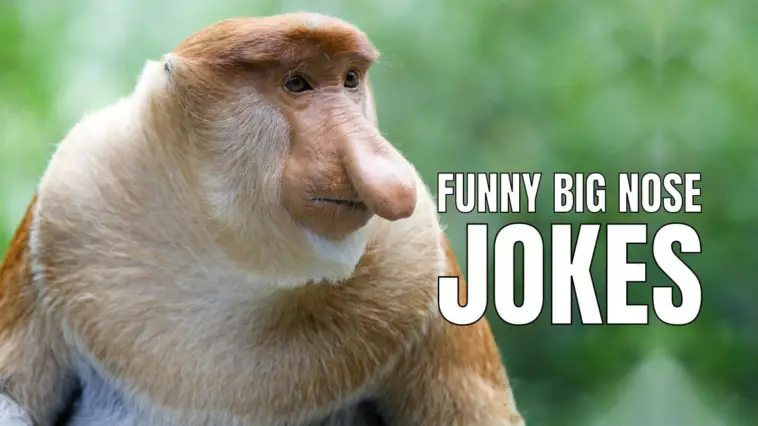
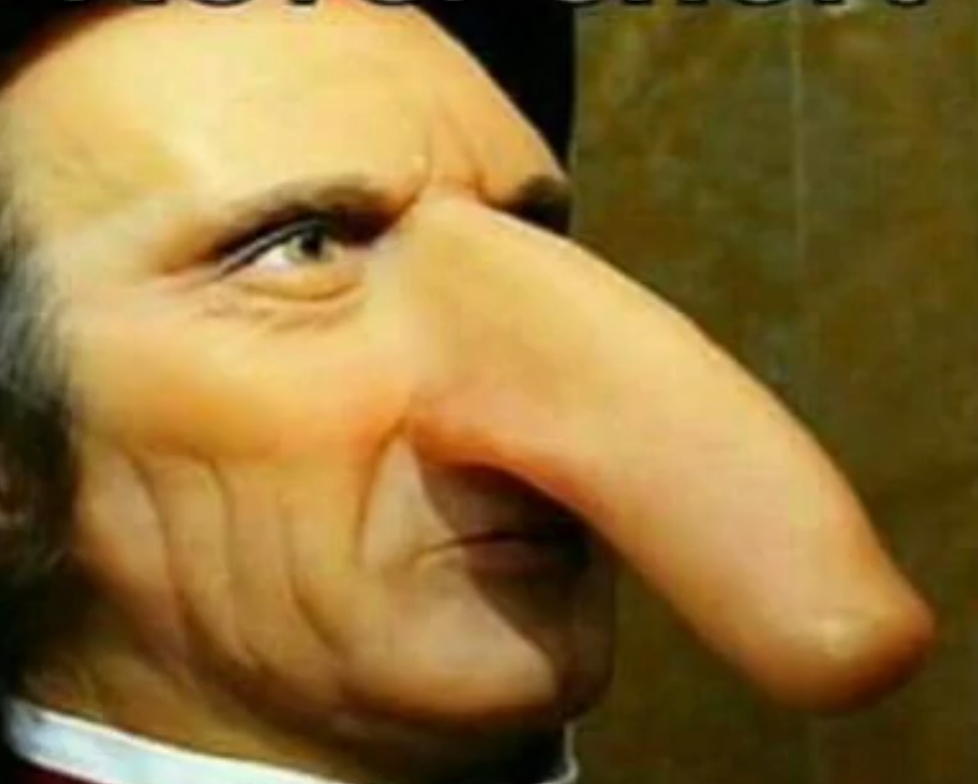
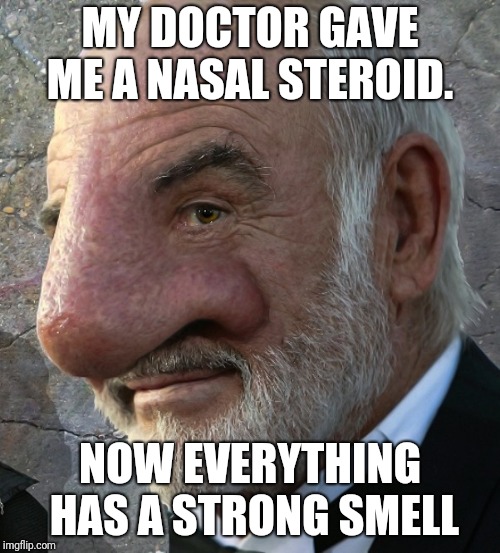
Few visual tropes capture the chaotic essence of modern internet comedy quite like the big nostril meme. Characterized by aggressive focal distortion, extreme close-up perspectives, and exaggerated facial anatomy, this recurring visual gag has proliferated across TikTok, X (formerly Twitter), Reddit, and Instagram. Whether produced accidentally via an unflattering front-facing camera angle or intentionally deployed as a surreal reaction image, the motif of flared nostrils dominating the frame consistently yields viral results.
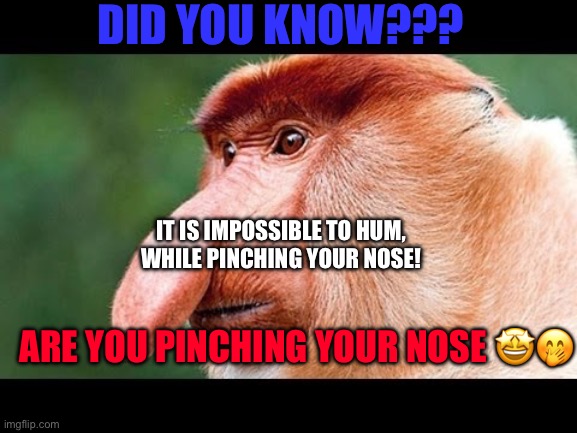
Visual memes thrive on subverting conventional beauty standards and playing with scale. While traditional portraiture relies on flattering angles, soft lighting, and standard focal lengths, the big nostril aesthetic leans directly into grotesque, fish-eye absurdity. To understand why this visual cue dominates timelines, it helps to examine its cultural roots, key iterations, and the psychological mechanics behind why we find it so funny.
What Defines the Big Nostril Aesthetic?
At its core, this meme category relies on forced perspective. When a camera is positioned directly beneath a subject’s face and angled upward at extremely close range, the distance between the lens and the tip of the nose diminishes drastically. Optical foreshortening naturally makes the nasal cavity appear disproportionately massive relative to the rest of the facial features.
The resulting image turns a familiar human face into an alien caricature. The eyes seem distant and small, the forehead recedes, and the nostrils become gaping focal points. In meme vernacular, this look communicates several universal emotions:
- Unwarranted Intimidation: Looming over the viewer to assert dominance in an absurdly ineffective way.
- Hyper-Intense Scrutiny: Investigating the viewer or a topic with intrusive, microscopic focus.
- Sudden Panic or Confusion: Expressing internal cognitive failure by mimicking a startled animal.
- Pure Derision: Mocking someone's opinion by delivering an intentionally ugly reaction frame.
Iconic Variations of the Big Nostril Meme
While the visual gag manifests in countless spontaneous social media posts, several foundational moments and trends have cemented the flared-nose close-up as an internet staple.
1. The 0.5x Ultra-Wide Selfie Trend
The introduction of ultra-wide camera lenses on modern smartphones—most notably the iPhone's "0.5x" setting—triggered a renaissance for distorted facial comedy. Gen Z and younger millennials quickly abandoned the manicured, filtered aesthetic of early 2010s Instagram in favor of unflattering, low-effort authenticity.
By turning the ultra-wide rear camera on themselves from mere inches away, creators produce images with extreme spherical distortion. The center of the frame balloons outward, making nostrils look cavernous while hands and arms stretch into rubbery appendages. This format transformed the accidental bad angle into an intentional comedic flex.
2. Megamind’s "No Bitches?" Close-Up
Perhaps no single cinematic still embodies the big nostril meme more effectively than the distorted render of Megamind from the 2010 DreamWorks animated film. In late 2021, an image of the blue alien leaning intensely into a door peephole went viral.
Because the shot simulates a fisheye peephole lens, Megamind's nasal passage and forehead dominate the entire screen. Paired with the caption "No Bitches?" (and later adapted into infinite variants like "No Context?" or "No Maidens?"), the image became the definitive internet shorthand for smug condescension and mock pity.
3. The Anime "Hayato" Fisheye Angle
Japanese animation has long used perspective distortion to convey psychological intensity, but *JoJo's Bizarre Adventure: Diamond is Unbreakable* created one of the most recognizable meme formats in the genre. During an infamous confrontation, the villain Yoshikage Kira leans directly into the face of a terrified young boy, whispering, "Hayato."
The camera sits almost inside Kira's collar, aiming sharply upward so that his chin and nostrils eclipse the frame. This dramatic, high-tension shot was quickly stripped of its original horror and repurposed as an absurd, uninvited intrusion into personal space across gaming and anime communities.
4. Squidward and Cartoon Peephole Perspectives
Classic Western animation laid the groundwork for this humor decades before smartphones existed. Series like *SpongeBob SquarePants* frequently utilized high-detail, grotesque still frames ("gross-ups") to puncture comedic moments. Whenever characters like Squidward or SpongeBob pressed their faces against glass or looked through keyholes, animators exaggerated the contours of their noses and pores. Modern meme creators frequently pull these vintage frames to express acute annoyance or nosiness.
The Psychology of Fisheye Humor
Why does an exaggerated pair of nostrils reliably make people laugh? The answer lies at the intersection of evolutionary psychology and optical slapstick.
Human beings are hardwired for rapid facial recognition. Our brains contain a specialized region called the fusiform face area (FFA), which processes facial proportions, symmetry, and micro-expressions within milliseconds. When an image violates typical facial geometry—stretching the middle third of the face while shrinking the eyes—the brain encounters a brief cognitive dissonance.
This visual discrepancy mimics the mechanics of classic caricature: by magnifying an otherwise neutral feature to an impossible scale, the subject sheds all seriousness. The nostril close-up strips the subject of dignity, making aggressive or serious statements feel harmless, unhinged, or patently ridiculous.
How Creators Capture the Look
Recreating the visual punchline requires very little production value, which explains why it spreads so frictionlessly across user-generated platforms. If you want to produce this specific comedic effect, the formula is straightforward:
- Use an Ultra-Wide Focal Length: Set your smartphone camera to its widest setting (0.5x or 0.6x). Standard lenses compress features; wide lenses exaggerate depth.
- Eliminate Working Distance: Position the lens mere inches from the chin or nose bridge. The closer the physical sensor is to the subject, the stronger the optical stretching becomes.
- Angle from Below: Point the lens upward toward the ceiling. This keeps the eyes toward the top rim of the frame and places the nasal base directly in the focal center.
- Maintain a Deadpan Expression: The comedy typically relies on the juxtaposition of a grotesque visual with a completely neutral, serious, or slightly offended facial expression.
Why the Meme Endures
Internet trends often suffer rapid decay cycles, burning out within weeks of mainstream adoption. However, the big nostril meme belongs to an elite category of evergreen visual formats. It does not depend on a specific celebrity, news event, or platform algorithm; instead, it relies on basic physical comedy that requires zero translation.
As mobile cameras continue to evolve and wide-angle lenses become more sophisticated, users will continue finding new ways to point them directly up their noses. In an era where digital media is heavily polished, airbrushed, and curated, an aggressively unflattering close-up remains one of the simplest, most human ways to elicit an instant laugh.