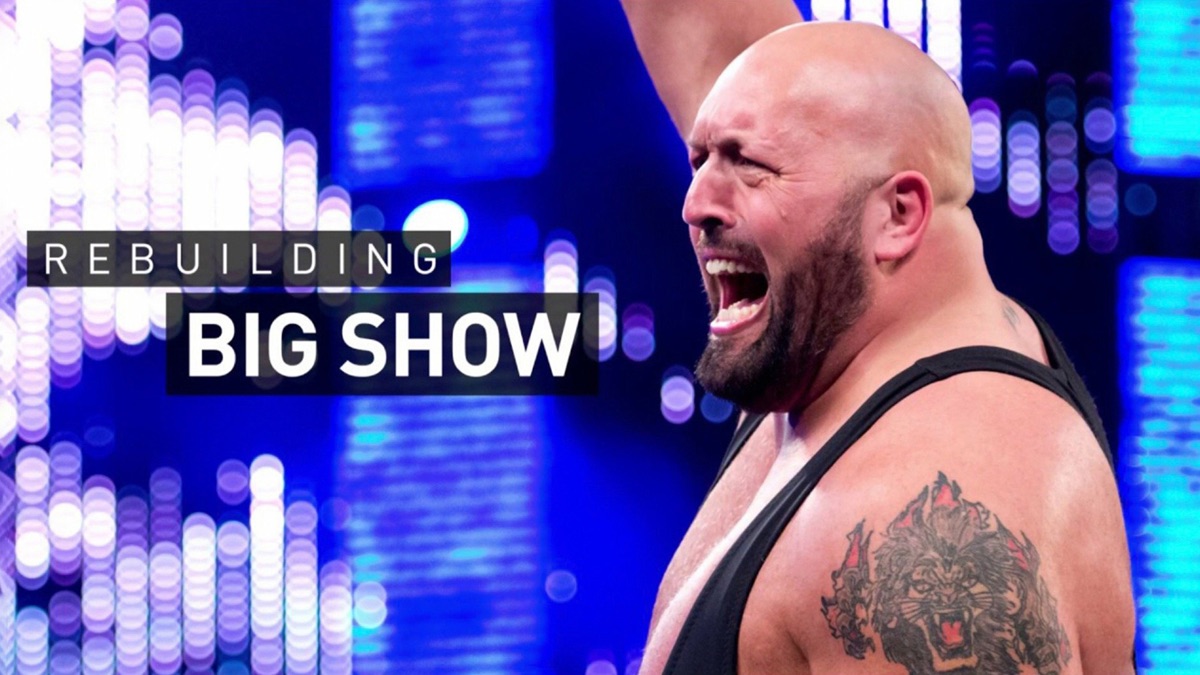
The Big Show's $118M Empire: How He Built It
When fans think of Paul Wight, they instantly picture a towering 7-foot-tall, 400-pound powerhouse dominating the squared circle. For decades, he was known around the world simply as The Big Show. However, behind the larger-than-life persona lies a savvy businessman who managed his earnings with remarkable discipline. This Is How The Big Show Built a $118 Million Empire – The Truth Inside! is a testament to longevity, reinvention, and smart financial management in the unpredictable world of professional wrestling and entertainment.

From WCW Giant to WWE Icon
Paul Wight did not stumble into financial success overnight. His journey began in the late 1990s when he burst onto the scene in World Championship Wrestling (WCW) as "The Giant." Recognizing his rare physical attributes, WCW signed him to a lucrative rookie contract that set a high financial baseline early in his career.
In 1999, Wight made the high-profile jump to the World Wrestling Federation (now WWE). Under Vince McMahon, he was rebranded as The Big Show and became a permanent fixture in the main event scene. Over more than two decades with WWE, Wight secured multi-million dollar downside guarantees, hefty merchandise royalties, and lucrative bonuses from pay-per-view events and international tours. By staying relevant across multiple eras of wrestling, he maintained a steady, high-level income stream.
Diversifying into Acting and Voiceover Work
Many professional athletes and wrestlers struggle financially after stepping away from their primary sport because they lack alternative revenue streams. Wight avoided this trap by aggressively branching out into mainstream media and acting.
Hollywood has a long-standing fascination with giants, and Wight capitalized on this by securing roles in both film and television. His diversification strategy included:
- Comedy Films: Starring alongside Adam Sandler in The Waterboy and playing lead roles in sports comedies like Knucklehead.
- Television Sitcoms: Landing his own Netflix original series, The Big Show Show, which introduced him to a younger, streaming-first demographic.
- Action and Animation: Lending his distinctive deep voice to animated projects and taking on action-oriented guest roles in popular television procedurals.
These acting gigs not only expanded his personal brand beyond sports entertainment but also brought in significant non-wrestling revenue, protecting his net worth from the physical toll and eventual end of his in-ring career.
Smart Real Estate and Business Investments
The core foundation of any lasting multimillion-dollar empire is intelligent asset allocation. While wrestling contracts provided the seed money, Wight’s portfolio expansion into real estate and private investments cemented his financial security.

Real Estate Holdings
Real estate has long been the preferred vehicle for high-net-worth athletes looking to preserve and grow capital. Wight invested heavily in residential and commercial properties across the United States. By purchasing properties during market dips and holding or flipping them strategically, he generated passive income that continues to yield returns independent of his active employment.
Endorsements and Licensing
Due to his immense global recognition, Wight secured numerous endorsement deals over the years. From video game cover appearances—such as starring in various WWE 2K franchises—to commercial partnerships with major brands, his likeness has consistently generated substantial secondary income.
Transitioning to AEW and Executive Roles
In 2021, Wight made waves in the industry by signing with All Elite Wrestling (AEW). This move was not just about lacing up his boots for occasional matches; it was a multi-faceted role that combined in-ring competition with commentary and backstage mentorship.
By securing a role that values his decades of institutional knowledge, Wight ensured that his late-career earnings remained high without requiring the grueling, full-time physical schedule of his younger years. This strategic transition allowed him to monetize his experience as a coach and broadcaster, proving that true professionals find ways to stay valuable even as their physical capabilities evolve.
Lessons From The Big Show’s Financial Success
Building an empire valued at over $100 million requires more than just physical gifts; it demands discipline, adaptability, and foresight. Paul Wight’s career offers several key takeaways for aspiring entrepreneurs and athletes:
- Longevity Matters: By taking care of his body and adapting his wrestling style over the decades, Wight prolonged his earning years far beyond the average career span.
- Never Rely on One Income Source: Balancing wrestling contracts with acting, voice work, and real estate prevented him from experiencing financial vulnerability.
- Protect the Brand: Wight maintained a professional reputation backstage, making him a reliable partner for networks, movie studios, and wrestling promoters alike.
Ultimately, The Big Show's journey from a rookie giant in WCW to a wealthy, multi-industry mogul proves that brains are just as important as brawn. Through calculated career choices and astute financial planning, Paul Wight secured a lasting legacy both inside and outside the ring.