The Billionaire Wealth of Russell Simmons—$300 Million
Few figures in American pop culture have bridged the gap between underground street culture and corporate boardrooms quite like Russell Simmons. Often hailed as the godfather of hip-hop business, Simmons transformed urban youth culture into an expansive, multi-category commercial engine. Yet, discussions around his financial status frequently mix myth with reality. Headlines often query The Billionaire Wealth of Russell Simmons—$300 Million, reflecting a persistent confusion over whether the music mogul ever crossed into ten-figure territory or whether his fortune peaked in the high hundreds of millions.
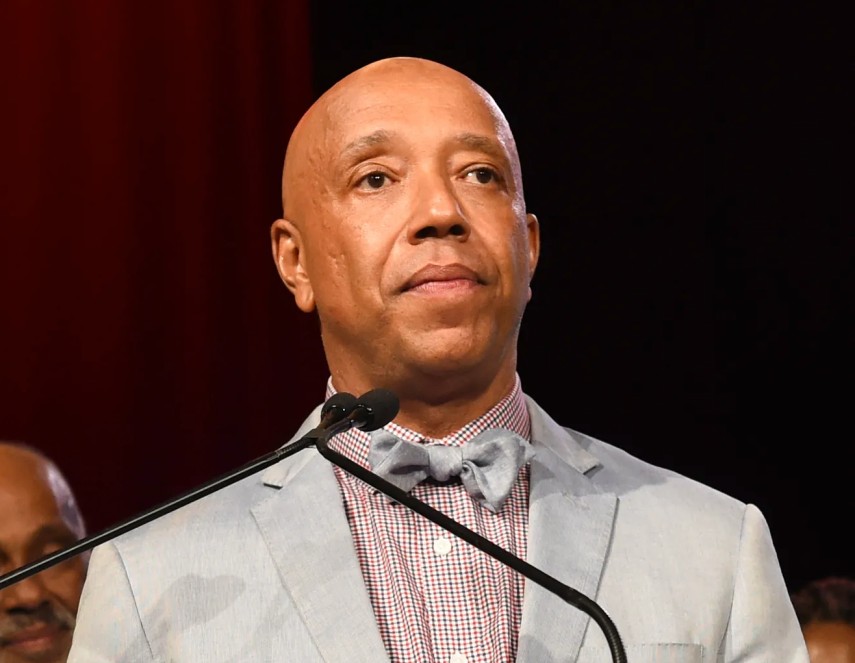
While Simmons has frequently appeared on lists honoring the wealthiest figures in entertainment, financial analysts and wealth trackers generally estimate his peak net worth at approximately $300 million to $340 million, rather than a billion. To understand how this fortune was generated—and why the "billionaire" tag often follows him—it is essential to analyze the pioneering ventures that made him one of the most successful urban entrepreneurs in history.
The Genesis: Def Jam Recordings and Modern Hip-Hop
Russell Simmons did not invent hip-hop, but he was among the very first executives to recognize its massive retail and commercial potential. In 1984, Simmons joined forces with producer Rick Rubin inside an NYU dorm room to found Def Jam Recordings. Starting with minimal capital, the duo built a platform that turned street poetry into stadium anthems.
Def Jam rapidly assembled a legendary roster of talent that defined the golden age of hip-hop, including:
- Run-DMC: Managed by Simmons' Rush Productions, proving rap acts could sell millions of albums and land major corporate endorsements (such as their historic Adidas deal).
- LL Cool J: One of the label's earliest breakout solo superstars.
- Beastie Boys: Bringing hip-hop into mainstream suburban rock and pop charts.
- Public Enemy: Delivering politically charged anthems that commanded critical acclaim and global sales.
By the 1990s, Def Jam had become a dominant cultural force. In 1994, PolyGram bought a 50% stake in the label. When PolyGram was subsequently acquired by Seagram and folded into Universal Music Group in 1999, Simmons sold his remaining stake in Def Jam for an estimated $100 million. This liquidity event established Simmons as a certified multi-millionaire with liquid capital ready for new ventures.
Phat Farm: Pioneering Urban Streetwear as High Fashion
Simmons’ most lucrative endeavor outside the recording studio was Phat Fashions. Launched in 1992, the flagship brand, Phat Farm, began as a small boutique in Manhattan's SoHo district. While traditional corporate fashion houses treated hip-hop style as a passing trend, Simmons envisioned a complete lifestyle brand combining classic preppy aesthetics with hip-hop attitude.
The label expanded rapidly throughout the late 1990s and early 2000s, adding the wildly popular women's line Baby Phat, overseen by his then-wife Kimora Lee Simmons. At its peak, Phat Fashions generated hundreds of millions of dollars in annual retail sales across clothing, outerwear, fragrances, and accessories.
In 2004, Simmons capitalized on the peak valuation of the streetwear boom. He sold Phat Fashions to the Kellwood Company for $140 million in cash. The transaction proved Simmons was far more than a music producer; he was a master brand architect capable of building consumer companies from scratch and executing nine-figure corporate exits.
The Billionaire Wealth of Russell Simmons—$300 Million Reality
Given the immense gross revenue generated by his enterprises, it is easy to see why observers frequently conflate total enterprise value with personal wealth. When evaluating the billionaire wealth of Russell Simmons—$300 million serves as the realistic, verified estimate of his net worth at his peak, rather than the billion-dollar milestone reached later by peers like Jay-Z or Dr. Dre.
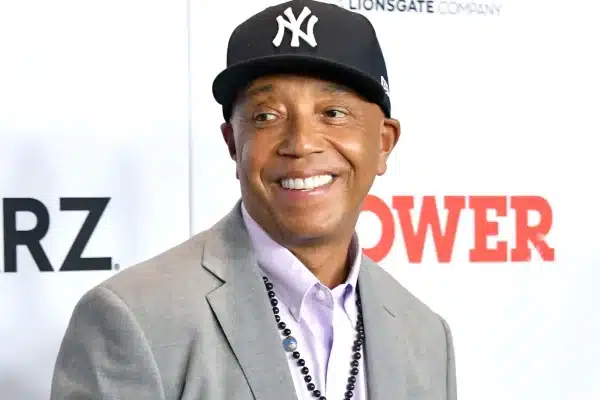
Why did Simmons not reach billionaire status despite running such massive cultural brands? Several factors explain the gap between brand valuation and personal balance sheets:
- Equity Dilution and Partners: While Def Jam and Phat Fashions did extraordinary volume, Simmons shared equity with partners, investors, and parent conglomerates.
- Taxes and Operational Expenses: Major asset sales bring significant capital gains tax obligations, reducing the liquid proceeds that enter an individual's personal portfolio.
- Licensing vs. Full Ownership: Many product extensions were licensing deals that yielded royalties rather than enterprise equity ownership.
- Market Timing: Simmons exited his largest enterprises in the late 1990s and mid-2000s, before modern tech valuations, streaming rights, and direct-to-consumer margins inflated entertainment net worths into ten figures.
Financial Services: The RushCard Disruption
Always alert to underserved demographics, Simmons ventured into fintech in 2003 with the creation of UniRush LLC, the company behind the prepaid Visa RushCard. Designed to provide financial access to the millions of "unbanked" Americans shut out of traditional banking institutions, RushCard became an early pioneer in the prepaid debit card market.
The venture was not without controversy, including regulatory scrutiny and a high-profile technology outage in 2015 that temporarily froze cardholder funds. Nevertheless, the business remained highly profitable. In 2017, Green Dot Corporation acquired UniRush LLC for up to $147 million ($114 million in cash plus performance-based earn-outs), providing Simmons with yet another massive payout.
Media, Publishing, and Lifestyle Holdings
Beyond fashion, music, and fintech, Simmons accumulated substantial wealth through diverse media and lifestyle assets:
- Def Comedy Jam & Def Poetry Jam: HBO properties that elevated Black comedians and poets while producing steady syndication and broadcast revenue.
- Publishing: Multiple best-selling books on entrepreneurship, yoga, and mindfulness, including Do You! and Super Rich.
- Film Production: Co-producing hit films such as The Nutty Professor franchise via Def Pictures.
- Real Estate: Extensive luxury properties over the years in Manhattan, the Hamptons, and Los Angeles.
Legal Challenges and Current Financial Standing
Simmons’ financial trajectory shifted dramatically starting in late 2017, when multiple women leveled allegations of sexual misconduct and assault against him—claims he has repeatedly denied. In the wake of these allegations, Simmons stepped down from his various companies and production units.
In subsequent years, Simmons relocated to Bali, Indonesia, significantly scaling back his public involvement in Western corporate ventures. Legal defenses, settlements, brand fallout, and ongoing litigation with former business partners and his ex-wife have undoubtedly placed pressure on his liquidity and overall net worth. While he maintains significant capital, his current financial footprint is far more private and insulated than it was during his peak years in New York and Hollywood.
Summary: The Financial Legacy of Russell Simmons
The story of Russell Simmons’ wealth demonstrates how hip-hop evolved from a regional subculture into a multi-billion-dollar global industry. While he never officially crossed the threshold into the billionaire club, his estimated $300 million peak fortune laid the blueprint for modern cultural capitalists. By systematically leveraging music fame into fashion, media, and financial services, Simmons proved that hip-hop culture could command nine-figure exits in mainstream corporate America.