The Catholic Church's Untold Net Worth
Unraveling the Mystery of Church Wealth

For centuries, the global Catholic Church has captured the imagination of historians, economists, and the faithful alike. Beyond its spiritual influence, the institution manages a vast, decentralized empire of assets. Yet, pinning down an exact figure for the Catholic Church's untold net worth remains notoriously difficult. Unlike publicly traded corporations, the Church is not a single economic entity. Instead, it operates through a complex web of dioceses, religious orders, parishes, and Vatican departments scattered across the globe.
Popular culture often paints a picture of boundless gold and overflowing vaults beneath St. Peter's Basilica. The reality, however, is far more nuanced. While the Vatican holds priceless cultural treasures, many local dioceses struggle with day-to-day operational budgets, aging infrastructure, and declining membership in the West. To understand how the institution manages its immense portfolio, we have to look past the myths and examine the actual structure of Catholic wealth.
The Myth vs. Reality of Vatican Riches
When people think of Vatican City wealth, they often picture literal mountains of precious metals. In truth, the Holy See's liquid assets are relatively modest compared to multinational corporations or sovereign wealth funds. The misconception stems from the sheer historical weight of the institution.
Vatican City itself is a sovereign state, but its economic engine is managed by specific offices, most notably the Administration of the Patrimony of the Apostolic See (APSA) and the Secretariat for the Economy. These bodies oversee the Holy See's real estate holdings, Italian investments, and sovereign funds. While the numbers run into the billions, they are heavily offset by operational costs, pension liabilities, and charitable endeavors worldwide.
Real Estate: The Foundation of Global Assets
Real estate forms the bedrock of the Catholic Church's untold net worth. The institution is arguably the largest non-governmental property owner on earth, holding land and buildings on every inhabited continent.
Vatican-Owned Properties in Europe
APSA manages thousands of properties, primarily in Italy, but with significant holdings in France, Switzerland, and the United Kingdom. These include residential apartments, commercial spaces, and historic palazzos. For many years, a significant portion of this portfolio was tax-exempt or under-monetized, but recent financial reforms under Pope Francis have pushed for greater market-rate rentals and transparency.
Parishes and Dioceses Worldwide
Video: Do Catholics Worship Saints?
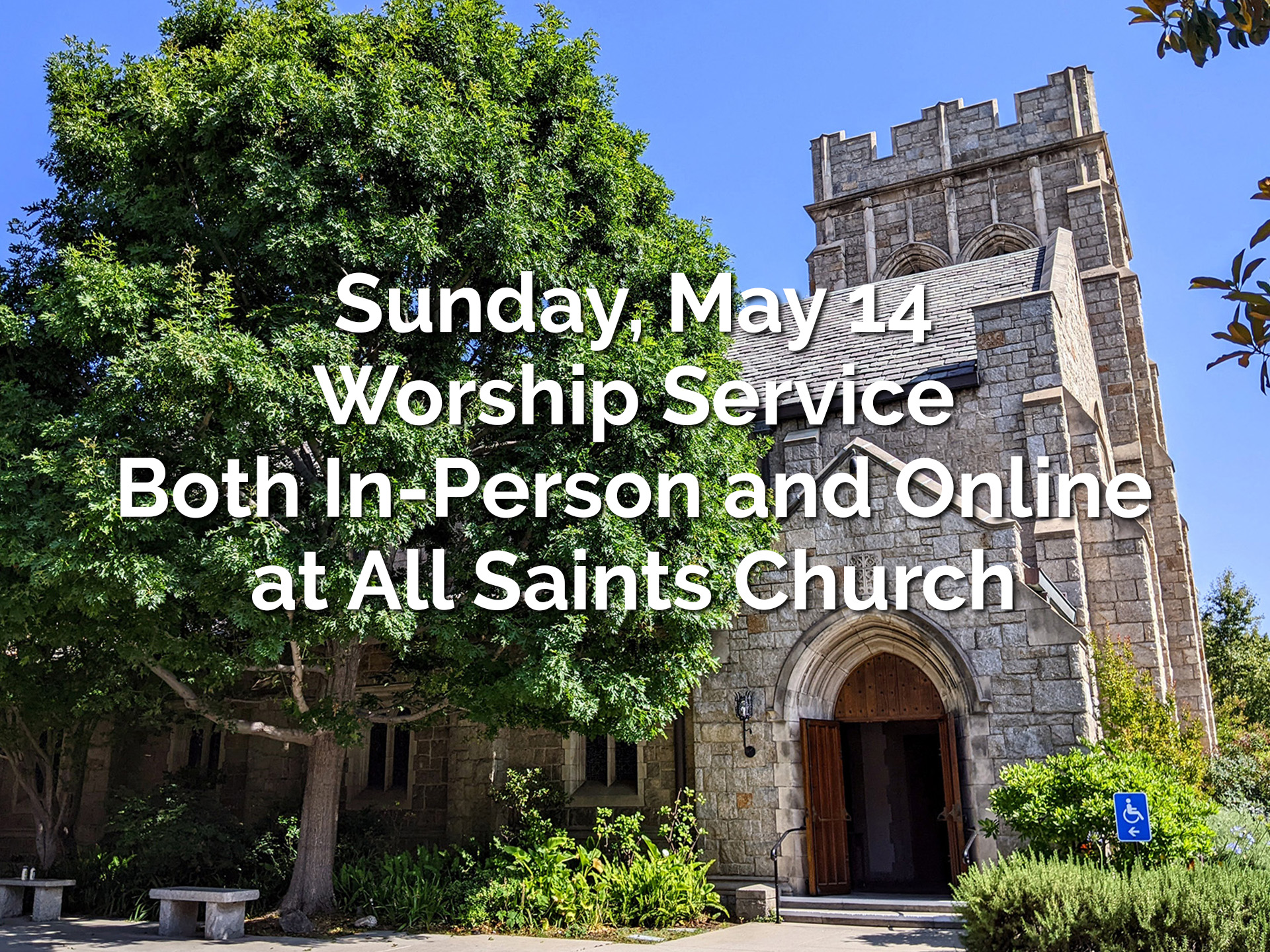
It is vital to distinguish between Vatican property and local church property. Every local diocese legally owns its churches, schools, hospitals, and administrative buildings. A diocese in Chicago, Munich, or Sydney manages its own balance sheet independently of Rome. Consequently, the total global value of Catholic real estate is an aggregate of millions of individual local parcels, ranging from humble rural chapels to sprawling cathedral complexes.
Priceless Art and Cultural Heritage
No discussion of Catholic wealth is complete without mentioning its cultural holdings. The Vatican Museums house some of the most famous artworks in human history, including Michelangelo's Sistine Chapel ceiling, works by Raphael, and countless classical antiquities.
However, art historians and economists generally agree that these items have no practical net worth. They are classified as inalienable cultural heritage. The Holy See cannot sell the Mona Lisa or the Sistine Chapel to pay off a budget deficit. These treasures belong to humanity and are preserved for education, faith, and history. While insured for staggering sums, they generate revenue primarily through ticket sales at the Vatican Museums rather than liquidation value.
Financial Institutions and Investments
The financial architecture of the Holy See has undergone dramatic shifts over the last few decades, moving away from past scandals toward modern, regulated practices.
- The Institute for the Works of Religion (IOR): Commonly known as the Vatican Bank, the IOR manages accounts for religious orders, clergy, and Vatican employees. It does not operate like a commercial retail bank.
- Global Equities and Bonds: APSA invests in diversified portfolios, including international stocks and government bonds, aiming for steady returns to support the Roman Curia's administrative needs.
- Ethical Screening: Modern Vatican investment guidelines strictly prohibit funding companies involved in abortion, weapons manufacturing, pornography, or environmentally destructive practices.
Stealth Safeguards: Modern Financial Reforms
For decades, Vatican finances were notoriously opaque, earning a reputation for secrecy that invited speculation and mistrust. In response, recent pontiffs have instituted strict compliance measures to protect the Church's assets and restore public confidence.
The creation of the Secretariat for the Economy brought centralized auditing to all Vatican departments. Furthermore, the Holy See subjected itself to evaluations by MONEYVAL, the Council of Europe’s anti-money laundering monitoring body. These stealth safeguards ensure that donations, investments, and operational funds are tracked meticulously, aligning Vatican financial management with international standards of transparency.
Conclusion: Balancing Stewardship and Transparency
The Catholic Church's untold net worth is a fascinating study in contrast: a mix of priceless historical heritage, vast global real estate, and modern financial restructuring. While the institution commands immense economic resources, those assets are heavily decentralized and largely tied to pastoral, educational, and charitable missions. As ongoing reforms continue to shed light on Vatican balance sheets, the Church moves steadily toward a future defined less by hidden vaults and more by accountable, modern stewardship.