The Classic 1970 Freightliner: History & Specs
Introduction to the 1970 Freightliner
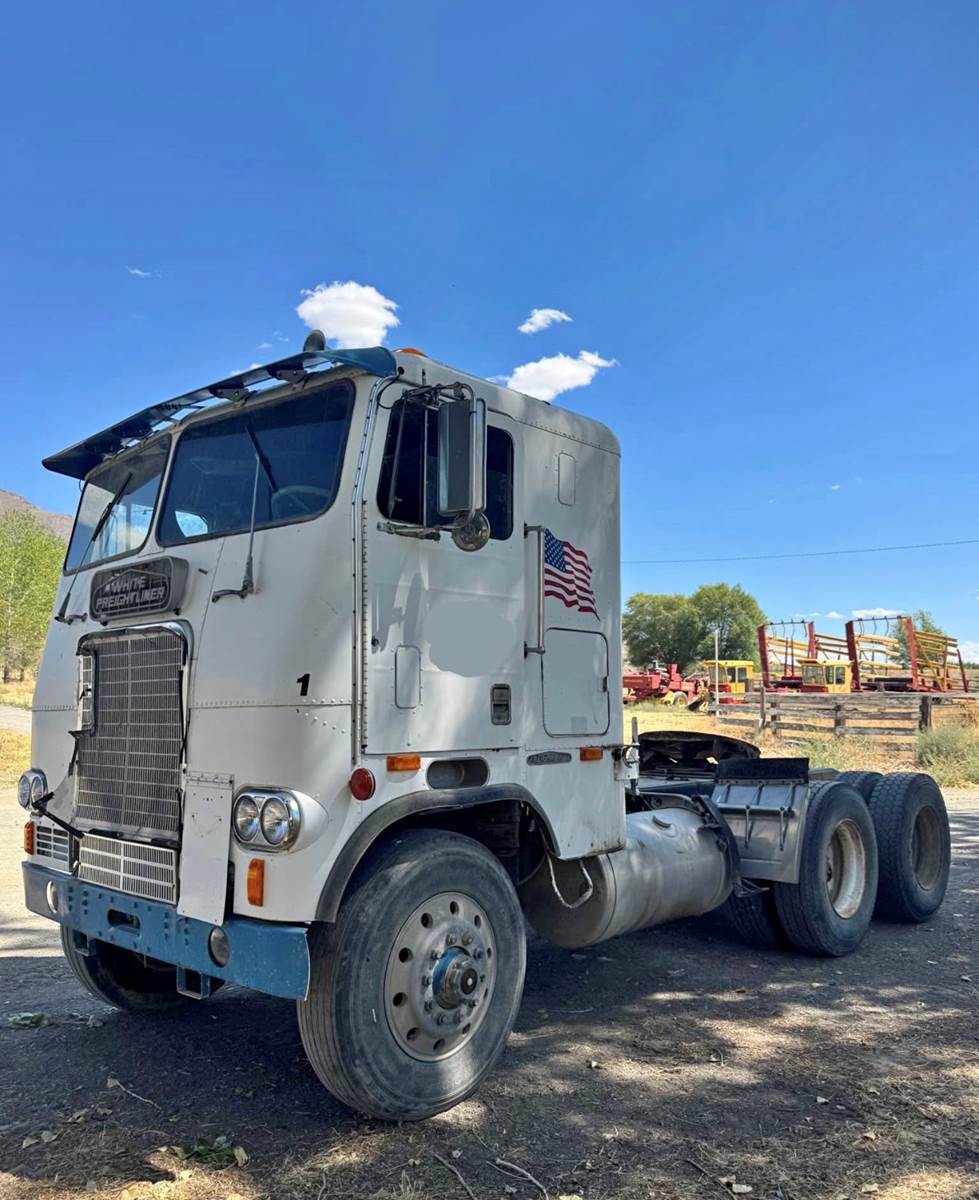
The trucking industry underwent massive transformations during the late 1960s and early 1970s. As interstate highways expanded across the United States, logistics companies demanded heavier, more reliable, and more efficient commercial haulers. Stepping into this era of rapid expansion, the 1970 Freightliner established itself as a pioneering workhorse on American asphalt. Known for its distinct lightweight aluminum construction and signature cabover design, this vintage heavy-duty truck helped shape the modern freight industry.
Today, classic truck enthusiasts and restorers hold the 1970 Freightliner in high regard. It represents a golden age of mechanical diesel power before emissions regulations and computer controls completely changed the cabin experience. Whether you are researching a potential restoration project or simply love vintage iron, understanding the engineering and history of this iconic semi provides a fascinating look back in time.
Design and Engineering Innovation
Freightliner, originally tied closely to Consolidated Freightways, built its reputation on a simple premise: maximize payload capacity by minimizing tare weight. This philosophy heavily influenced every truck rolling off the production line in 1970.
Lightweight Aluminum Construction
Weight is the enemy of efficiency in the trucking business. Every pound saved on the tractor translates directly into an extra pound of revenue-generating cargo in the trailer. Freightliner was an early adopter of aluminum for cab structures, frame rails, and crossmembers. The 1970 Freightliner featured extensive use of aluminum alloys, making it significantly lighter than many of its steel-heavy competitors like Mack or Chevrolet heavy-duty units of the same decade.
The Dominance of the Cabover (COE)
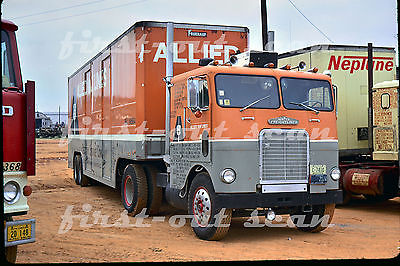
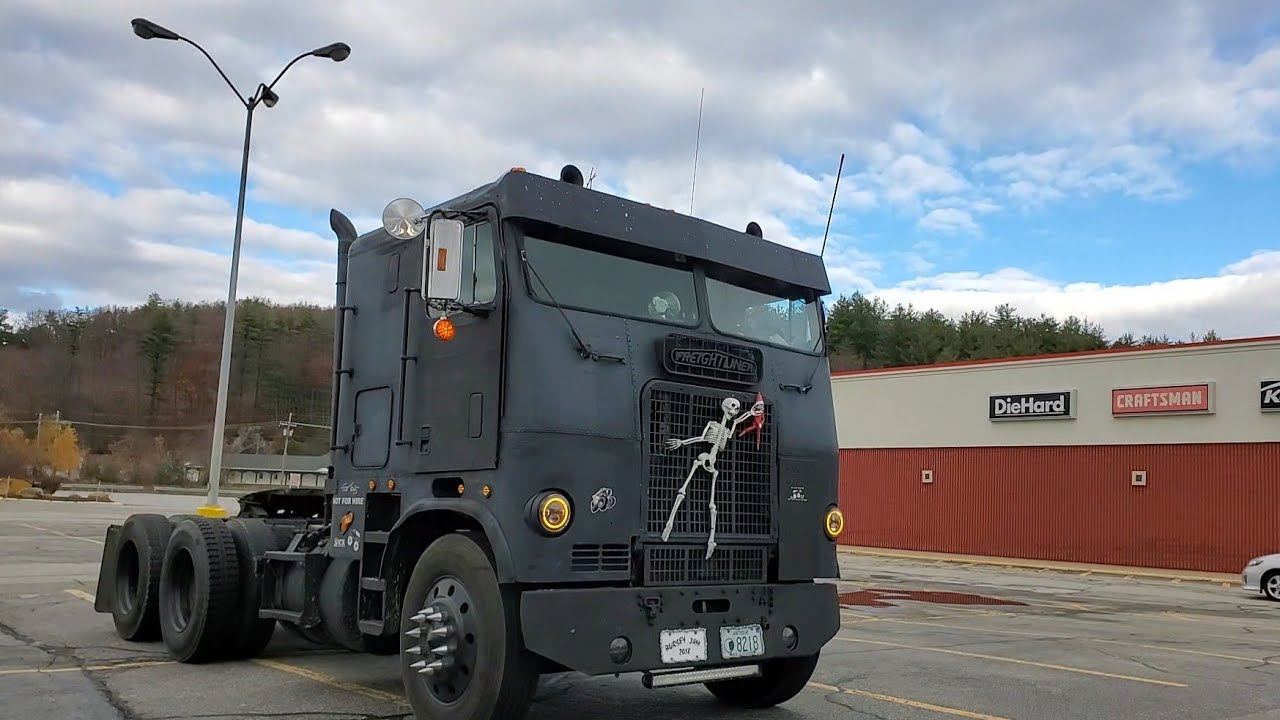
In 1970, length laws for commercial vehicles were much stricter across various states. To maximize trailer length while keeping the overall combination under statutory limits, operators favored Cab-Over-Engine (COE) configurations. A typical 1970 Freightliner COE featured a flat-front design where the driver sat directly above the front steering axle. While these cabs required a hydraulic tilt mechanism to access the engine—and often provided a bumpier ride due to the seating position over the wheels—they offered unmatched maneuverability and visibility in tight loading docks.
Popular Engine and Powertrain Options
Underneath the tilt cab, the 1970 Freightliner was typically outfitted with legendary heavy-duty diesel engines sourced from trusted manufacturers of the era. Buyers had customizable options depending on their hauling needs, regional terrain, and fleet preferences.
- Cummins Engines: The Cummins NTC series, particularly the popular small-cam and big-cam variants of the inline-six 855 cubic-inch diesel, offered robust reliability and easy roadside servicing.
- Detroit Diesel: The loud, smoky, and high-revving Detroit Diesel 8V71 and 6V71 two-stroke engines were frequent choices for operators who loved distinctive sound and straightforward mechanical repair.
- Caterpillar: Cat powerplants, such as the 3406 or earlier V-configurations, provided immense torque for heavy regional and mountain hauling.
These powerplants were usually paired with heavy-duty manual transmissions. Roadranger 9-speed, 13-speed, and 15-speed transmissions from Fuller were the industry standard, requiring skilled double-clutching from drivers who mastered the open road.

Life Behind the Wheel
Driving a 1970 Freightliner was vastly different from operating a modern, automated Cascadia. The cabin was purely utilitarian, focusing on mechanical feedback rather than creature comforts.
The Interior Experience
Inside the cab, drivers faced a sprawling dashboard filled with analog gauges monitoring oil pressure, water temperature, air brake pressure, and pyrometers. Air conditioning was often an expensive dealer-installed option rather than standard equipment, meaning summer driving relied heavily on vent windows and the breeze rushing through the cab. For sleeper configurations, small bunks were built directly behind the seats, offering a cramped but functional resting space for long-haul team drivers.
Handling and Ride Quality
Because the driver sat right over the front axle in the COE models, vertical movement over bumps could be jarring. Leaf spring suspensions were standard, though air ride options began gaining popularity around this time to improve driver comfort. Steering required muscle, especially at low speeds, as power steering was still evolving into the refined systems we see today.
Legacy and Restoring a Vintage Freightliner
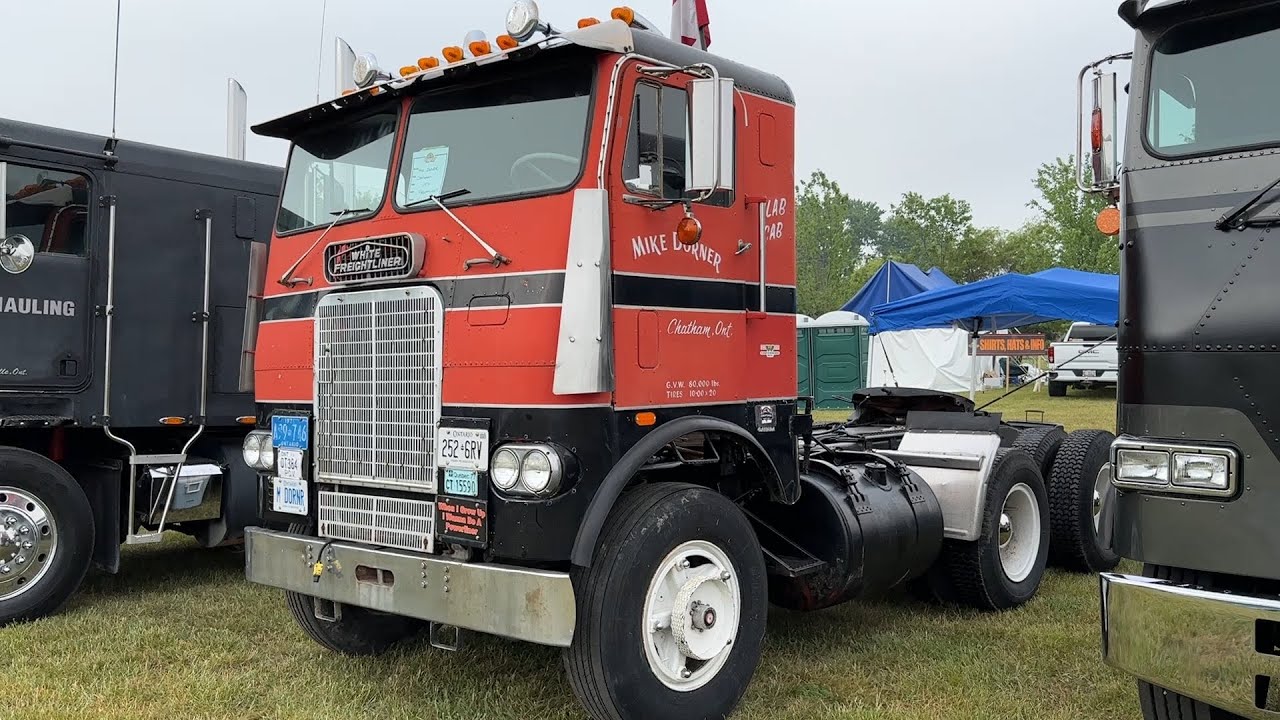
Decades after retiring from cross-country interstate routes, the 1970 Freightliner enjoys a vibrant second life in the antique truck hobby. Truck shows across North America regularly feature meticulously restored COE models sporting vintage two-tone paint schemes, polished aluminum drop bumpers, and dual vertical exhaust stacks.
Finding parts for a restoration can present challenges, but the heavy-duty commercial nature of these trucks means many mechanical components share cross-compatibility with other vocational trucks of the era. Enthusiasts value these machines because they represent an era when heavy trucks were entirely mechanical, repairable with basic hand tools, and built with undeniable character.
Conclusion
The 1970 Freightliner stands as a monumental achievement in American commercial vehicle manufacturing. By prioritizing lightweight aluminum design and dependable diesel power, it helped move the freight that built modern supply chains. Whether viewed through the lens of industrial history or nostalgic appreciation, this classic rig remains a beloved icon of the American highway.