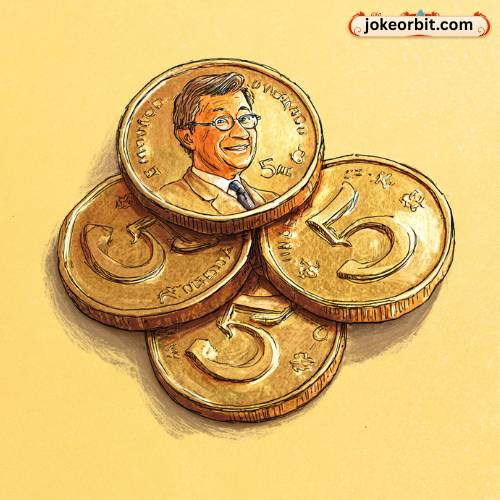
The Classic 5 Penny Joke Explained
Humor often comes in unexpected packages, and few forms of wit are as enduring as simple, clean wordplay. Among retro riddles and nostalgic humor, the 5 penny joke holds a special place. Whether you heard it from a grandparent or stumbled across it in an old joke book, this classic piece of Americana continues to charm audiences of all ages with its innocent misdirection.

What is the 5 Penny Joke?
At its core, the 5 penny joke is a classic misdirection riddle built around everyday currency and simple math. Like many traditional jokes from the mid-20th century, it relies on setting up an assumption in the listener's mind and then subverting it with a punchline that plays on words rather than complex logic.
While variations exist depending on the storyteller, the setup usually involves a transaction, a specific monetary amount, and a whimsical character or an impossible scenario. The humor does not stem from biting satire or modern cynicism; instead, it offers a wholesome chuckle that makes it safe and enjoyable for family gatherings, school classrooms, and casual storytelling.
The Setup and the Punchline
To understand why this bit of folklore endures, let's look at how the traditional delivery unfolds:
- The Setup: The storyteller introduces a scenario involving a specific item or service worth a very small amount—historically, five pennies or a nickel.
- The Progression: A series of seemingly logical questions or conditions are established to test the listener's reasoning skills.
- The Twist: The punchline introduces a nonsensical physical reality or a pun that instantly shatters the serious tone of the math problem.
Because the punchline catches people off guard, it usually elicits either an immediate groan or a hearty laugh. That delightful reaction is precisely why people have passed it down through generations without the need for digital screens or viral social media algorithms.
The History of Penny Humor
Video: The Penny Joke 5 pennies

To appreciate the 5 penny joke, it helps to look at the history of coinage in comedy. For centuries, small denominations like pennies, farthings, and nickels have played a central role in folklore, idioms, and children's riddles. Phrases like "a penny for your thoughts" or "bad penny" show how deeply embedded copper coins are in our cultural lexicon.
During the early-to-mid 1900s, print media—such as newspaper comic strips, children's magazines, and pocket-sized joke books—boomed. Authors and columnists needed short, snappy content that could fill a blank column inch on a page. The 5 penny joke fit these space constraints perfectly. It required no elaborate backstory, featured relatable everyday objects, and could be understood by both children and adults in a matter of seconds.
Why Simple Wordplay Endures
In today's fast-paced digital world, comedy has evolved to include complex memes, situational irony, and fast-cut video formats. Yet, traditional riddles and simple jokes maintain a dedicated following. Here is why the 5 penny joke and similar bits of wit remain relevant:
- Universal Appeal: You do not need specialized cultural knowledge or technical expertise to understand the humor. Anyone who recognizes basic currency can follow along.
- Family-Friendly Nature: Clean humor is increasingly valued in educational settings and family environments where parents want wholesome entertainment.
- Cognitive Engagement: Even though the punchline is silly, the riddle format requires the listener to pause, think about the premise, and engage mentally for a brief moment.
How to Tell the Joke Effectively
Delivery is everything when it comes to classic comedy. If you want to share the 5 penny joke at your next social gathering, keep these performance tips in mind:
- Keep a Straight Face: Deliver the setup with absolute seriousness, as if you are presenting a genuine mathematical puzzle or financial transaction.
- Pacing: Pause slightly before delivering the punchline to give your audience time to mentally calculate an answer, increasing the comedic contrast.
- Know Your Audience: While the humor is harmless, it works best with crowds who appreciate vintage puns and nostalgic riddles.
Conclusion
The 5 penny joke may be a relic of a simpler era, but its charm has not faded. By relying on innocent misdirection and playful language, it reminds us that comedy doesn't have to be complicated to be effective. Whether you are teaching a child their first riddle or reminiscing about old-school humor with friends, keeping a few classic pennies of wisdom in your comedic pocket is always worthwhile.