The Click Calculator: See Your Budget Shift
Understanding Financial Micro-Habits
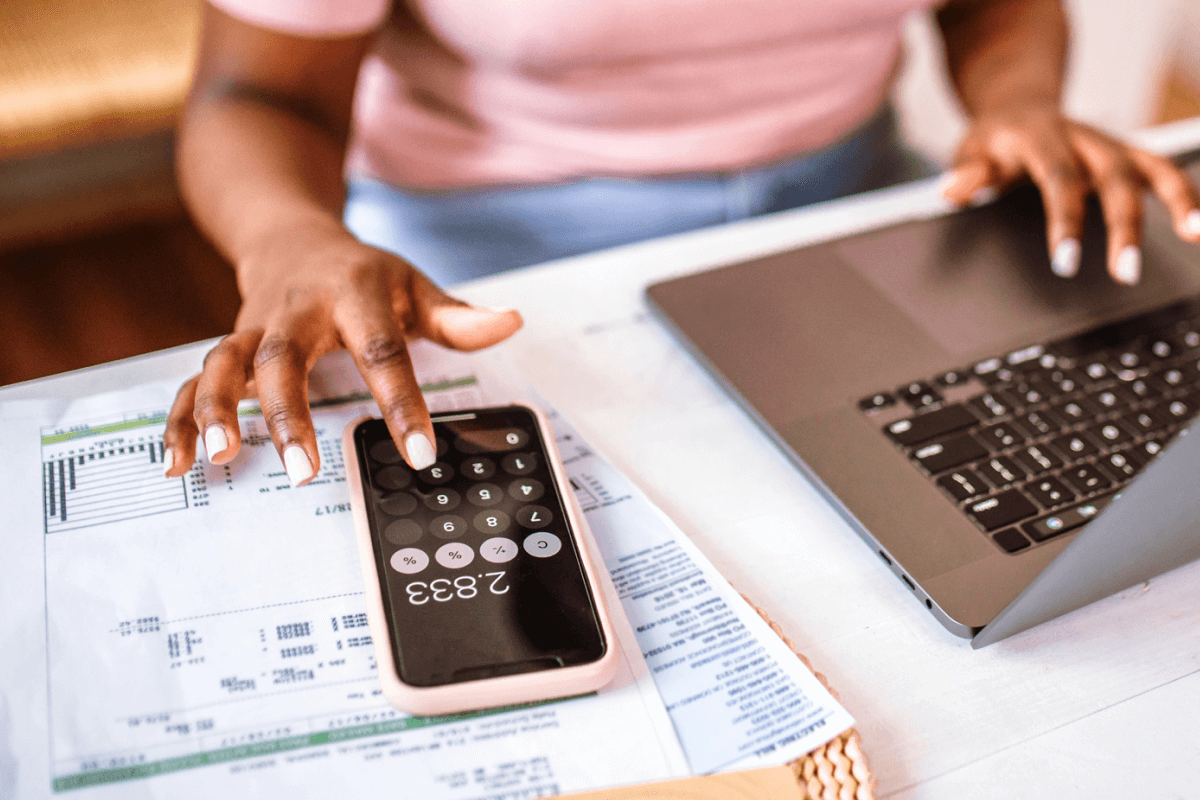
Modern commerce is designed to make spending frictionless. With one-click ordering, saved credit card information, and instant digital checkouts, buying something has never been easier. Unfortunately, this convenience makes it dangerously simple to lose track of outgoing cash. Every minor purchase feels insignificant in the moment, but these micro-transactions accumulate over time, quietly draining your hard-earned savings.
To break this cycle, you need a way to visualize the true cost of your digital habits. This is where The Click Calculator—See How One Action Fundamentally Changes Your Budget! comes into play. By looking past the immediate price tag and evaluating the long-term opportunity cost, you can completely transform how you view online spending.
What Is a Click Calculator and How Does It Work?
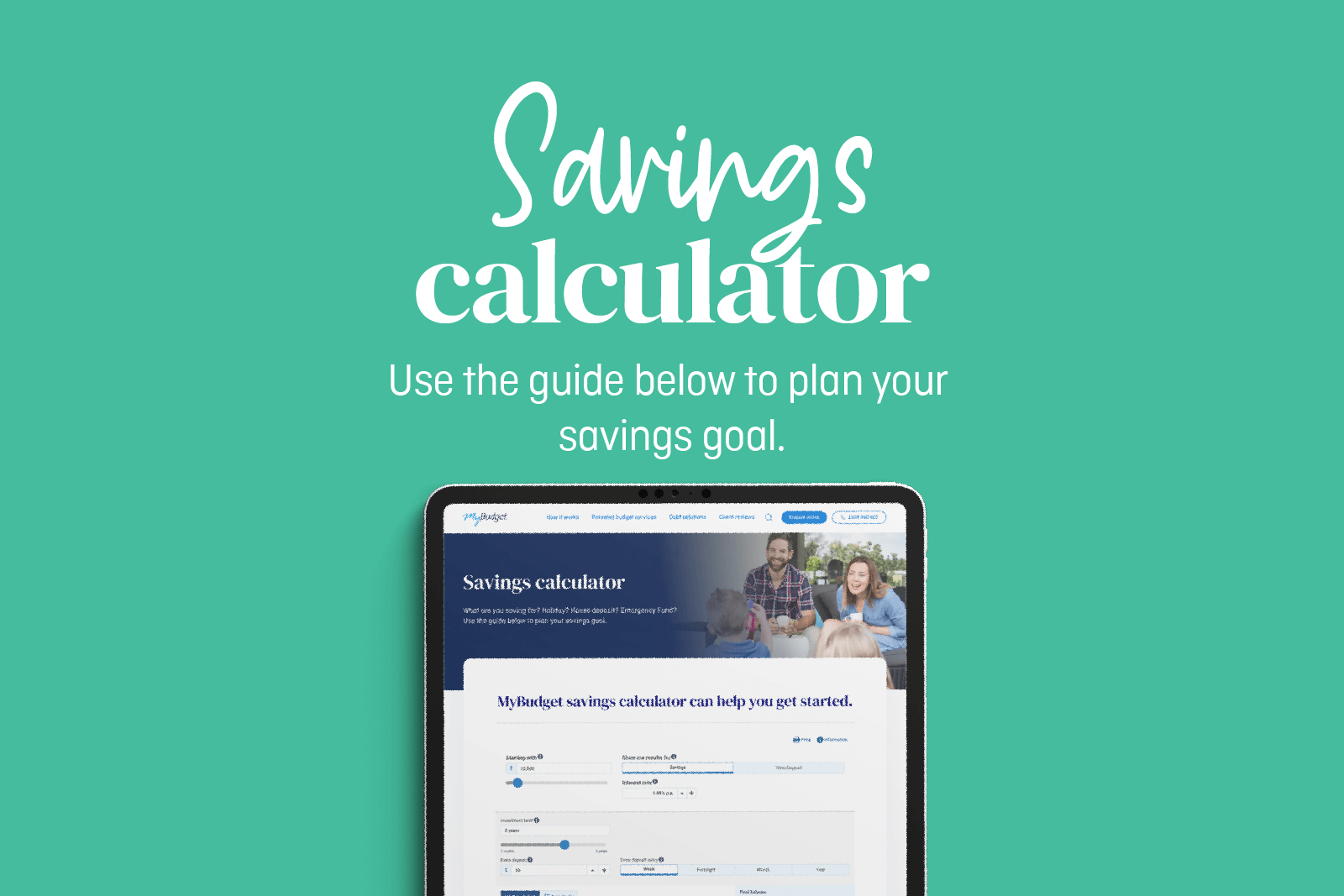
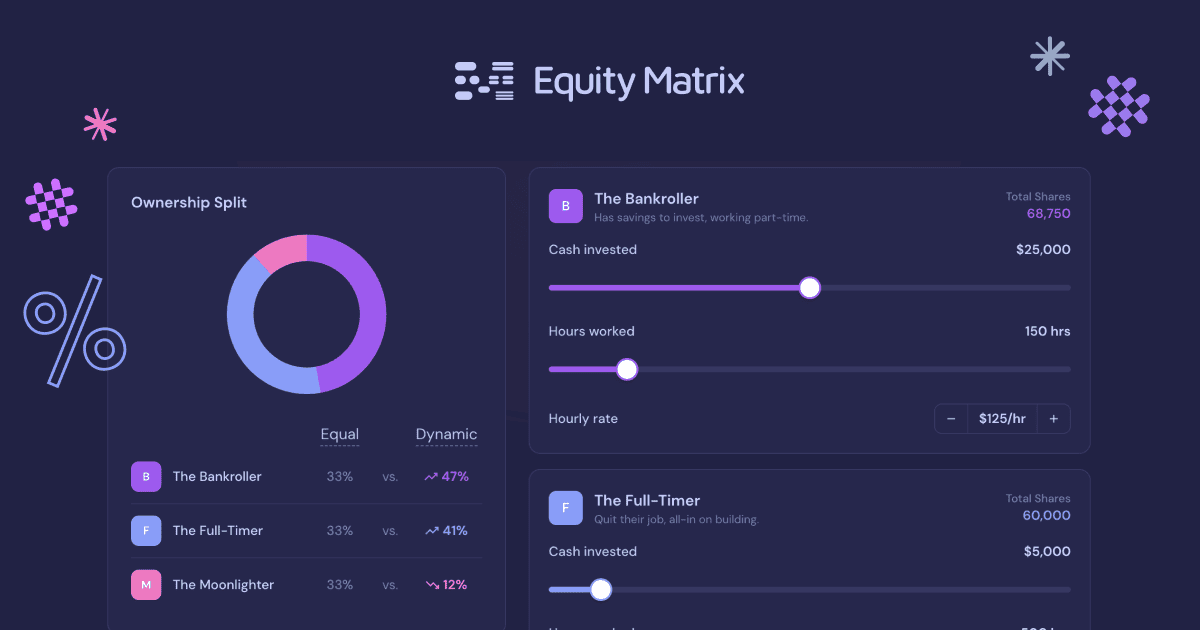
A click calculator is a conceptual and practical tool used to measure the financial ripple effect of your online purchasing behavior. It takes a single routine action—such as buying a daily $5 coffee subscription online, making a $50 impulse purchase every weekend, or clicking 'buy now' on targeted social media ads—and projects its impact across weeks, months, and years.
When you input a single expense, the calculator doesn't just multiply it by twelve. A robust financial evaluation also factors in:
- Opportunity Cost: What that money could have earned if invested in a retirement account or high-yield savings account.
- Frequency Creep: How a one-time click often morphs into a recurring subscription or a weekly habit.
- Income Hours: How many hours of actual work are required to cover the cost of that single digital click.
The Psychology Behind the 'Buy Now' Button
Retailers invest billions of dollars into user experience design to reduce cognitive friction. When you shop online, your brain experiences a miniature dopamine hit when you find something you like. The act of clicking the button satisfies an immediate psychological craving, while the pain of paying is delayed until your credit card statement arrives weeks later.
This disconnect allows lifestyle inflation to creep in unnoticed. You might justify a $20 purchase because it fits within your daily allowance, but when repeated four times a week, that single habit costs nearly $4,000 a year. Recognizing this psychological trap is the first step toward reclaiming control over your financial narrative.
How One Action Fundamentally Changes Your Budget
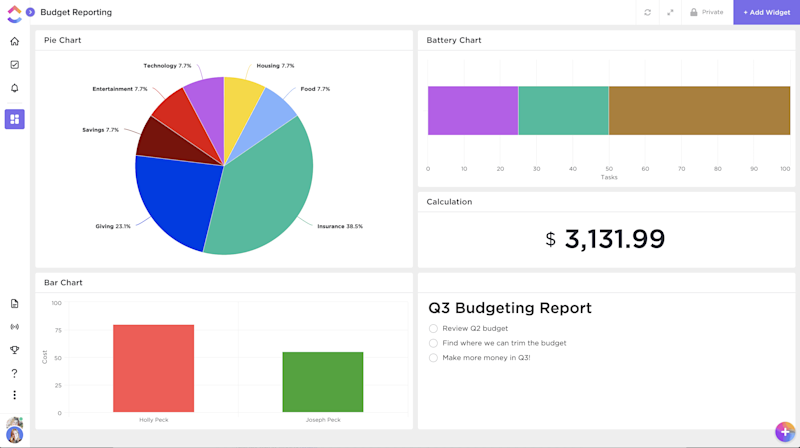
It is easy to view a budget as a rigid spreadsheet filled with fixed expenses like rent, utilities, and insurance. However, discretionary spending is where budgets truly live or die. A single purchasing habit can alter your financial trajectory in several profound ways:
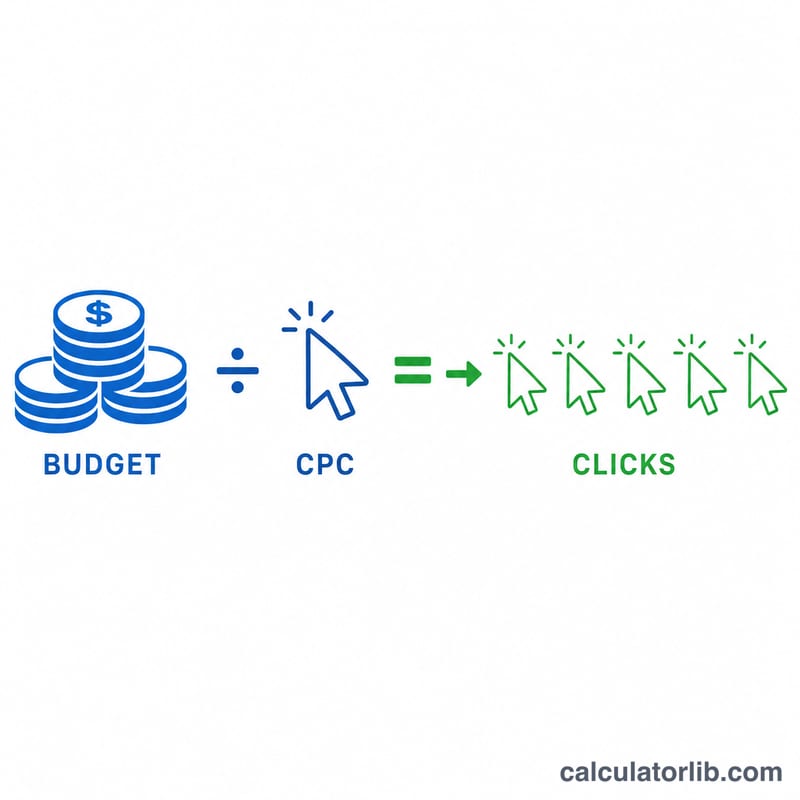
1. Disrupting the Savings Rate
Every dollar spent on an impulse click is a dollar diverted away from your future self. If you aim to save 20% of your income, unplanned online purchases often eat directly into that allocation. By eliminating just two unnecessary online orders per week, many people find they can instantly double their monthly investment contributions.
2. Triggering Debt Accumulation
Micro-purchases are frequently charged to credit cards rather than funded by checking account cash balances. If these balances are not paid off in full every month, the compounding interest turns a $30 online purchase into a much more expensive burden. A click calculator helps reveal how impulse shopping can inadvertently trap you in a revolving credit cycle.
3. Shifting Your Financial Mindset
Perhaps the most powerful benefit of evaluating your clicks is the psychological shift it creates. When you train yourself to pause and calculate the downstream effects of a purchase, you develop stronger financial discipline. You start valuing financial security and freedom far more than the temporary thrill of a package arriving at your doorstep.
Practical Steps to Curb Impulse Spending
Once you use a click calculator to see the true cost of your online habits, you will likely want to take corrective action. Implementing a few friction-adding strategies can help protect your wallet:
- Delete Saved Payment Info: Force yourself to manually enter your 16-digit credit card number for every online purchase. That extra 60 seconds of effort gives your rational brain time to overrule your impulse.
- Implement the 48-Hour Rule: When you feel the urge to buy something non-essential, add it to your cart or wishlist and wait 48 hours. More often than not, the urge will pass.
- Audit Your Subscriptions: Review your bank statements quarterly for recurring charges tied to services or apps you no longer use.
Conclusion: Take Control of Your Digital Wallet
Your financial future is not built on massive, life-altering monetary decisions alone. Instead, it is shaped by the hundreds of tiny, everyday choices you make—especially online. By understanding how a single action ripples through your finances, you can use the principles of a click calculator to curb impulse buying, protect your savings, and build a resilient budget that supports your long-term goals.