The Condom Breakage Conundrum Solved
Understanding The Condom Breakage Conundrum Solved
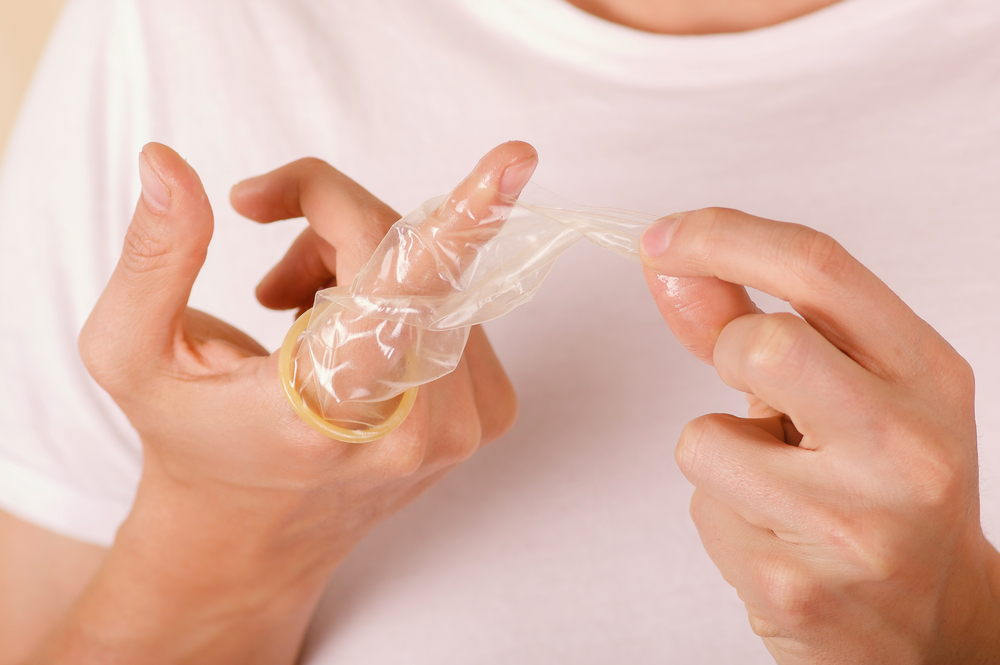
Few moments in a bedroom are as instantly panic-inducing as the unmistakable snap or roll of a failing barrier method. Experiencing a failure can send a wave of anxiety through anyone, immediately raising concerns about unintended pregnancies and sexually transmitted infections (STIs). However, understanding why these incidents happen is the first step toward prevention. When you unravel the condom breakage conundrum solved with the right knowledge, you can restore confidence in your barrier methods and protect your sexual health.
While modern manufacturing standards make high-quality latex and polyurethane barriers remarkably resilient, they are not entirely indestructible. By identifying the root causes of failure—ranging from improper storage to incorrect sizing—you can drastically reduce your risk of experiencing another mishap.
Why Do Condoms Break? Common Culprits
Condoms rarely fail due to a random manufacturing defect. Instead, user error is responsible for the vast majority of mishaps. Recognizing these everyday mistakes helps ensure your barrier protection remains intact.
Friction and Inadequate Lubrication
Friction is public enemy number one when it comes to barrier failure. Without sufficient lubrication, the constant rubbing creates immense stress on the latex, leading to tears. This is particularly common during anal intercourse or prolonged sessions where natural lubrication dissipates.
Improper Storage and Expiration
Condoms are sensitive to their environment. Keeping them in places subject to extreme temperature fluctuations—like a hot car glove compartment, a wallet kept in a back pocket, or a steamy bathroom cabinet—causes the latex to degrade over time. Always check the expiration date printed on the foil wrapper before use.
Video: WHAT TO DO IF THE CONDOM BREAKS | HIV | STD | MORNING AFTER PILL | NURSE PRACTITIONER EXPLAINS

Wrong Sizing
A barrier that is too tight is stretched beyond its design limits, making it prone to snapping upon penetration. Conversely, one that is too loose can slip off entirely during use. Finding the right fit is crucial for both comfort and structural integrity.
How to Prevent Barrier Failures
Fortunately, most failure risks are entirely preventable. Adopting a few simple best practices ensures your barrier methods perform exactly as intended every single time.
- Check the package: Ensure the foil wrapper is pliable and has a small pocket of air inside. If the package feels flat or brittle, discard it.
- Open with care: Never use teeth, fingernails, or scissors to open the package. A stray tooth or sharp nail can easily nick the latex before it is even unrolled.
- Leave reservoir space: Pinch the tip of the condom before rolling it down to leave a half-inch of space for semen. Trapping air at the tip creates pressure that can cause the material to burst.
- Use the right lubricants: Always pair latex and polyisoprene condoms with water-based or silicone-based lubricants. Oil-based products—such as petroleum jelly, massage oils, lotion, or baby oil—break down latex in seconds.
Action Plan: What to Do If a Breakage Occurs
If the worst happens and you realize a barrier has torn or slipped off, take a deep breath. Panicking solves nothing, but acting quickly does. Follow this step-by-step action plan to minimize your risks.
- Stop immediately: Pause intimacy to avoid further friction or potential exposure. Carefully withdraw to prevent any remaining fluid from spilling.
- Assess the situation: Check the barrier to see the extent of the tear. While this does not change your next steps, it provides context.
- Consider emergency contraception: If pregnancy is a risk, consider taking emergency contraception (the morning-after pill) as soon as possible. Over-the-counter options are most effective when taken within 72 hours, though some formulations work up to five days later. Prescription options like copper IUDs inserted by a healthcare provider offer even higher efficacy within five days.
- Seek STI testing and PEP: If you are concerned about STIs, consult a healthcare professional. In cases of potential HIV exposure, Post-Exposure Prophylaxis (PEP) can prevent infection if taken within 72 hours of the incident. Schedule a comprehensive STI panel for a later date, keeping in mind the necessary window periods for accurate testing.
Conclusion
Barrier methods remain one of the most effective tools we have for preventing unintended pregnancies and STIs. While experiencing a failure can be unsettling, treating it as an educational moment helps you refine your habits. By paying attention to lubrication, expiration dates, storage, and proper application, you can drastically minimize risks and enjoy intimacy with peace of mind.


_1754382642.jpg)