The Consequences of Incorrect Body Part Labeling
In modern clinical practice, accuracy is the bedrock of safe patient care. When a patient enters an operating suite, an imaging bay, or an outpatient biopsy clinic, they place implicit trust in the medical team's attention to detail. Yet, among the most catastrophic failures in medicine is anatomical misidentification. The consequences of incorrect body part labeling ripple across clinical outcomes, patient well-being, healthcare finances, and professional livelihoods, turning standard medical procedures into preventable tragedies.

Whether a clerical oversight on a pathology requisition form or an ambiguous surgical prep mark, labeling failures represent a breakdown of systemic safeguards. Understanding why these errors occur and the extent of their fallout is critical for healthcare organizations striving for zero-harm environments.
Direct Clinical Ramifications
The immediate physical impact of mislabeling falls entirely on the patient. In a clinical setting, an error in anatomical orientation—such as confusing left and right, misidentifying spinal levels, or swapping specimen jars—triggers a cascading series of medical complications.
Wrong-Site and Wrong-Procedure Surgery
Wrong-site surgery (WSS) remains categorized as a "Never Event"—an egregious medical error that should never happen under established safety protocols. When an anatomical site is marked incorrectly or mislabeled in the electronic health record (EHR), surgeons may operate on a healthy organ or limb.
- Irreversible Organ Loss: Patients have undergone nephrectomies where a healthy kidney was removed, leaving the diseased organ intact.
- Unnecessary Orthopedic Interventions: Operations conducted on the wrong knee, ankle, or shoulder subject patients to unnecessary surgical trauma and prolonged rehabilitation without addressing the original pathology.
- Spinal Surgery at the Wrong Level: Mislabeling vertebral levels during pre-operative imaging can lead to decompression or fusion performed at the wrong spinal segment, leaving debilitating nerve compression unaddressed.
Pathology and Diagnostic Delays
Incorrect labeling is not limited to the operating room. In pathology and radiology, sample orientation and specimen identification are equally critical. If a biopsy taken from the left breast is labeled as the right breast, the downstream effects are severe.
The patient may receive targeted radiation or surgical excision on unaffected tissue, while malignant cells in the opposite breast continue to proliferate unnoticed. By the time the discrepancy is uncovered, cancer may have progressed from a localized, curable stage to advanced metastatic disease.
Understanding the Consequences of Incorrect Body Part Labeling
Beyond the immediate physical wounds, the consequences of incorrect body part labeling extend into profound psychological trauma, institutional damage, and immense legal liability.
1. Severe Psychological Trauma and Erosion of Trust
Patients who suffer from wrong-site interventions or mislabeled diagnostics frequently experience post-traumatic stress disorder (PTSD), severe anxiety, and depression. The psychological burden of knowing that healthy tissue was needlessly compromised—often combined with the reality that the original ailment still requires treatment—shatters the patient's trust in the healthcare system.
Furthermore, this trauma extends to the medical staff. Clinicians involved in catastrophic labeling errors often become "second victims." Surgeons, nurses, and technicians experience intense guilt, depression, and career-ending burnout following an avoidable error.
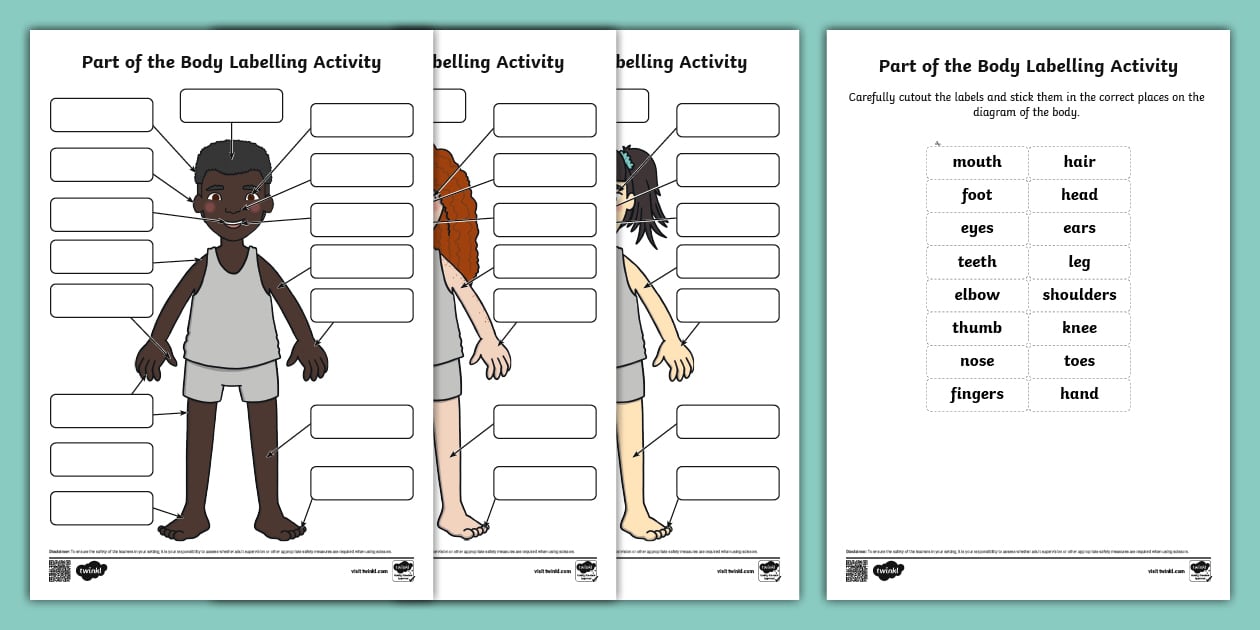
Video: Regional Terms Anatomy - Body Parts Name | Nursing Medical Terminology Made Easy
2. Malpractice Litigation and Financial Ruin
From a legal standpoint, cases involving anatomical mislabeling are virtually indefensible. Because surgical site marking and specimen verification protocols are standardized worldwide, failing to execute them constitutes a clear breach of the standard of care.
- High-Value Settlements and Verdicts: Malpractice payouts for wrong-site procedures routinely reach seven-figure sums, covering compensatory damages, future medical expenses, and emotional distress.
- Denial of Reimbursement: Major payers, including the Centers for Medicare & Medicaid Services (CMS), refuse to reimburse hospitals for costs associated with Never Events. Facilities must absorb the financial burden of all corrective interventions.
- Spike in Insurance Premiums: Facilities and providers face drastic increases in professional liability insurance rates following documented labeling incidents.
3. Regulatory Penalties and Loss of Accreditation
Hospitals that report anatomical mislabeling face intense scrutiny from regulatory agencies such as state health departments and The Joint Commission. Serious incidents can result in mandatory root-cause analyses, probation, hefty administrative fines, or even revocation of accreditation, directly threatening a facility's ability to operate.
Root Causes: Why Do Labeling Errors Still Happen?
Despite centuries of anatomical study and decades of modern safety protocols, mislabeling errors persist. They are rarely the result of a single provider's incompetence; instead, they stem from latent systemic flaws interacting with human vulnerability.
- Cognitive Overload and Fatigue: Healthcare professionals working extended shifts in high-stress settings are vulnerable to confirmation bias—seeing what they expect to see rather than what is actually printed on a chart or wristband.
- Inconsistent Site-Marking Practices: Marking an operative site with an ambiguous "X" rather than the surgeon's initials or a definitive "YES" can cause confusion. An "X" might be interpreted by assisting staff as "operate here" or "do not operate here."
- Poor Communication During Handoffs: Transitions between pre-op holding, anesthesia induction, and the operating table are prime moments for critical information to slip through communication gaps.
- EHR Usability Issues: Cluttered user interfaces, non-intuitive drop-down menus, and auto-population features can lead clinicians to select the wrong laterality (e.g., clicking "bilateral" or "right" instead of "left") without noticing the discrepancy.
Proven Strategies for Error Prevention
Eliminating incorrect body part labeling requires rigid adherence to human-factored safety engineering and active clinical vigilance.
Adherence to the Universal Protocol
Established by The Joint Commission, the Universal Protocol for Preventing Wrong Site, Wrong Procedure, and Wrong Person Surgery consists of three core components:
- Pre-Procedure Verification: Verifying all relevant documentation, diagnostic scans, and labeled specimens matches the patient's identity and proposed care plan.
- Site Marking: The licensed independent practitioner performing the procedure must physically mark the exact site with a non-washable marker while the patient is awake and involved, whenever possible.
- The Surgical Time-Out: Immediately before making the primary incision, the entire interdisciplinary team pauses to verbally confirm the patient's identity, the scheduled procedure, and the correct anatomical site. Any team member has the absolute authority to stop the procedure if there is any ambiguity.
Technological Barcoding and RFID Systems
To eliminate manual clerical errors with lab specimens, leading diagnostic facilities use automated point-of-care barcode printers. When tissue or fluid is extracted, specimen jars are labeled at the bedside immediately, with two-factor electronic verification ensuring the label corresponds precisely to the anatomical site documented in the procedural notes.
Final Thoughts
Anatomical labeling is not a mundane administrative task; it is a fundamental clinical safeguard. The consequences of incorrect body part labeling are disastrous, leading to uncorrectable patient harm, massive financial liability, and systemic collapse of clinical trust. By championing redundant verification checks, rigorous adherence to standardized protocols, and an open institutional culture of safety, healthcare providers can ensure that devastating labeling failures remain a thing of the past.