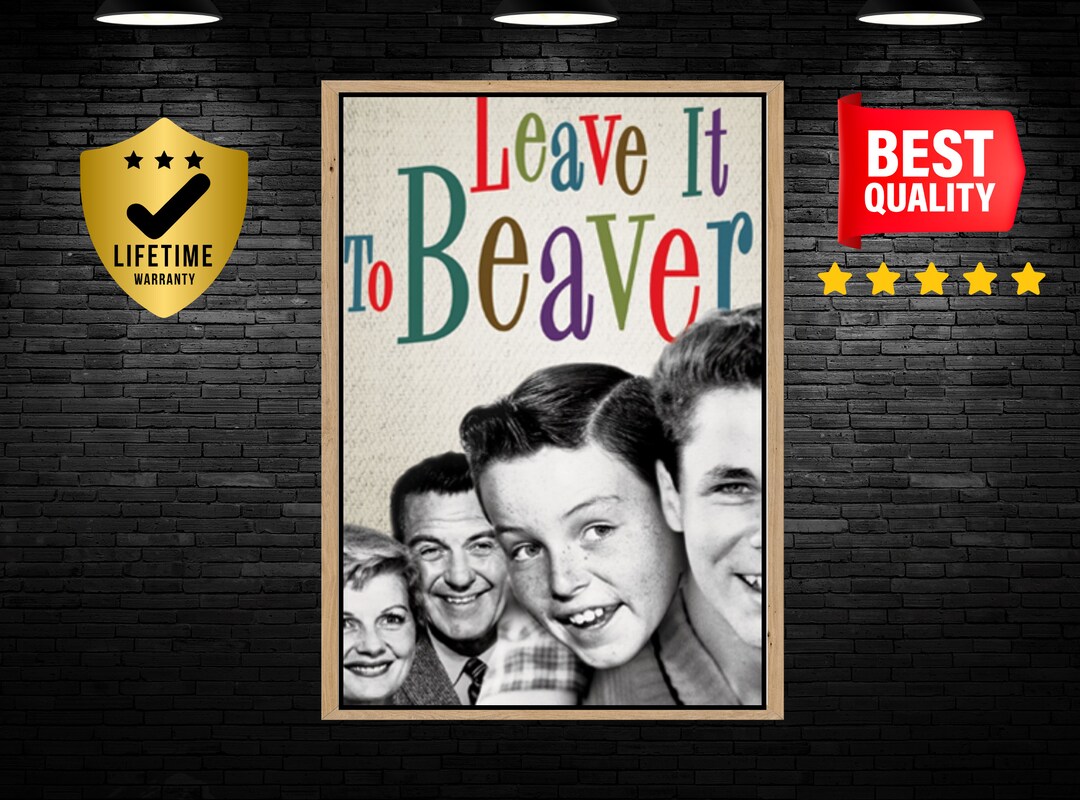
The Craft Behind Leave It to Beaver
When television historians discuss the golden age of the family sitcom, names like Leave It to Beaver inevitably anchor the conversation. Running from 1957 to 1963, the series chronicled the routine trials of Theodore 'Beaver' Cleaver, his older brother Wally, and their understanding parents, Ward and June. Yet, beyond its nostalgic depiction of mid-century American suburban life lies a remarkably sophisticated creative engine. **The Timeless Craft Behind Every Leave It to Beaver Episode—Masterpiece Always!** rests not in sugary sentimentality, but in an uncompromising dedication to honest storytelling, precise pacing, and genuine childhood psychology.

The Architecture of an Episode: Writing from a Child's Perspective
The core genius of Leave It to Beaver began in the writer's room, largely spearheaded by creators Joe Connelly and Bob Mosher. Unlike many contemporary comedies that relied on snappy one-liners or exaggerated slapstick, Connelly and Mosher drew directly from the actual diaries of their own children and childhood memories. This commitment to lived experience gave every script an authentic foundation.
Treating Children as Complex Human Beings
Prior to the late 1950s, children in television were frequently written as miniature adults or simple punchlines. Connelly and Mosher revolutionized this dynamic by validating a child's logic. When Beaver misunderstood a complex adult concept—such as thinking he could get arrested for cutting school or believing that an adopted child came from a store—the show never mocked him. Instead, it explored the genuine anxiety, guilt, and elaborate rationalizations unique to a seven-or-ten-year-old mind.
- The Escalating Mistake: Most episodes follow a classic, airtight narrative arc where a small white lie or minor disobedience snowballs into an overwhelming moral dilemma for Beaver.
- The Absence of Cynicism: The humor stems from situational irony rather than sarcasm, allowing the audience to laugh with the characters rather than at them.
- The Resolution: Ward Cleaver's famous fireside chats never felt like heavy-handed lectures; they were quiet, patient moments of parental guidance that respected the child's capacity for growth.
Directorial Restraint and Visual Storytelling
The production craft behind the scenes was equally disciplined. Directors like Norman Tokar and Hugh Beaumont (who also played Ward Cleaver) understood the golden rule of television comedy: the camera should serve the narrative, not distract from it.
Invisible Direction and Natural Performances
Video: Funny CG short film on a beaver's misfortunes | "Behind the Beard" - by Noel Winzen & Marc Angele

The visual style of the show is characterized by steady, unobtrusive medium shots and clean framing that kept the focus squarely on the actors. Child actors are notoriously difficult to direct, yet Jerry Mathers (Beaver) and Tony Dow (Wally) delivered remarkably naturalistic performances. This was achieved through a production environment that allowed children to sound like actual kids, stumbling over words, fidgeting, and reacting with genuine awkwardness.
Furthermore, the black-and-white cinematography utilized soft, warm lighting that created a cozy, inviting atmosphere without feeling overly glossy. The suburban neighborhood—built entirely on Universal Studios backlots—felt lived-in, complete with mature trees, practical street corners, and ordinary homes that grounded the heightened reality of television.
The Subversive Subtext Beneath the Suburban Surface
Casual modern viewers sometimes dismiss the series as a utopian fantasy of 1950s conformity. However, closer examination reveals a subtle, gentle satire of suburban anxieties and societal pressures. Ward and June frequently worried about keeping up appearances, neighborhood gossip, and whether they were raising their boys correctly. The adults were just as prone to insecurity and foolishness as their children.
Secondary characters added layers of rich texture to the canvas:
- Eddie Haskell: Played brilliantly by Ken Osmond, Eddie was the quintessential sycophant—polite to adults while plotting mischief behind their backs. He introduced a necessary dose of dramatic tension and realistic peer pressure.
- Whitey Whitney and Larry Mondello: These supporting kids provided contrasting foils to Beaver, highlighting different facets of childhood friendship and loyalty.
Why the Craft Endures Today
Decades after its final broadcast, Leave It to Beaver continues to find new generations of admirers on streaming platforms and cable syndication. Its longevity is a direct result of its meticulous craftsmanship. By focusing on universal human truths—fear of failure, the pain of embarrassment, sibling rivalry, and the comfort of family—the creators bypassed the fleeting pop-culture trends of their era.
When you sit down to watch an episode today, the production values, the tight scripts, and the grounded performances hold up with astonishing clarity. It remains a masterclass in television writing and execution, proving that simplicity, when crafted with care, achieves genuine immortality.