The Danger of One Leak: Why Small Flaws Sink Systems
Understanding the Power of Small Flaws

It is human nature to ignore minor problems. A slow drip under the kitchen sink, a minor security alert in a software log, or a slight drop in monthly revenue often gets brushed aside as a temporary nuisance. After all, the system is still functioning, so why panic? However, complex systems—whether they are physical plumbing networks, digital databases, or business operations—rarely fail all at once. They fail because of a cascading sequence of events that almost always traces back to a single vulnerability. Understanding how damage compounds from **one leak** is essential for protecting your home, your data, and your livelihood.
In both engineering and everyday life, the butterfly effect is very real. A microscopic crack in a space shuttle seal, a single unpatched line of code, or an unattended roof tile can bring down multi-million-dollar operations. By shifting our perspective to view small flaws as ticking time bombs rather than minor inconveniences, we can drastically alter our maintenance strategies and prevent disasters.
Plumbing and Structural Damage: The Classic Drip
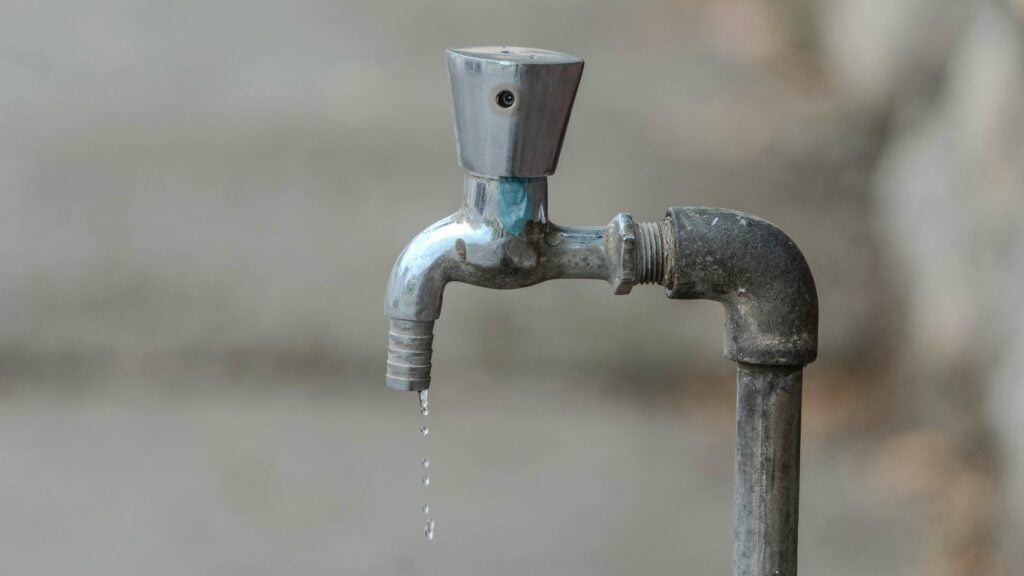
When most people think of a leak, they picture water. Water is relentless, patient, and incredibly destructive. A slow pipe leak behind a drywall panel or beneath a concrete slab can go unnoticed for months, quietly wreaking havoc on a structure.
The Hidden Progression of Water Damage
Water does not just pool in one spot; it travels along beams, soaks into insulation, and creates the ideal breeding ground for mold. What starts as a simple washer replacement can quickly escalate into a massive, multi-thousand-dollar remediation project. The progression typically follows a predictable timeline:
- Stage 1: The initial drip begins due to a worn-out seal, high water pressure, or corrosion.
- Stage 2: Moisture accumulates in porous materials like drywall, wood framing, or subflooring.
- Stage 3: Mold colonies begin to form within 24 to 48 hours, posing immediate health risks to residents.
- Stage 4: Structural integrity is compromised as wood rots and metal rusts, leading to sagging floors or collapsing ceilings.
Homeowners who implement regular inspections can catch these issues before they graduate from Stage 1 to Stage 4. Installing smart water shut-off valves and checking utility meters for unexplained usage spikes are proactive ways to ensure a minor plumbing issue never ruins a home.
Digital Vulnerabilities: The Cost of One Leak in Cybersecurity
In the digital age, a leak does not involve water; it involves data. In cybersecurity, the principle remains identical: it only takes **one leak** to compromise an entire network. Hackers do not need to break down every firewall if they can find a single open port, a weak employee password, or an unpatched software vulnerability.
How Data Breaches Happen
Modern enterprises rely on vast, interconnected ecosystems of cloud storage, third-party vendors, and employee devices. This complexity creates a massive attack surface. Consider the following common entry points:
- Phishing Credentials: Just one employee falling for a spear-phishing email gives attackers legitimate login credentials.
- Unpatched Software: A known vulnerability in a server operating system left unpatched for days or weeks provides an open invitation to automated ransomware bots.
- Misconfigured Cloud Buckets: Accidentally leaving an Amazon S3 storage bucket public exposes millions of customer records instantly.
Once inside, lateral movement allows attackers to escalate privileges, access sensitive databases, and deploy ransomware. The resulting financial loss, regulatory fines, and reputational damage often far exceed the cost of implementing robust, multi-layered security protocols in the first place.
Business Operations and Financial Drains
Beyond physical infrastructure and digital networks, businesses are vulnerable to operational leaks. These are inefficiencies, mismanaged accounts, or employee churns that bleed capital away from core revenue-generating activities.
Identifying Operational Inefficiencies
An operational leak acts like a slow drain on profitability. It might be an unused software subscription that auto-renews every month, an inefficient supply chain partner charging hidden fees, or poor customer retention due to slow support response times. If leadership fails to audit expenses and workflows regularly, these minor losses compound over quarters and years, stunting growth and eroding profit margins.
To plug these business leaks, executives must foster a culture of transparency and continuous auditing. Encouraging frontline employees to report inefficiencies helps management spot waste before it impacts the bottom line.
Proactive Strategies to Stop Leaks Early
Whether you are managing a household, a corporate IT department, or a growing business, the antidote to catastrophic failure is early detection and rapid response. You cannot eliminate all risks, but you can build systems that isolate problems before they spread.
Conduct Routine Audits: Schedule regular maintenance checks for plumbing, HVAC systems, and electrical panels. In software development, run routine vulnerability scans and code reviews.
Implement Redundancies: Design your systems with fail-safes. If one component fails, backup systems should automatically engage to limit the blast radius.
Foster a Culture of Accountability: Ensure that team members and family members feel comfortable reporting minor issues immediately without fear of blame.
Conclusion
The lesson across every industry is clear: minor flaws deserve major attention. Whether it is a dripping pipe, a weak password, or a wasteful business expense, ignoring the warning signs is a gamble with high stakes. By respecting the destructive potential of **one leak** and adopting a mindset of relentless vigilance, you can safeguard your assets, protect your data, and ensure long-term stability.


