The Dark Truth Behind Cheap Platinum Ink Alternatives
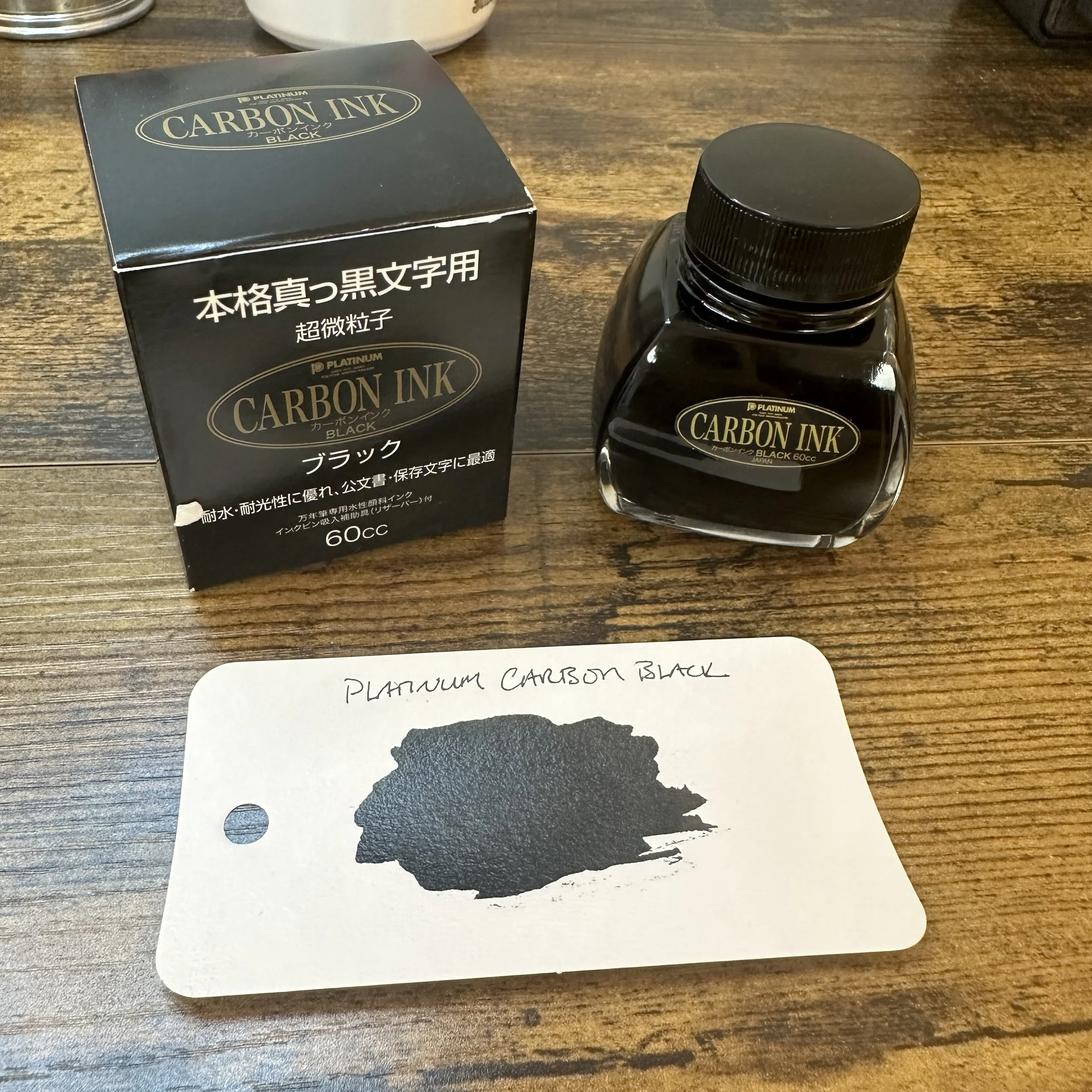
When you invest in a fine fountain pen, the fluid you feed it matters just as much as the gold or steel nib gliding across the paper. Genuine brand-name formulations—especially those crafted by legacy houses like Platinum—undergo rigorous chemical testing to ensure they flow smoothly, maintain stable pH levels, and protect delicate feed mechanisms. However, the temptation to cut costs leads many enthusiasts down a rabbit hole. Uncovering the dark truth behind cheap platinum ink alternatives reveals a world of substandard manufacturing, severe pen damage, and compromised performance that far outweighs any initial monetary savings.
The Allure and Illusion of Budget Inks
The fountain pen hobby is inherently rewarding, but purchasing specialized cartridges and bottled formulas can add up quickly. It is entirely understandable why third-party budget alternatives flood online marketplaces. Priced at a fraction of the cost, these unknown brands promise vibrant colors and massive volume.
Unfortunately, manufacturing ink safely and reliably is an expensive chemical science. To achieve ultra-low price points, discount manufacturers routinely cut corners. They bypass vital quality control steps, omit anti-fungal agents, and substitute pharmaceutical-grade dyes with industrial colorants. What looks like a bargain on the surface often carries a steep hidden cost.
Chemical Instability and the Risk to Your Pens
Inside a modern fountain pen, ink sits in constant contact with plastics, ebonite, metals, and silicone seals. Premium manufacturers formulate their liquids to be chemically inert and safe for these diverse materials. Cheap alternatives rarely share this engineering standard.
Corrosive pH Levels
A balanced pH is critical for fountain pen safety. If a liquid is too acidic, it will slowly eat away at metal nibs, clips, and internal brass components, leading to irreversible pitting and corrosion. Conversely, overly alkaline solutions can degrade vintage ebonite feeds, turning them chalky and brittle. Budget formulators rarely test or balance the pH of their batches.
Unregulated Dyes and Sludge Formation
High-end options rely on water-soluble dye compounds designed to dissolve completely. Cheap alternatives frequently use heavy industrial pigments or poorly refined dye salts. Over time, these particles agglomerate. When the water in the solution evaporates—even slightly—these unregulated dyes precipitate out of the liquid, forming a thick, sludge-like residue that hardens inside the narrow channels of your pen's feed.
Video: 5 CHEAP Inks on Amazon EVERYONE IGNORES (But Writers Secretly Love)

Performance Failures in the Field
Beyond physical damage to your writing instruments, budget formulations fail to deliver a reliable writing experience. Using a subpar liquid fundamentally alters how your pen interacts with paper.
- Feathering and Bleed-Through: Unregulated surface tension causes the liquid to spread uncontrollably along paper fibers, turning fine lines into fuzzy blurs.
- Hard Starts and Clogging: Poor humectant retention causes the formula to dry out rapidly on the nib, leading to frustrating skipping and hard starts.
- Lack of Water Resistance: Accidental spills wash away cheap dyes entirely, leaving behind blank pages where your notes once were.
Microbial Contamination: The Silent Threat
Perhaps the most insidious danger of cheap ink alternatives is biological growth. Water-based solutions left in dark, enclosed pen barrels are breeding grounds for mold, bacteria, and fungi. Established brands include precise concentrations of biocides to prevent these microscopic organisms from multiplying.
Budget producers often omit these preservatives to lower production costs. Once contaminated, a bottle can harbor mold spores that quickly transfer to your pen's feed. A severe fungal bloom can permanently ruin a collector-grade pen, requiring professional ultrasonic cleaning or complete feed replacement. If you notice a musty odor or stringy sediment inside a bottle, discard it immediately.
How to Protect Your Collection
You do not need to empty your bank account to enjoy safe, high-performing writing fluids, but you should exercise caution when exploring the market. Protecting your pens requires a discerning eye and a commitment to quality over quantity.
- Stick to Reputable Brands: Trusted makers like Platinum, Pilot, Lamy, and Waterman spend decades perfecting their chemical recipes.
- Research Before You Buy: Consult fountain pen communities, review sites, and forums before trying an unknown, ultra-cheap brand.
- Dedicate Budget Pens: If you insist on experimenting with unverified or homemade formulas, use inexpensive, easily replaceable starter pens rather than vintage or gold-nibbed flagships.
- Clean Your Pens Regularly: Flush your writing instruments with clean water every few weeks to prevent any potential buildup from seizing the feed.
Conclusion
Saving a few dollars on a bottle of writing fluid is never worth the risk of ruining a cherished fountain pen. While the market for alternative supplies is vast, the hidden dangers of cheap formulas—ranging from corrosive chemistry to destructive mold growth—become glaringly apparent the moment a pen stops working. Prioritize the health of your writing instruments by choosing trusted, well-formarded products that deliver consistent performance without the hidden risks.


