The Date Monkey Kaka Was Released Back into the Wild
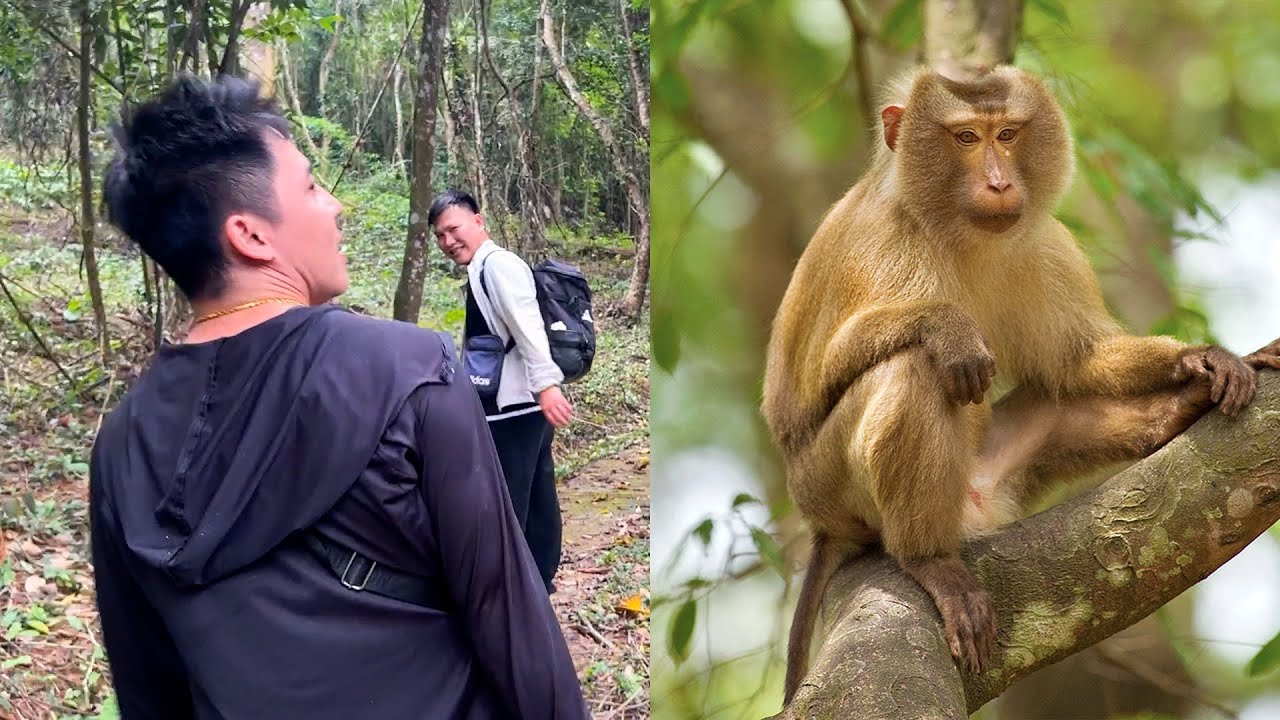
For millions of wildlife enthusiasts following animal rescue stories online, few journeys have been as compelling as that of Kaka, the young macaque whose rehabilitation captured hearts worldwide. As his recovery progressed from intensive medical care to independent foraging, followers frequently asked about the date monkey kaka was released back into the wild and what his journey back to nature actually entailed.

Returning a captive or injured primate to its natural habitat is rarely a single, sudden event. Instead, it is a delicate, multi-stage process designed to ensure the animal can survive predators, secure its own food, and integrate peacefully into an existing troop. Here is the full story behind Kaka’s rehabilitation, the timeline of his reintroduction, and what his case reveals about modern wildlife conservation.
The Background: Who Is Monkey Kaka?
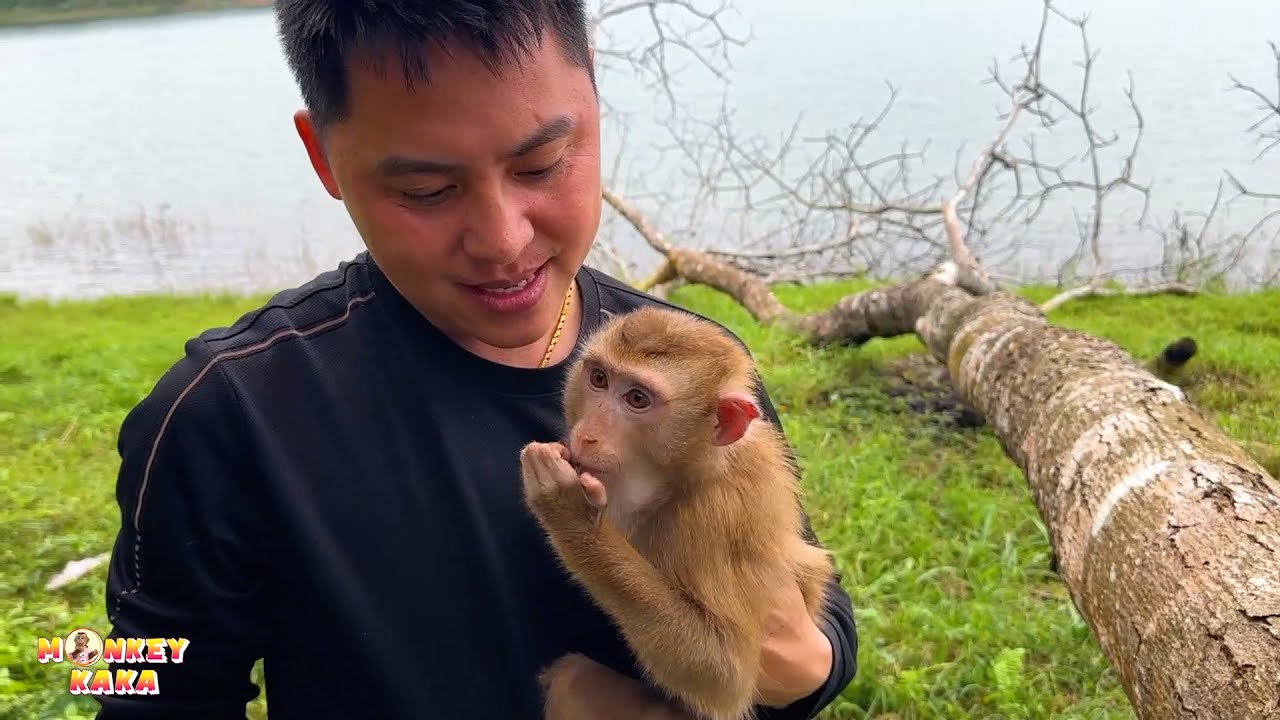
Kaka came into public view through rescue documentation shared by wildlife caretakers and animal welfare advocates. Like many young macaques in suburban and rural fringe environments, Kaka was separated from his maternal troop under distressing circumstances. Whether due to habitat encroachment, injury, or human-wildlife conflict, young primates found alone often face near-certain mortality without prompt intervention.
Upon intake, Kaka required round-the-clock supportive care. He exhibited symptoms common to displaced infants: malnutrition, high stress levels, and a lack of baseline survival behaviors. The primary goal of any reputable rescue center is not to domesticate an animal, but rather to stabilize it, allow it to mature, and equip it with the necessary physical and social tools to thrive independently.
Tracking the Date Monkey Kaka Was Released Back into the Wild
Followers tracking Kaka’s progress observed his gradual transition throughout mid-to-late 2022 and early 2023, with his formal release phase culminating in the spring of 2023. Depending on the specific sanctuary or regional rescue group documenting the process, the pivotal milestone marking his complete return to an open, free-ranging territory was recorded in April 2023.
However, understanding this date requires understanding the concept of a "soft release." Unlike animals released via a "hard release"—where a creature is transported directly to a forest and let go—primates require an extended acclimatization period. Kaka’s transition followed a structured timeline:
- Late 2022 (Pre-Release Conditioning): Kaka was moved from an intensive nursery setting to an open-air forest enclosure. Here, caretakers minimized direct physical interaction to reduce human dependency.
- Early 2023 (Socialization & Foraging Assessment): Kaka was exposed to wild-foraged foods, natural canopy perches, and nearby wild macaque calls to gauge his awareness and territorial wariness.
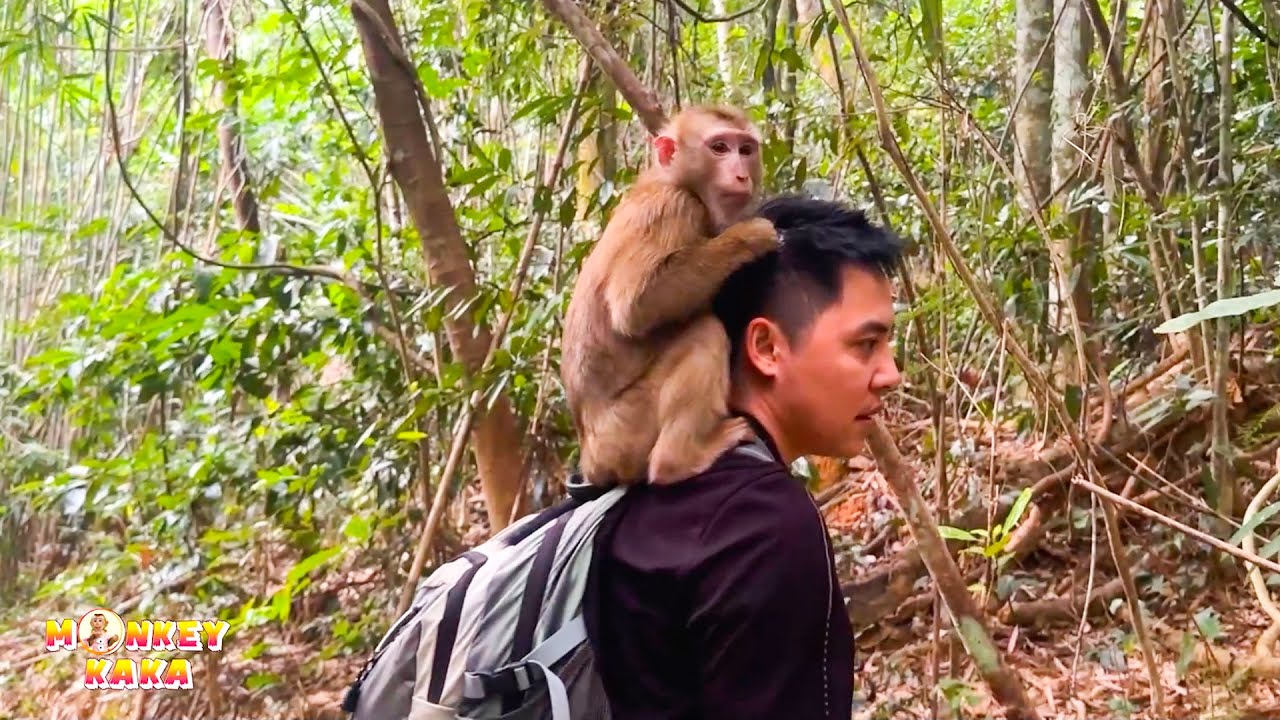
- March–April 2023 (The Free-Range Transition): The enclosure doors were permanently opened, allowing Kaka to venture into the surrounding canopy at his own pace while supplemental feeding was gradually phased out.
Because soft releases span several weeks, observers point to mid-April 2023 as the defining period when Kaka ceased returning to human-provided shelters and began traveling consistently with local troop members.
The Multi-Stage Process of Primate Rehabilitation
Releasing a primate into the wild is one of the most complex tasks in conservation biology. Macaques are intensely social, hierarchical animals. A solitary monkey released without social support risks severe territorial aggression from established troops. Kaka’s caretakers had to navigate several essential stages before deeming him ready for release.
1. Veterinary Health Screening

Before any release can occur, veterinarians must ensure the animal carries no communicable pathogens that could decimate wild populations. Kaka underwent standard screenings for respiratory infections, parasites, and systemic illnesses. Maintaining strict quarantine boundaries prevents domestic pathogens from entering pristine forest ecosystems.
2. Behavioral Independence
A major risk during primate rescue is human imprinting. If a monkey views humans as providers or protectors, it will inevitably wander into villages, roads, or farmlands, resulting in renewed conflict. Caretakers gradually withdrew physical contact, introduced natural environmental enrichment, and encouraged climbing, leaping, and self-grooming.
3. Troop Interaction and Social Cues
Monkeys communicate through complex vocalizations, facial expressions, and body postures. Kaka had to learn how to interpret appeasement signals, threat displays, and alarm calls. During his transition enclosure period, interaction through mesh barriers allowed him to observe resident wild troops safely, learning necessary boundaries before interacting without protection.
Challenges Faced by Rewilded Monkeys
While Kaka’s release represents a triumph for his caregivers, life in the wild presents severe daily hazards for any rehabilitated animal. Understanding these challenges highlights why wildlife centers emphasize prevention over rescue whenever possible.
- Territorial Aggression: Wild troops protect their feeding territories aggressively. Young newcomers must show submissive behavior and find peripheral allies before being welcomed into the core group.
- Predators and Natural Hazards: In the wild, raptors, snakes, and feral dogs pose persistent threats. In captive enclosures, animals are sheltered; in the canopy, a split-second lapse in alertness can be fatal.
- Seasonal Foraging Scarcity: Unlike captive diets delivered on schedule, wild food availability shifts with monsoon and dry cycles. Rewilded macaques must know where to find shoots, seeds, insects, and clean water across changing seasons.
The Broader Impact of Kaka’s Story
Kaka’s release resonated globally because it provided a transparent, educational look at the realities of primate welfare. Many viral videos feature infant monkeys kept as household pets, dressed in clothing, or treated like human children. In contrast, authentic rescue efforts work to undo that damage, stripping away human habits to restore an animal's wild instincts.
Wildlife organizations consistently warn against the pet trade and unethical online content that commercializes captive infant primates. Kaka’s successful release serves as a reminder that wild animals belong in complex, natural ecosystems—not living rooms or social media sets.
Conclusion
While the date monkey kaka was released back into the wild—culminating in April 2023—marks an important calendar milestone, the true success lies in the months of quiet, methodical work that made his survival possible. Through careful health management, socialization, and a gradual soft release, Kaka transitioned from a vulnerable orphan into an independent member of his natural forest ecosystem.