The Deborah Logan Real Story: Fact vs. Fiction
When horror fans first stumbled upon the 2014 found-footage film The Taking of Deborah Logan, many viewers immediately searched online to uncover the deborah logan real story. The movie's gritty documentary style, convincing performances, and horrifying visual transformations left a lingering question: Did this actually happen to a real woman?

Internet culture has a long history of blurring the lines between fiction and reality, leading to widespread rumors about cursed archival footage and demonic possession. In this article, we separate fact from fiction, exploring the true origins of the film, the medical realities it touches upon, and why the myth of a real-life possession endures.
Is The Taking of Deborah Logan Based on a True Story?
The short answer is no. The deborah logan real story is entirely a work of fiction. Written and directed by Adam Robitel in his feature directorial debut, The Taking of Deborah Logan is a supernatural horror mockumentary rather than a true-crime documentary.
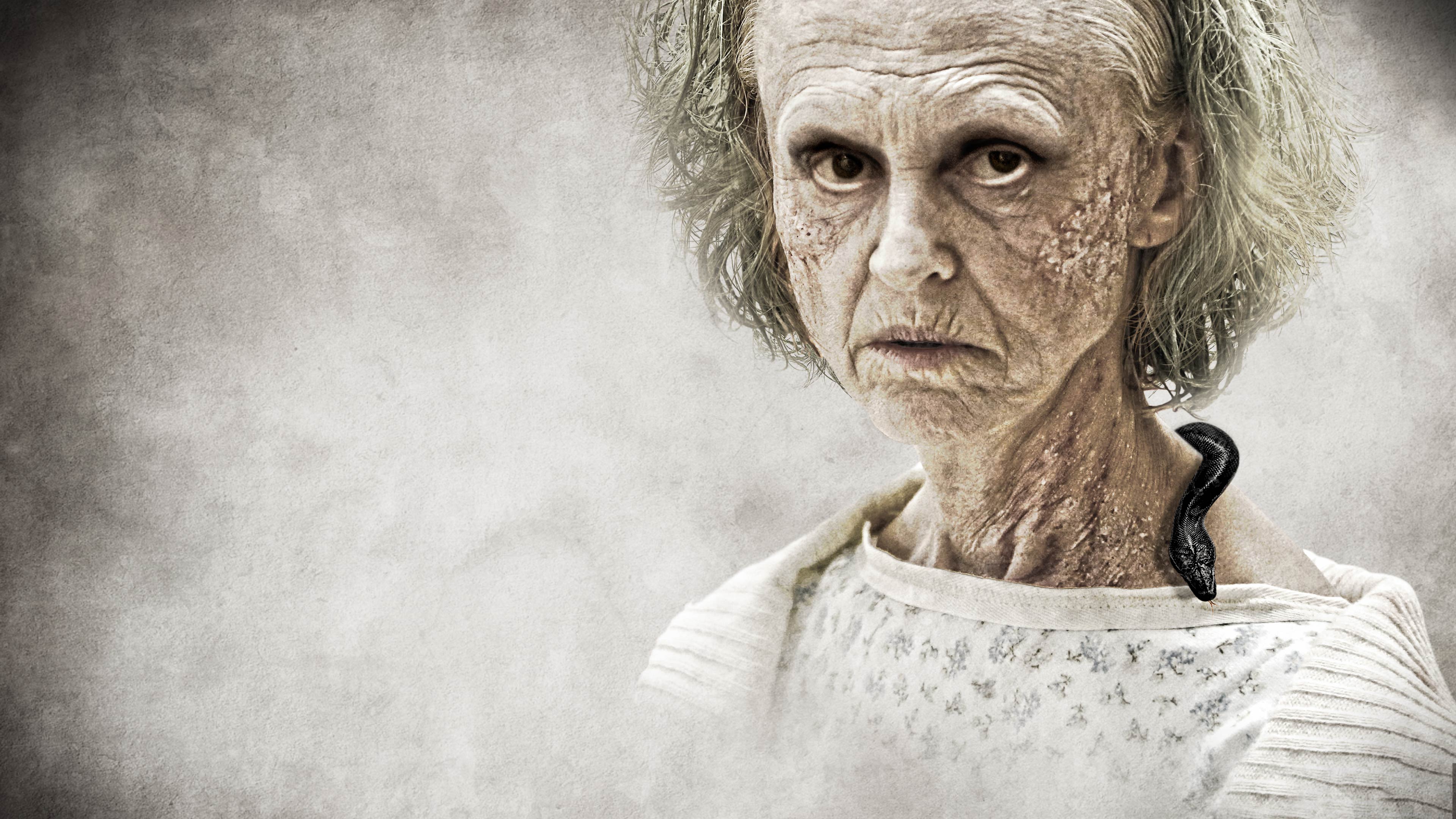
The plot follows a doctoral student named Mia and her small film crew as they document an elderly woman named Deborah Logan (played brilliantly by Jill Larson) and her daughter Sarah (Anne Ramsay). Deborah has recently been diagnosed with Alzheimer's disease. As the documentary progresses, Deborah's behavior grows increasingly erratic and malevolent, eventually suggesting that something far more sinister than cognitive decline is taking over her mind and body.
Despite the movie opening with framing devices typical of true-crime features—such as university logos and academic intent—every character, event, and supernatural element was dreamed up by the filmmakers.
Where Did the Inspiration Come From?
While the possession aspect is pure invention, Adam Robitel and his co-writer Gavin Heffernan drew inspiration from very real human tragedies. The primary emotional anchor of the film is the devastating progression of Alzheimer's disease and the heavy burden placed on family caregivers.
Robitel has noted in interviews that he wanted to capture the literal and figurative horror of watching a loved one's personality slowly erode. By injecting supernatural elements into a realistic portrayal of degenerative brain disease, the filmmakers amplified the feelings of helplessness, loss of control, and familial exhaustion that many real caregivers experience.
The Viral Myth: Real Footage Rumors
Shortly after the film hit streaming platforms, it gained a cult following. This newfound popularity sparked viral threads on Reddit, TikTok, and YouTube, where users attempted to convince others that the movie was based on real archival footage.
Several factors fueled these online hoaxes:
- Found-Footage Format: The shaky-cam, interview-style setup mimics real-world psychological documentaries.
- Realistic Acting: Jill Larson's physical and emotional transformation as Deborah felt painfully authentic to anyone who has witnessed late-stage dementia.
- Lack of Initial Awareness: Because indie horror films often bypass mainstream theatrical releases, viewers discovering the movie late on platforms like Netflix or Shudder sometimes missed the fictional credits.
Social media algorithms quickly latched onto the creepy imagery—particularly the scene where Deborah unhinges her jaw—turning clips out of context into modern urban legends.
Separating Hollywood Horror from Medical Reality
While the deborah logan real story is fictional, the medical condition depicted at its core is a harsh reality for millions of families. Understanding the contrast between Alzheimer's disease and Hollywood possession helps demystify the condition.
What is Alzheimer's Disease?
Alzheimer's is a progressive neurological disorder that causes brain cells to degenerate and die. It is the most common cause of dementia, leading to a continuous decline in thinking, behavioral, and social skills that disrupts a person's ability to function independently.
Common Symptoms vs. Movie Tropes
To fully appreciate why the film is fiction, it helps to compare real symptoms with cinematic exaggeration:
- Memory Loss: Real patients experience short-term memory loss and confusion. In the movie, Deborah experiences supernatural gaps and speaks in ancient languages.
- Behavioral Changes: Real dementia can cause agitation, paranoia, and personality shifts due to brain damage. The film takes this symptom to an extreme, attributing aggressive outbursts to a malevolent entity known as Desjardins.
- Physical Decline: While advanced Alzheimer's eventually affects motor skills, swallowing, and physical strength, it does not grant superhuman abilities, unnatural jaw movements, or immunity to mortal injury as seen in the climax.
The Real Impact of the Film
Although The Taking of Deborah Logan is not a true story, it achieved something remarkable for the horror genre. By grounding a supernatural creature feature in the deeply empathetic, terrifying reality of degenerative illness, the movie resonated deeply with audiences.
It sparked discussions about eldercare, the psychological toll on family members, and the frightening unpredictability of neurological diseases. Jill Larson's performance remains widely praised for treating the character with dignity, even as the narrative descends into monster-movie chaos.
Conclusion
The pursuit of the deborah logan real story highlights our collective fascination with the boundary between medical science and the supernatural. While internet rumors love to claim that Deborah Logan was a real woman possessed by an ancient evil, the truth is much simpler: the movie is a brilliant piece of fictional horror.
By blending the very real, terrifying slow-burn tragedy of Alzheimer's disease with classic demonic tropes, the creators crafted a modern classic that continues to trick and thrill unsuspecting viewers to this day.


