The Deep Tissue Approach to Recovery & Wellness
Understanding Deep Tissue Therapy

Modern life, rigorous athletic training, and repetitive daily postures take a significant toll on the human musculoskeletal system. When muscles remain contracted or injured over long periods, they form bands of rigid tissue known as adhesions. These knots can restrict blood flow, cause pain, and limit your overall range of motion. To combat this, fitness enthusiasts and chronic pain sufferers alike are turning to the deep tissue approach to recovery and wellness.
Unlike standard relaxation massages that target superficial muscle layers, deep tissue therapy focuses on the deeper layers of muscle tissue, tendons, and fascia (the protective connective tissue surrounding your muscles). By applying slow, deliberate strokes and direct, sustained pressure, skilled practitioners break down stubborn adhesions and help the body return to a state of natural balance and fluid movement.
How Deep Tissue Work Accelerates Recovery
Physical recovery is not just about resting; it is about actively repairing micro-tears, flushing out metabolic waste, and restoring tissue elasticity. Integrating deep tissue techniques into your routine accelerates this biological healing process through several distinct physiological mechanisms.
Breaking Down Adhesions and Scar Tissue
Following an intense workout, a minor strain, or surgery, the body often heals by laying down haphazard fibers of collagen, creating scar tissue. These fibers bind muscles together improperly, creating tension and pulling joints out of alignment. Deep tissue friction breaks apart these abnormal cross-links, effectively freeing the muscle fibers so they can slide smoothly against one another again.
Improving Circulation and Nutrient Delivery
Tight muscles compress local blood vessels, starving the tissue of oxygen and essential nutrients while trapping lactic acid and other metabolic byproducts. The intense pressure applied during deep tissue work temporarily restricts blood flow, but upon release, it triggers a rush of fresh, oxygenated blood into the area. This flush helps clear out cellular waste and provides the building blocks necessary for rapid muscle repair.
Mental and Systemic Wellness Benefits

While the physical advantages of deep tissue work are well-documented, its impact extends far beyond muscle tissue. True wellness requires addressing the nervous system and stress levels as well.
- Stress Hormone Reduction: Deep pressure stimulates parasympathetic nervous system activity, which lowers cortisol and adrenaline levels in the bloodstream.
- Improved Posture: By releasing chronically tight chest and hip flexors, the body naturally realigns itself, reducing the daily fatigue associated with slouching or compensations.
- Enhanced Sleep Quality: Releasing physical tension allows the body to relax completely, facilitating deeper, more restorative sleep cycles.
What to Expect During a Session
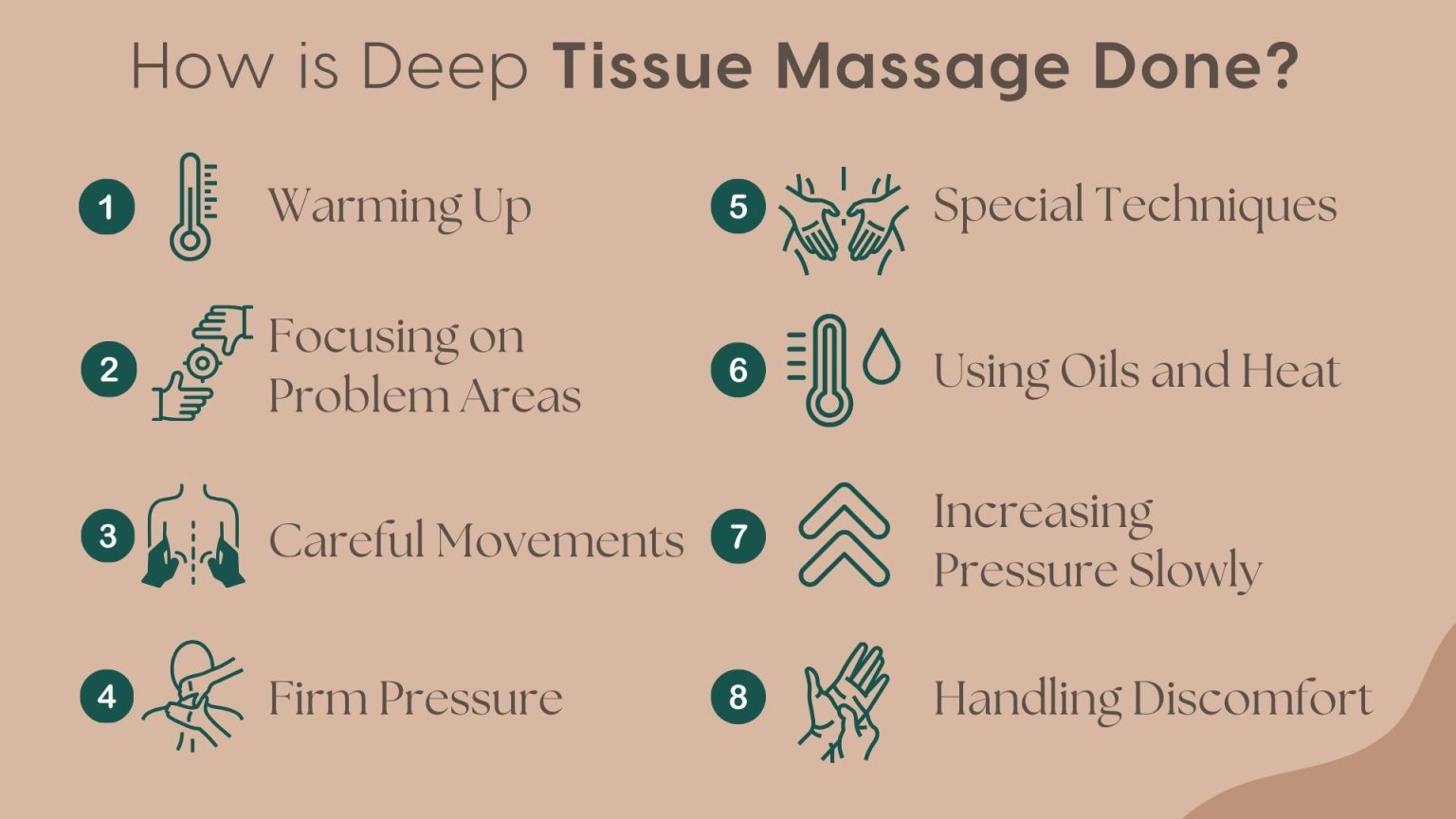
If you are new to this therapeutic modality, knowing what lies ahead can help you prepare both mentally and physically. Communication with your practitioner is the cornerstone of a successful session.
Communication and Pain Management
There is a common misconception that deep tissue work must be excruciating to be effective. While you may experience some discomfort as the therapist works through tough knots, it should never cross into sharp or unbearable pain. In fact, tensing up against severe pain causes your muscles to fight the therapist's hands, counteracting the goal of the session. Always provide honest feedback so the therapist can adjust their pressure to your personal tolerance threshold.
Post-Treatment Care and Hydration
Because deep tissue therapy releases metabolic waste trapped inside your muscles into your bloodstream, proper aftercare is vital. Drink plenty of water over the 24 to 48 hours following your session to help your kidneys flush these toxins out of your system. You might feel mild soreness similar to a light workout for a day or two; taking a warm Epsom salt bath can help soothe this temporary tenderness.
Integrating Deep Tissue into Your Wellness Routine
Recovery is not a one-time event; it is an ongoing practice. Whether you are recovering from a marathon, managing a desk-bound lifestyle, or simply seeking better mobility as you age, consistency is key. Schedule sessions strategically—such as bi-weekly or monthly—to maintain tissue pliability and prevent chronic tension from settling back into your body. Paired with proper nutrition, hydration, and mobility work, the deep tissue approach provides a powerful foundation for lifelong physical wellness.