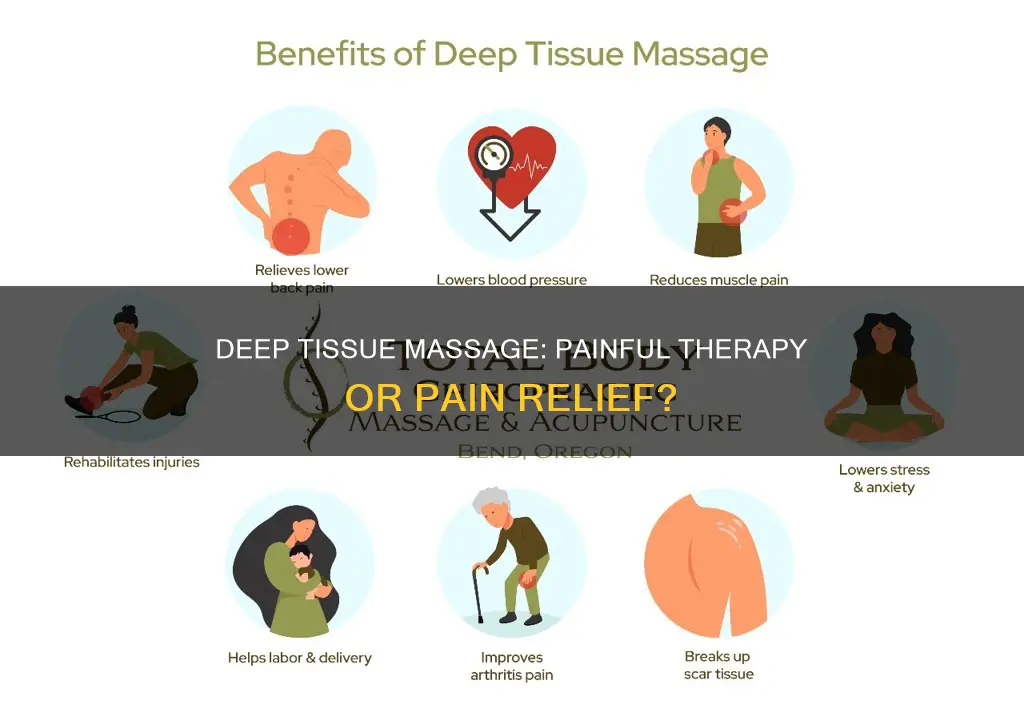
The Deep Tissue Solution for Pain Relief: How It Works
Persistent muscle stiffness, recurring neck pain, and chronic lower back tension can quietly erode your quality of life. When standard stretching, over-the-counter pain relievers, and light relaxation massages fail to provide lasting comfort, many people turn to the deep tissue solution for pain relief. Unlike superficial rubdowns designed primarily for mental unwinding, deep tissue therapy is a targeted clinical modality focused on reorganizing the deeper layers of muscle tissue and myofascial systems.

Understanding how this therapy works, the physiological mechanisms behind its success, and how to approach it safely can help you break the cycle of chronic discomfort and restore functional mobility.
Understanding Deep Tissue Therapy
Deep tissue massage is not simply a Swedish massage delivered with heavier force. Instead, it involves deliberate, slow strokes and sustained finger, forearm, or elbow pressure directed across the grain of muscles and connective tissues (fascia).
When a muscle experiences chronic strain, trauma, or poor posture, it forms microscopic bands of rigid, painful tissue called adhesions. These adhesions restrict blood flow, impair range of motion, and inflame local nerves. Deep tissue work physically breaks down these adhesions to restore normal tissue architecture and relieve pressure on pain receptors.
Deep Tissue vs. Swedish Massage: The Key Differences
- Primary Goal: Swedish massage promotes systemic relaxation and parasympathetic nervous system activation. Deep tissue focuses on structural rehabilitation and chronic pain reduction.
- Technique: Swedish uses long, flowing strokes (effleurage) and kneading (petrissage). Deep tissue relies on friction, cross-fiber work, and prolonged static compression.
- Target Tissue: Swedish addresses superficial muscle layers and skin; deep tissue engages the sub-layer musculature, tendons, and dense fascial sheaths.
Why the Deep Tissue Solution for Pain Relief Works
The therapeutic benefits of deep tissue work are grounded in anatomy and neurobiology. When applied skillfully, this modality triggers several distinct physiological changes that alleviate acute and chronic pain.
1. Breaking the Adhesion and Scar Tissue Cycle
After an injury or prolonged postural overload (such as sitting hunched at a computer), muscle fibers repair themselves haphazardly. This creates dense collagen cross-links known as scar tissue or adhesions. These tight bands trap metabolic waste and choke off capillary circulation. Deep, cross-friction pressure physically softens and realigns these disorganized fibers, restoring elasticity and functional glide between muscle sheaths.
2. Inactivating Myofascial Trigger Points
Trigger points, commonly referred to as "muscle knots," are hyperirritable spots located within taut bands of skeletal muscle fibers. These spots can produce local tenderness as well as referred pain—discomfort felt in an entirely different part of the body. For example, a trigger point in the upper trapezius frequently causes tension headaches behind the eyes. Deep, sustained ischemic compression reduces neurological irritability in the motor endplate, allowing the knot to release.
3. Promoting Vasodilation and Flushing Metabolic Waste
Ischemic muscle tissue lacks oxygen and collects metabolic byproducts like lactic acid and inflammatory cytokines. By compressing and subsequently releasing the tissue, deep massage stimulates reactive vasodilation. Fresh, oxygenated blood floods the compromised area, accelerating cellular repair and clearing inflammatory mediators that irritate local nerve endings.
4. Modulating the Nervous System

According to the Gate Control Theory of pain, non-painful sensory input can override and diminish the transmission of pain signals to the brain. Deep, firm mechanoreceptor stimulation activates large-diameter nerve fibers, which downregulate the pain signals transmitted by smaller pain-carrying fibers. In addition, deep pressure prompts the release of endorphins and serotonin, the body’s natural analgesics.
Conditions That Benefit Most from Deep Tissue Work
While deep tissue therapy can support general athletic recovery, it is especially effective for managing specific musculoskeletal dysfunctions:
- Chronic Lower Back Pain: Often rooted in tight hip flexors, overworked quadratus lumborum muscles, and rigid gluteal tissues pulling the pelvis out of neutral alignment.
- Postural Strain ("Tech Neck"): Chronic forward head posture shortens the pectorals, strains the rhomboids, and locks the levator scapulae into painful spasms.
- Sciatica and Piriformis Syndrome: When the piriformis muscle in the buttock tightens, it can compress the sciatic nerve. Releasing deep gluteal structures often relieves radiating leg pain.
- Plantar Fasciitis: Targeted friction to the sole of the foot and the surrounding calf muscles (gastrocnemius and soleus) alleviates stress on the plantar aponeurosis.
- Rotator Cuff and Shoulder Impingement: Releasing the subscapularis, infraspinatus, and teres minor restores normal biomechanics to the glenohumeral joint.
What to Expect During and After a Session
A deep tissue session should not be an endurance test of pain tolerance. Effective deep tissue work operates on the boundary of "therapeutic discomfort"—a sensation that feels intense and productive, rather than sharp, shooting, or agonizing.
During Treatment
Clear communication with your practitioner is essential. If you tense up, clench your jaw, or hold your breath against the pressure, your nervous system responds with protective guarding. This causes the target muscles to contract even harder, defeating the purpose of the treatment. Work with your therapist to establish a pressure scale from 1 to 10, typically aiming for an intensity between 6 and 7.
Post-Session Recovery
It is normal to experience mild soreness for 24 to 48 hours following a treatment, similar to delayed onset muscle soreness (DOMS) after a challenging workout. To optimize your recovery:
- Hydrate Generously: Adequate water intake aids metabolic clearance and keeps fascial layers pliable.
- Apply Gentle Heat: A warm bath with Epsom salts or a heating pad can ease residual soreness and keep blood vessels dilated.
- Avoid Heavy Lifting: Allow your muscles 24 hours to recover before subjecting them to strenuous resistance training or intense athletic competition.
- Incorporate Light Mobility: Gentle, active range-of-motion stretches help integrate the newly gained tissue length into your daily movement patterns.
When to Avoid Deep Tissue Therapy
Despite its proven benefits, deep tissue therapy is not appropriate for every situation. You should avoid or postpone treatment in the presence of:
- Active blood clots or a history of deep vein thrombosis (DVT)
- Severe, unmanaged osteoporosis or bone fractures
- Open wounds, skin infections, or acute systemic inflammation
- Directly over areas of active rheumatoid arthritis flare-ups
- Uncontrolled hypertension or advanced cardiovascular conditions
Always consult your primary healthcare provider before pursuing deep tissue work if you take blood thinners or have chronic circulatory issues.
A Sustainable Strategy for Lasting Relief
Deep tissue therapy is most effective when viewed as an integral component of a broader wellness plan, rather than a single, miraculous cure. While one session can provide noticeable short-term relief, addressing deeply ingrained postural habits, muscle imbalances, and chronic tension takes time. Combining professional deep tissue work with ergonomic improvements, intentional hydration, and regular movement creates the foundation for a resilient, pain-free body.