The DIYer's Home Depot Guide: Secret Ways to Save
Whether you are tackling a minor plumbing repair or planning a complete kitchen renovation, stepping into a shopper’s Home Depot trip without a game plan can lead to blown budgets and wasted time. The warehouse giant spans an average of 104,000 square feet per store, housing tens of thousands of individual products. Navigating this vast inventory requires more than just wandering down the aisles hoping to spot the right drywall anchor.

Savvy homeowners and professional contractors know that finding real value involves understanding the store’s internal pricing systems, seasonal cycles, and underutilized store services. Here is everything you need to know to shop smarter, cut project costs, and get the most out of your next run.
The Insider’s Home Depot Shopping Strategy
Maximizing your visits begins long before you load a flatbed cart. In-store execution works best when paired with the retailer’s digital infrastructure, saving both physical steps and checkout delays.
Mastering the Mobile App for Aisle-Level Accuracy
One of the biggest time-wasters in any big-box home improvement center is hunting for an associate to locate an obscure hardware fitting. The mobile app eliminates this friction entirely. When you set your local store as your primary location, the app acts as a real-time GPS navigator:
- Exact Aisle and Bay Numbers: Every in-stock item lists its specific aisle and bay location (for example, Aisle 14, Bay 008).
- Store Inventory Counts: You can verify physical inventory levels before leaving your house, reducing trips for out-of-stock items.
- Image and Barcode Search: If you hold a damaged plumbing fitting or an unbranded bolt, you can snap a photo or scan the barcode to bring up specs and direct replacements instantly.
Curbside Pick-up and In-Store Lockers
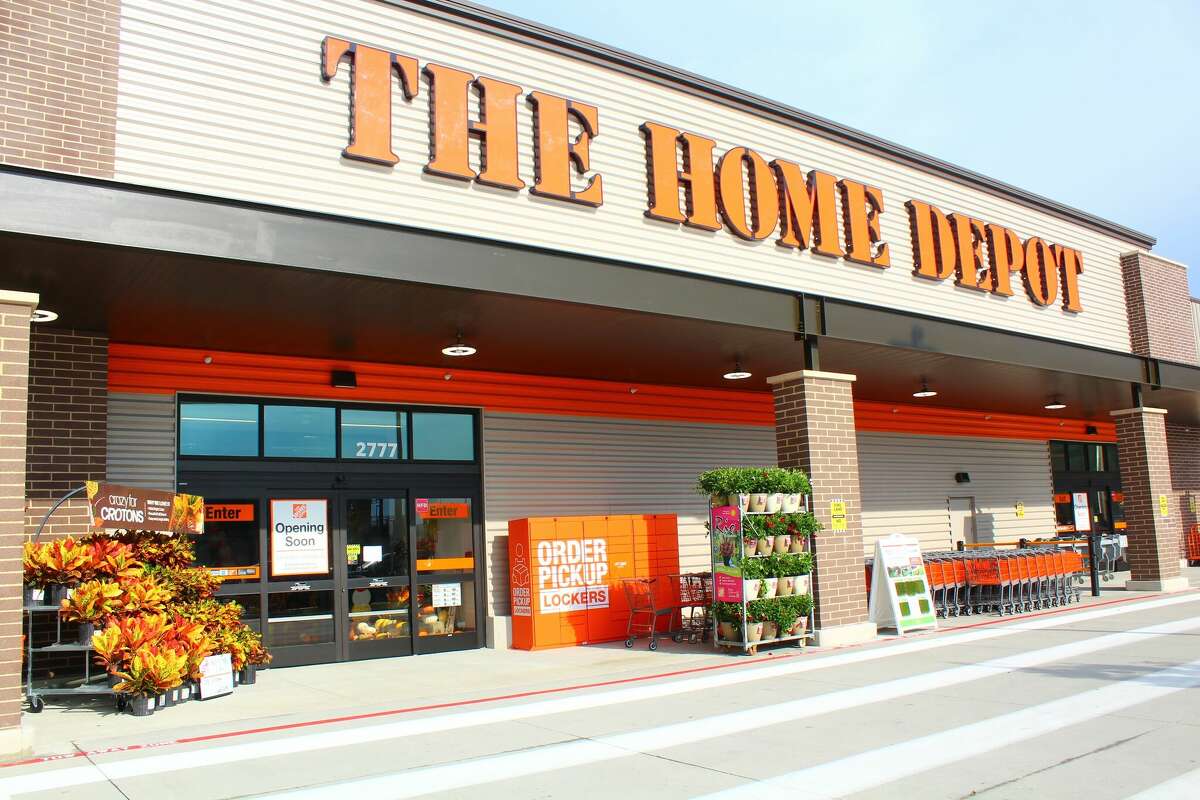
If your project demands zero distractions, order online through the store pickup option. Most locations process orders within two hours. Many branches now feature automated pickup lockers near the entrance. You scan the barcode sent to your smartphone, the corresponding door pops open, and you are back on the road without waiting in the customer service line.
Decoding the Price Tags: How Clearance Markdown Codes Work
Price tags reveal far more than just what you owe at the register. Like many national retailers, markdown schedules follow a predictable numeric formula on the shelf tags.
The Meaning Behind Tag Endings
Standard retail inventory ends in a flat .00 or .98. When an item is marked down, pay close attention to the final digits on yellow clearance tags:
- Prices Ending in .06: This indicates a yellow-tag clearance item that has received its first substantial discount. Generally, items at this stage have roughly six weeks remaining before their price is slashed again or removed.
- Prices Ending in .03: This is typically the final liquidation stage. The item has been marked down to rock-bottom pricing to clear inventory space. If you see a product you need ending in .03, grab it immediately—it will not get cheaper, and it will not be restocked.
Look High and Look Low
Clearance items are rarely placed at eye level in primary thoroughfares. While dedicated clearance endcaps exist at the back of the store, individual departments often tuck discontinued SKUs on bottom shelves or up on the highest storage racking (the overhead risers). Always scan the bottom perimeter shelves in plumbing, electrical, and hardware for deep markdowns.
Equipment and Tool Rental: Save Thousands on Specialized Tasks
Video: Home Depot Best Tools
Buying a specialized machine for a single weekend project is one of the easiest ways to blow a home improvement budget. Floor sanders, trenchers, plate compactors, and high-powered drain augers carry massive purchase price tags and demand ongoing maintenance.

Rental Periods That Fit Real Schedules
The Home Depot Tool Rental Center offers tiered rental intervals designed around practical DIY workflows:
- 4-Hour Rental: Ideal for quick tasks like aerating a lawn, pressure-washing a deck, or cutting a few concrete blocks with a demolition saw.
- Daily (24-Hour) Rental: The sweet spot for weekend projects such as hardwood floor refinishing or running a wood chipper.
- Weekly and Monthly Rates: Scaled for substantial multi-stage renovations.
Load and Go Truck Rentals
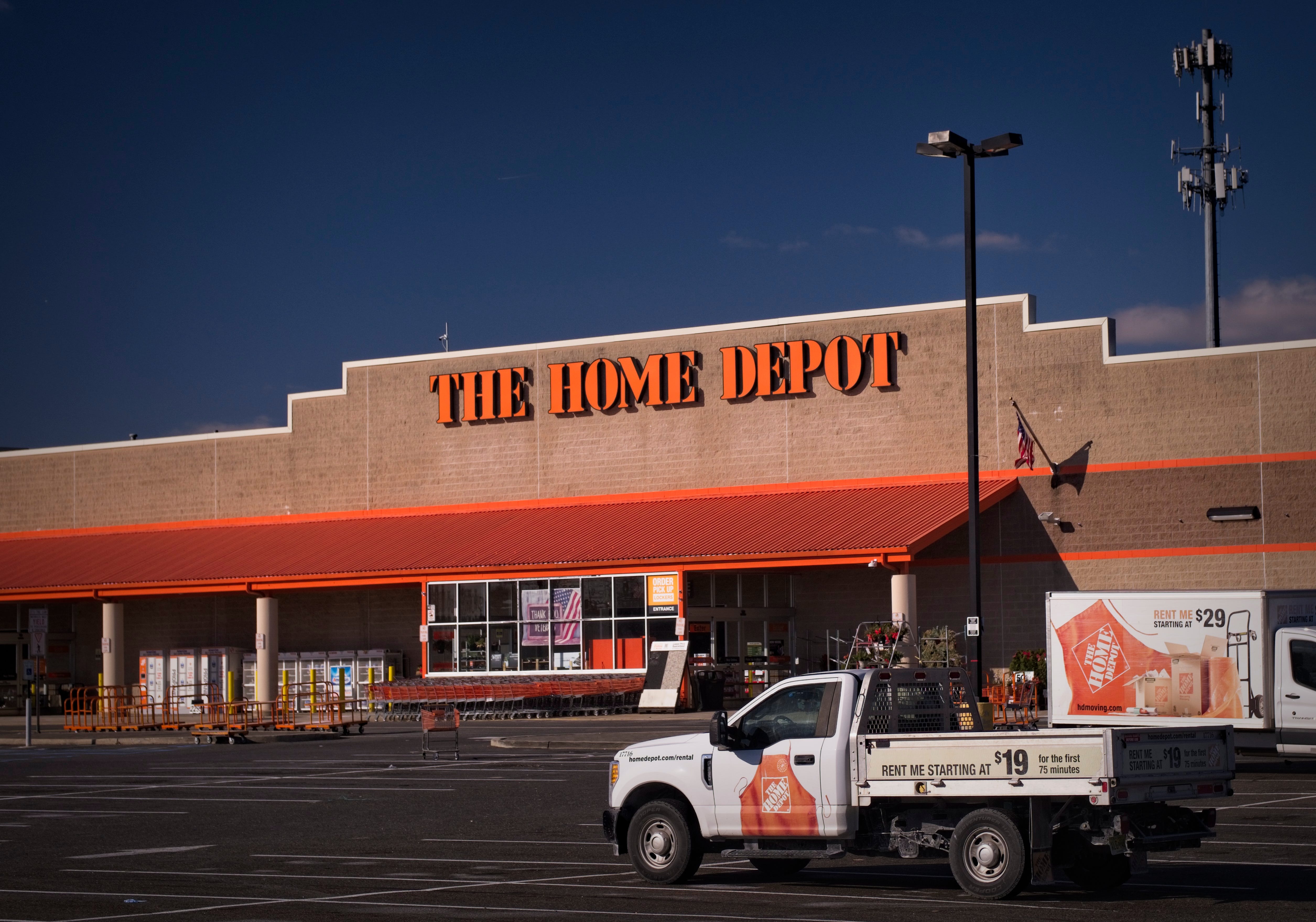
You do not need to own a full-sized pickup truck to transport sheets of plywood, bulk lumber, or newly purchased appliances. The “Load ’N Go” flatbed and cargo van rentals allow customers to move large purchases home for a flat fee for the first 75 minutes, requiring only a valid driver’s license, proof of insurance, and a deposit.
Overlooked Policies and Free In-Store Services
Many shoppers pay for items or services they could easily get for free or at reduced rates simply by asking an associate.
Complimentary Materials Cutting
The lumber and millwork departments feature vertical panel saws and radial arm saws. Associates will make cuts on dimensional lumber, plywood, and PVC pipe. While the policy generally allows a few free rough cuts to help fit materials into your vehicle, it can save you significant prep time when building simple utility shelving or subflooring.
The One-Year Plant Guarantee
One of the strongest guarantees in the retail nursery industry applies to the garden center. All perennial shrubs, trees, and hedges carry a full one-year warranty. If your newly planted rose bush, hydrangea, or maple tree dies within 365 days of purchase, you can return it to the customer service desk with your receipt for a full refund or direct exchange.
Free Paint Tint Adjustments and Custom Matching
If you purchase a custom can of paint and find that the tone appears slightly off once tested under your home’s lighting conditions, do not discard it. Bring the can back with your original purchase receipt. Paint department specialists can often tweak the formulation by adding white tint, dark base, or colorants to shift the undertone without charging for a brand-new can.
Timing Your Big Purchases: The Seasonal Sales Calendar
Home improvement products follow strict retail calendar rhythms. Timing major purchases around these cycles can save you anywhere from 20% to 50% on costly equipment.
- Spring Black Friday (April): The absolute best time of year for landscaping supplies, mulch, soils, lawnmowers, and patio furniture. Retailers compete aggressively, resulting in deeply discounted bulk garden goods.
- Memorial Day & Labor Day: Major holiday weekends trigger massive markdowns on major home appliances (refrigerators, washers, dryers, dishwashers), outdoor grills, and exterior stains.
- Red White and Blue Event (July 4th): Mid-season outdoor discounts and mid-year power tool combo kit promotions.
- Fall Holiday Season (November/December): The primary window for cordless power tool bundles (Milwaukee, DeWalt, Makita, and Ryobi). Manufacturers release value packs during this window, often throwing in free batteries, bare tools, or multi-tool kits that are not offered during standard months.
Putting It All Together
Becoming an efficient home improvement shopper requires looking past basic aisle displays. By relying on digital tools to track down specific inventory, reading the endings of yellow clearance tags, taking advantage of rental machinery, and holding onto plant receipts, you keep your project costs firmly in check. Plan your major purchases around national sales holidays, and you will turn every supply run into a high-efficiency, cost-saving trip.