The Emotional Blackmail of Fitness Leaks
The modern fitness industry runs on data. From macro calculators and check-in spreadsheets to progress photos and vulnerability journals, we hand over our most intimate details to online coaches in the pursuit of self-improvement. But what happens when that sacred trust is broken? The emotional blackmail of fitness leaks occurs when private coaching files, body measurements, and vulnerable notes are exposed, weaponized, or threatened with public exposure, leaving clients to deal with devastating psychological fallout.

While data breaches usually conjure images of corporate credit card numbers, a leak in the health and wellness space hits differently. It attacks your body image, your sense of safety, and your dignity. Understanding the mechanics of this breach and knowing how to protect your mental health is vital for anyone navigating the digital wellness landscape.
Understanding the Anatomy of a Fitness Data Leak
Fitness leaks rarely happen because of sophisticated state-sponsored cyberattacks. Instead, they usually stem from poor digital hygiene, compromised cloud storage, or, in malicious cases, disgruntled or unethical coaches who weaponize client files.
When you hire a coach, you often share deeply personal information:
Visual Progress: Semi-nude progress photos taken from multiple angles in private settings.
Biometric Data: Weight fluctuations, body fat percentages, menstrual cycle trackers, and metabolic health notes.
Psychological Vulnerabilities: Check-in messages detailing binge-eating episodes, body dysmorphia struggles, relationship stress, and self-doubt.
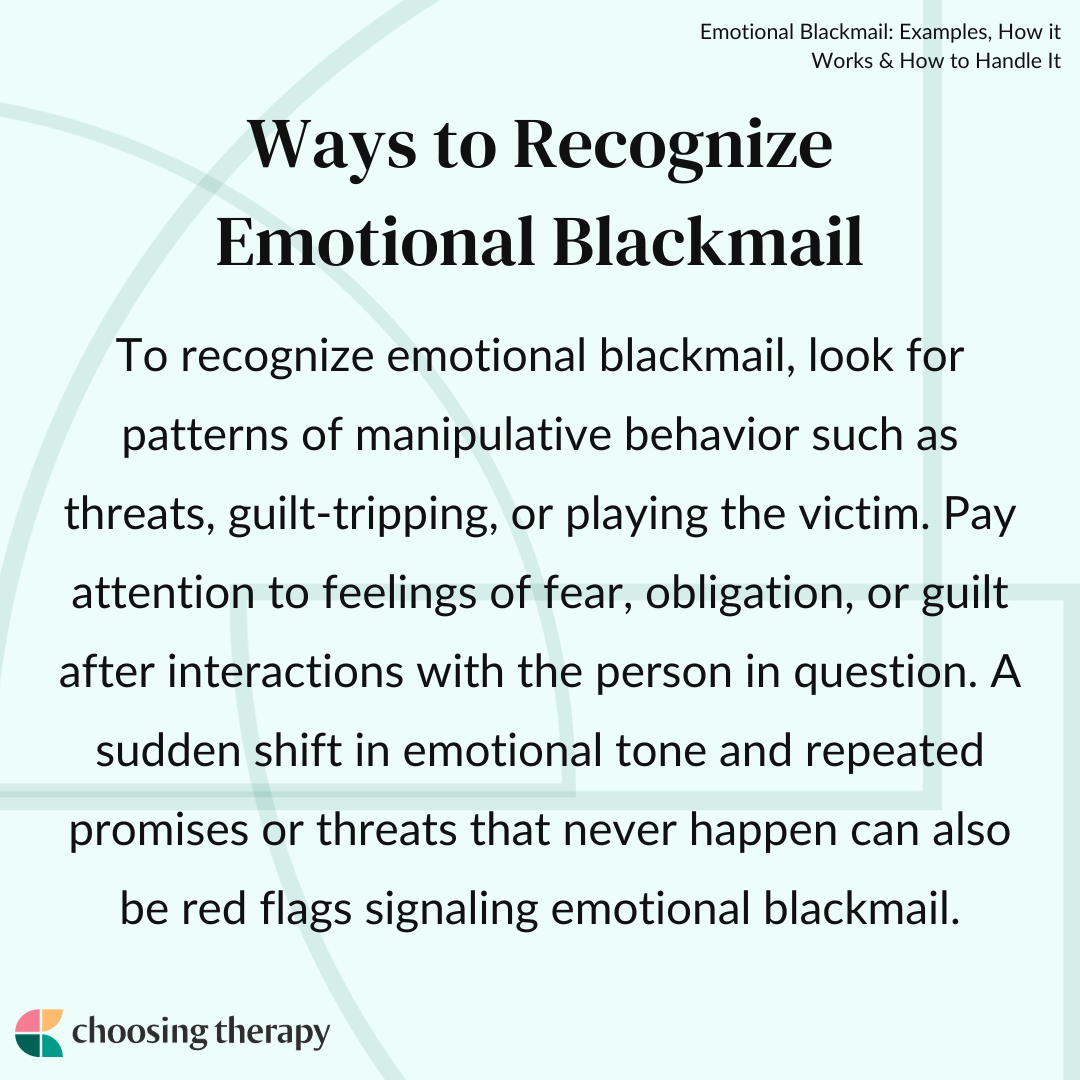
When these files are compromised, the perpetrator often uses them as leverage. This creates a terrifying dynamic where the victim feels trapped, paralyzed by the fear that their most vulnerable moments will be broadcasted to their employers, family, or social media followers.
The Psychological Toll: Why Leaks Feel Like Violation
The human brain processes a breach of physical or digital privacy through the same neural pathways as physical threat. When your body metrics and unposed photos go viral without your consent, the psychological impact is profound.
1. The Destruction of Body Safety
For many people, the gym and the fitness journey are already fraught with anxiety. Taking progress photos requires an immense amount of trust—both in the coach and in oneself. Having those photos stolen or leaked shatters the safe container the client built, often leading to a sudden regression in body image and a deep distrust of future wellness professionals.
2. Anticipatory Shame and Stigma

Victims of the emotional blackmail of fitness leaks often experience intense anticipatory shame. They spend hours scanning social media, waiting for the shoe to drop or for a friend to ask, 'Is this you?' This hyper-vigilance exhausts the nervous system, leading to sleep disturbances, panic attacks, and social withdrawal.
3. Misplaced Self-Blame
A cruel component of emotional blackmail is the internal narrative of fault. Clients often ask themselves, 'Why did I take those photos?' or 'Why did I trust that person?' It is crucial to remember that the blame lies entirely with the person who breached privacy or security—never the victim who shared data in good faith.
Immediate Steps to Take If Your Files Are Compromised
Discovering that your private fitness data or photos have leaked is terrifying, but taking systematic action can help you regain a sense of control.
Document Everything: Take screenshots of the leaked posts, messages, or extortion demands. Do not delete conversations with the coach, as this constitutes evidence.
Involve Legal Counsel: Unauthorized distribution of intimate or private personal data is illegal in many jurisdictions. Consult a lawyer regarding cease-and-desist letters or copyright takedowns (if you own the photos).
Report and Takedown: Utilize platform reporting tools to flag unauthorized content. Many social media networks and forums have strict zero-tolerance policies regarding non-consensual sharing of private imagery.
Cut All Contact: If the coach is attempting to blackmail you, cease all communication immediately. Do not negotiate with blackmailers; hand the matter over to legal authorities.
Rebuilding Trust in Your Wellness Journey
Healing from a digital violation takes time. It is entirely normal to step away from structured coaching regimens and focus purely on mental restoration. When—or if—you decide to return to working with fitness professionals, you can implement stricter boundaries to protect your digital footprint.
Always ask potential coaches how they store client data. Do they use encrypted, HIPAA-compliant software, or do they keep unorganized files in a loose Google Drive folder? Opt for professionals who respect data privacy, use pseudonyms or crop out identifying facial features in photos if it increases your comfort level, and remember that your worth is never defined by a spreadsheet or a digital file.
Ultimately, the rise of digital wellness demands better security standards and stronger legal protections for clients. By shining a light on these abusive practices, we can strip away the power of blackmailers and reclaim agency over our bodies and our data.