The Emotional Blueprint behind Every Viral Discover Article
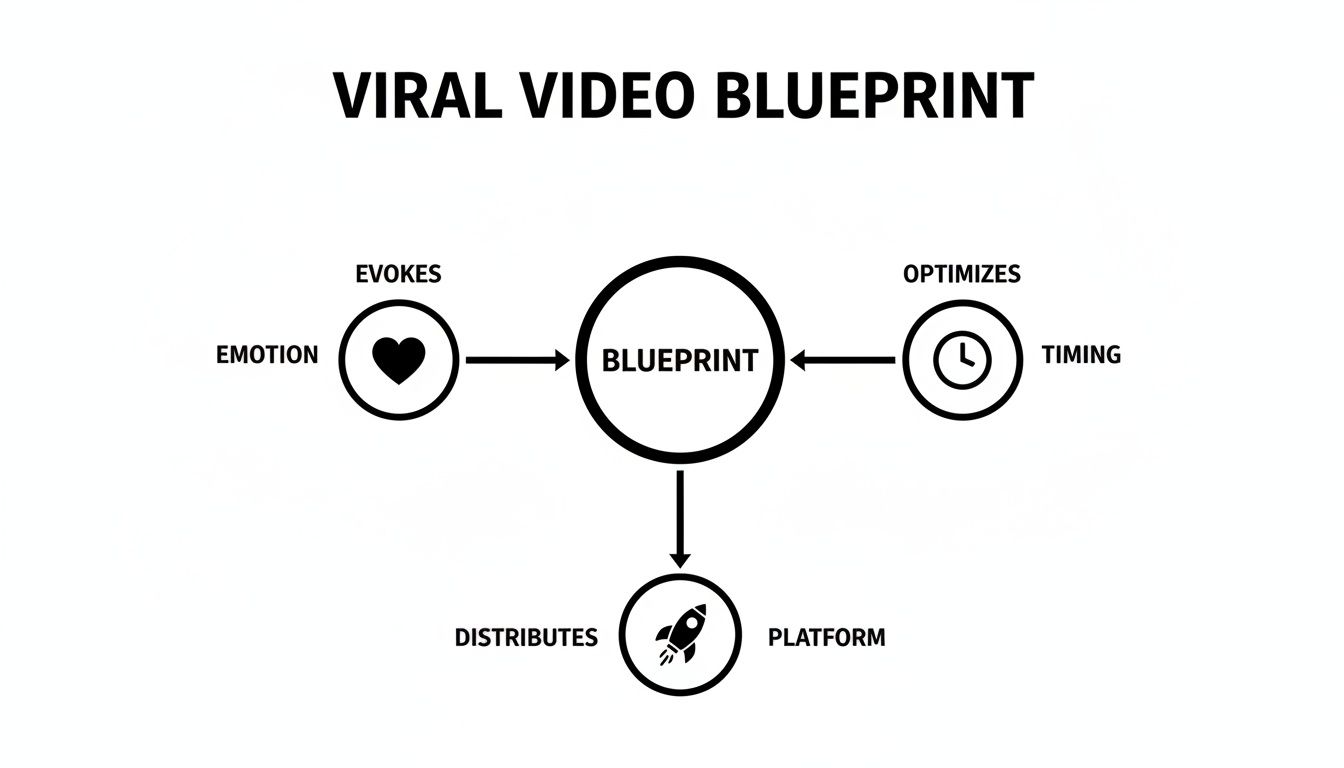
Open Google Discover, Apple News, or your social media feed right now. Scroll through the top-performing cards. What do they have in common? While the topics range from celebrity transformations to obscure historical facts, their underlying architecture is identical. There is a precise formula driving their success, and it all comes down to the emotional blueprint behind every viral Discover article.

Content creators often chase SEO keywords or trending hashtags, wondering why their traffic falls flat. They miss the human element. Algorithms like Google Discover do not click articles; humans do. And humans are driven by primal emotional responses, cognitive biases, and an insatiable desire to make sense of the world. By examining the emotional DNA of high-performing content, you can reverse-engineer what makes readers stop scrolling and tap.
The Anatomy of Reader Curiosity
Curiosity is not just a casual interest; it is a psychological itch that demands to be scratched. Viral articles do not just answer questions; they weaponize unanswered questions. This mechanism relies heavily on what psychologists call the Information Gap Theory.
When a headline or thumbnail presents a scenario that defies normal expectations, it creates cognitive dissonance. The brain experiences a mild state of discomfort because what it knows does not match what it is seeing. To resolve this discomfort, the reader has no choice but to click and read the article. However, sustaining that click requires moving beyond simple curiosity into deeper emotional resonance.
Core Triggers of the Emotional Blueprint
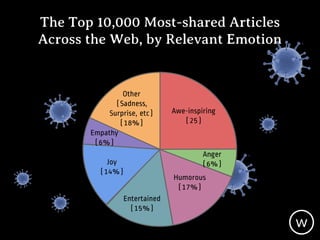
Every piece of viral content borrows from a specific palette of human emotions. Rarely does a viral article evoke sadness or neutrality; instead, they target high-arousal emotions that compel action, sharing, and commenting.
1. Awe and Wonder
Awe is the emotion we feel when we encounter something vast that transcends our current understanding of the world. It might be a breakthrough in space exploration, a miraculous survival story, or an astonishing architectural feat.
When readers feel awe, their worldview expands temporarily, and they experience a strong desire to share that feeling with others. Articles that leverage awe often use phrases like “Scientists are baffled by...” or “This hidden marvel changes everything we know about...”
2. Outrage and Injustice
Negative emotions are powerful drivers of engagement, but outrage is arguably the most potent. People hate unfairness. When an article highlights corporate greed, a blatant double standard, or a ridiculous bureaucratic failure, it activates the brain's threat and fairness detection centers.
Video: The Emotional Blueprint of a Song | Vibhuti Sharma | TEDxBocconiUMumbai

Readers feel a compulsive need to validate their moral stance by sharing the article with their network, accompanied by their own commentary. While outrage-driven content can feel manipulative if overused, addressing genuine societal frictions builds immense readership loyalty.
3. Nostalgia and Comfort
In an increasingly fast-paced and uncertain world, nostalgia acts as an emotional sanctuary. Articles that trigger memories of childhood, classic television shows, discontinued products, or simpler decades perform exceptionally well on feed-based algorithms.
Nostalgia is fundamentally a bittersweet emotion. It reminds readers of what they have lost or how much time has passed, creating a warm, reflective state that makes them highly receptive to storytelling.
Structuring the Narrative Arc
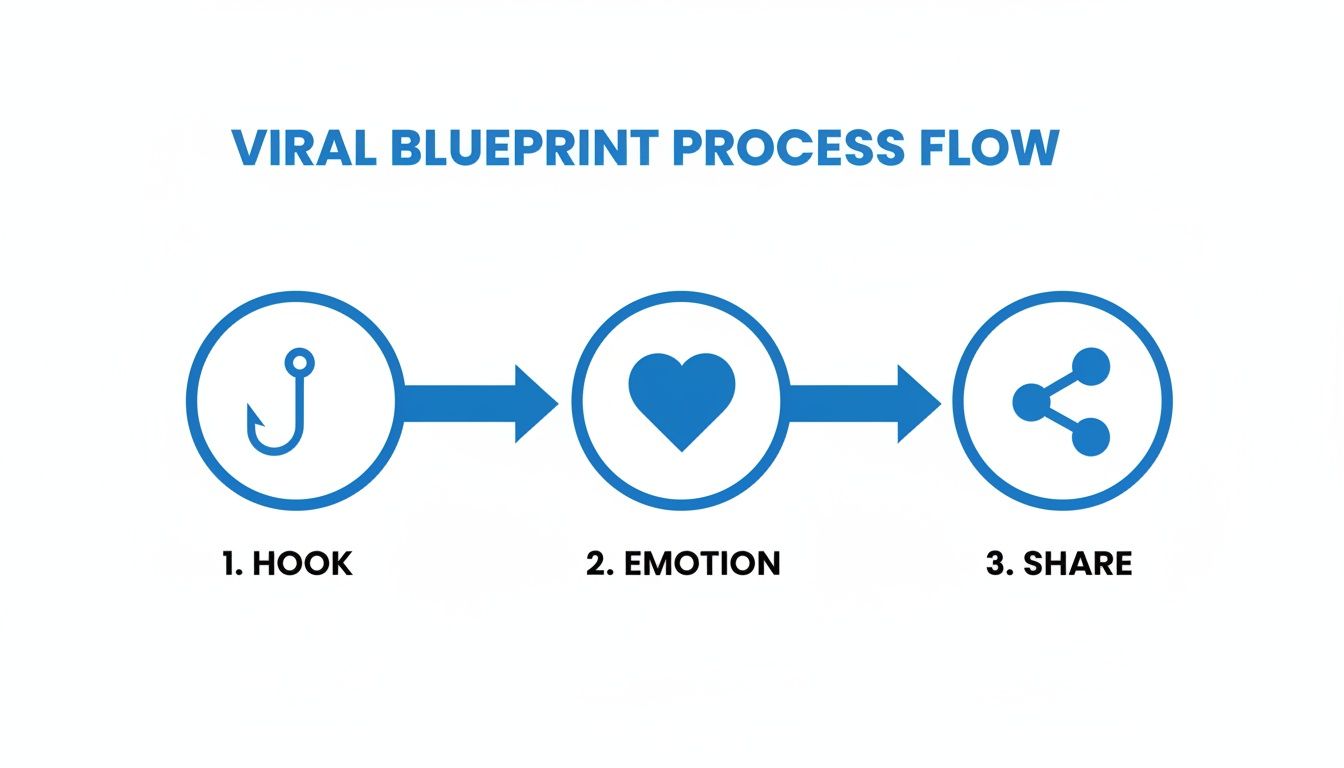
Once an emotional hook secures the initial click, the article's structure must sustain that momentum. Viral pieces do not read like dry academic essays. They flow like a cinematic experience, designed to keep the reader's adrenaline steady from the first paragraph to the concluding sentence.
- The Hook Paragraph: Immediate immersion. No throat-clearing, no lengthy introductions. Start in the middle of the action or present an undeniable paradox.
- The Pacing Shift: Alternating between high-tension revelations and brief moments of breathing room. If every sentence is an emotional peak, the reader becomes fatigued.
- The Payoff: Delivering on the promise made by the headline. Deceptive clickbait builds short-term traffic but destroys long-term algorithmic trust. The best viral articles satisfy the curiosity gap honestly.
Algorithmic Amplification of Human Psychology
Modern recommendation engines are essentially psychological pattern matchers. Algorithms do not understand emotions, but they track behavioral telemetry with terrifying accuracy.
When a subset of users with specific profile traits clicks, scrolls, lingers, and shares an article, the algorithm identifies the emotional signature of that success. It then matches the content with a broader audience exhibiting similar behavioral patterns. In essence, the algorithm acts as an amplifier for human neurochemistry.
Ethical Considerations for Content Creators
Understanding the emotional blueprint behind viral content comes with professional responsibility. Relying exclusively on manufactured outrage or extreme fear-mongering leads to audience burnout and brand degradation. Sustainable content strategy balances high-arousal emotional triggers with genuine utility, accurate reporting, and respectful framing.
When you respect your reader's intelligence while engaging their emotions, you build a powerful engine for organic growth. Master the emotional blueprint, align your narrative structure with human psychology, and watch your content rise to the top of the feeds.