The Emotional Catalyst Behind Backlash and Breakthroughs
Understanding the Friction of Change

Have you ever noticed how a groundbreaking idea or a sudden cultural shift almost always triggers an aggressive, knee-jerk backlash? Whether it is a revolutionary technology, a shifting social norm, or a personal reinvention, progress rarely happens in a vacuum. Instead, it meets immediate resistance. Yet, strangely enough, that very same friction often paves the way for monumental breakthroughs.
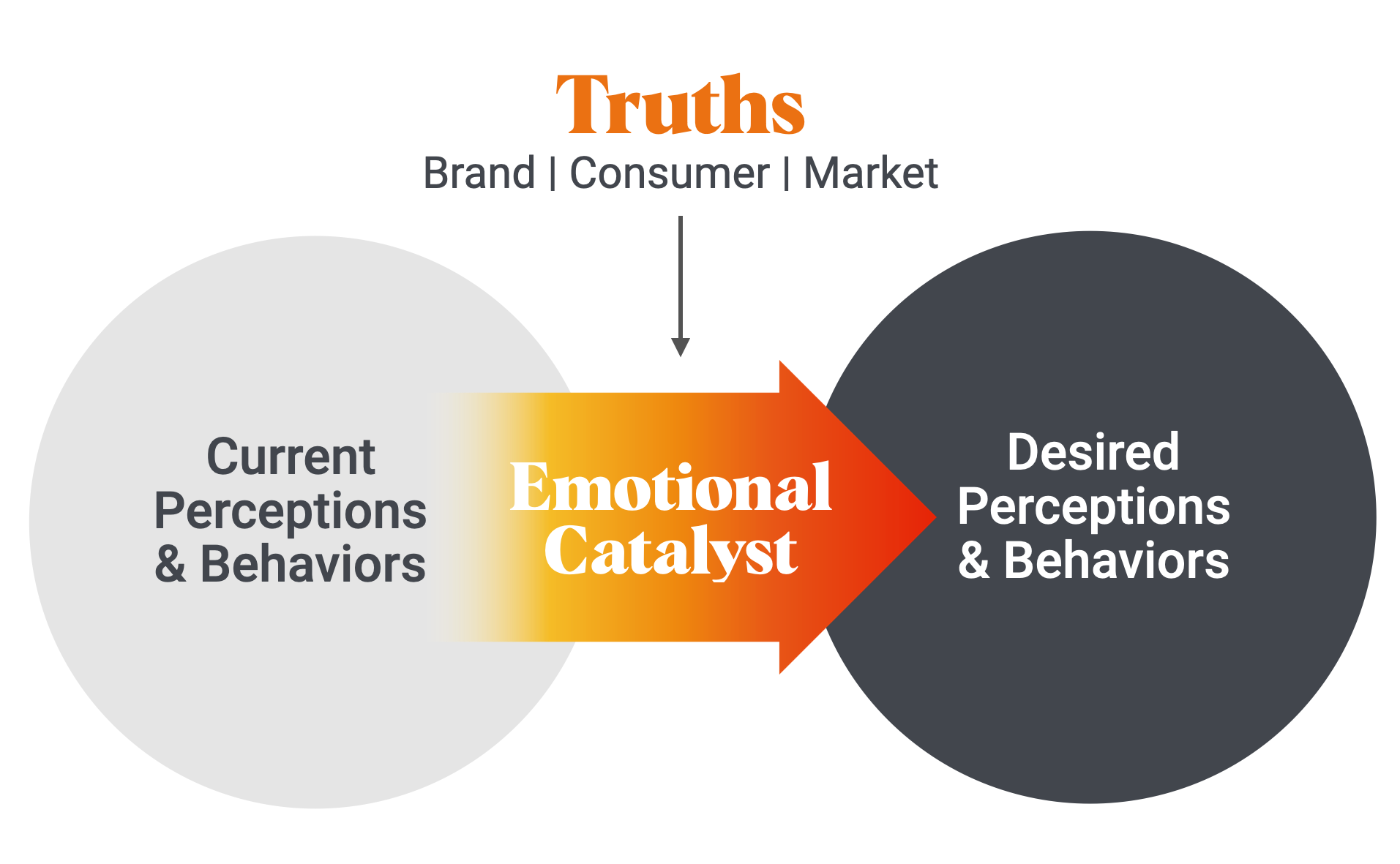
When looking beneath the surface of these opposing forces—public outrage on one side and radical innovation on the other—we find a shared origin point. This Is the Emotional Catalyst Behind the Backlash and Breakthroughs we experience in both society and our personal lives: cognitive dissonance paired with threatened identity.
To navigate modern culture, lead teams, or reinvent yourself, you must understand how this emotional engine works. When you recognize why people fight back against new ideas, you can stop taking resistance personally and start using it as fuel for actual progress.
The Psychology of Cognitive Dissonance
At the heart of every major backlash lies cognitive dissonance—the deeply uncomfortable mental stress someone feels when holding two contradictory beliefs, ideas, or values. Human brains crave consistency, predictability, and safety. When a new concept threatens an established worldview, the brain does not immediately evaluate the idea objectively. Instead, it sounds an internal alarm.
This alarm system triggers a fight-or-flight response. Because physical combat or fleeing is rarely an option in modern discourse, the body channels that stress into anger, dismissal, or hostility. The backlash is rarely about the facts of the matter; it is an emotional defense mechanism designed to protect the ego from destabilization.
Why Identity Protection Triggers Anger
People do not just hold beliefs; they integrate those beliefs into their core identity. When a new invention, policy, or creative work challenges an industry, those working within it feel their personal relevance slipping away. The emotional cascade looks like this:
- Perceived Threat: A new paradigm disrupts the status quo.
- Identity Friction: The individual feels their expertise or lifestyle is being invalidated.
- Emotional Backlash: Anger, cancel culture, skepticism, or outright rejection manifests to restore order.
This dynamic explains why historical breakthroughs—from the printing press to artificial intelligence—faced fierce opposition. The backlash is a reliable metric indicating that the status quo has been successfully shaken.
Turning Friction into a Breakthrough
Video: Ep 20 Let us share and heal

While backlash represents the defensive phase of human psychology, breakthroughs represent the adaptation phase. The same emotional energy that fuels resistance, when properly channeled, can power innovation. The difference between a destructive backlash and a constructive breakthrough lies entirely in how we process the discomfort of change.
The Dual Path of the Emotional Catalyst
When confronted with a massive shift, individuals and organizations generally take one of two routes:
- The Defensive Loop: Doubling down on outdated methods, attacking the messenger, and seeking comfort in echo chambers. This leads to stagnation and irrelevance.
- The Transformative Loop: Acknowledging the discomfort, investigating the root cause of the resistance, and adapting the mental model. This leads to profound personal growth and market-leading innovation.
Innovators who understand this dynamic do not try to eliminate backlash. They anticipate it. They realize that if an idea does not make anyone uncomfortable, it is likely too incremental to matter.
Practical Ways to Navigate Backlash
Whether you are launching a product, sharing a controversial artistic vision, or trying to change your own habits, you will encounter this emotional resistance. Here is how to handle it effectively:
- Separate the Critic from the Criticism: Recognize that angry feedback is usually a symptom of fear, not a logical critique of your work. Do not match emotional defensiveness with counter-attacks.
- Lower the Barrier to Entry: If you want to bypass someone's defense mechanisms, introduce change incrementally rather than forcing a complete paradigm shift overnight.
- Reframe Resistance as Validation: If people are merely indifferent, you have a marketing or clarity problem. If people are actively pushing back, you have touched on something that genuinely matters.
Harnessing the Catalyst for Personal Growth
On an individual level, you can use this emotional catalyst to drive your own breakthroughs. Pay attention to the topics, opinions, or lifestyles that trigger an immediate, visceral reaction of anger or disgust within you. Often, our strongest negative reactions point directly toward our own unexamined biases or areas where we desperately need to grow.
When you feel a strong urge to lash out against a new trend or a different perspective, pause. Ask yourself: *What am I afraid of losing? What belief of mine is being challenged right now?* By shining a light on your own cognitive dissonance, you short-circuit the defensive backlash and open the door to a personal breakthrough.
Conclusion
Backlash and breakthroughs are two sides of the same psychological coin. They are both triggered by the unsettling realization that the world is changing faster than our mental models can keep up. By understanding the emotional catalyst driving this friction, you can stop fearing resistance and start leveraging it as proof that you are finally making a real impact.