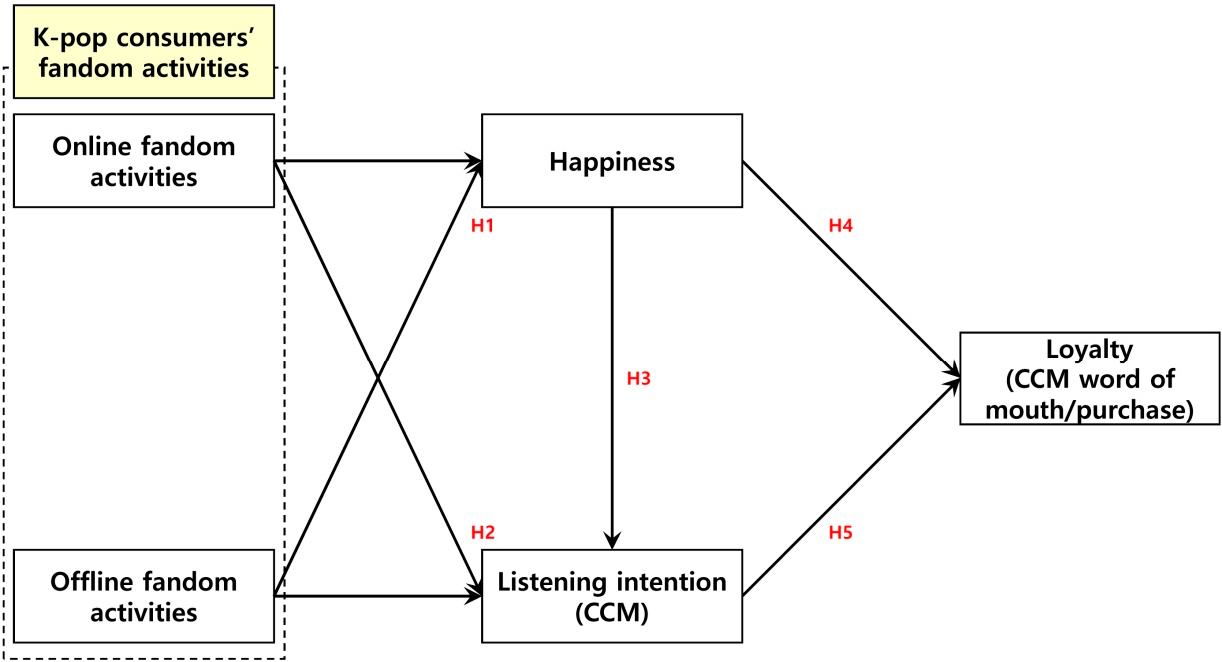
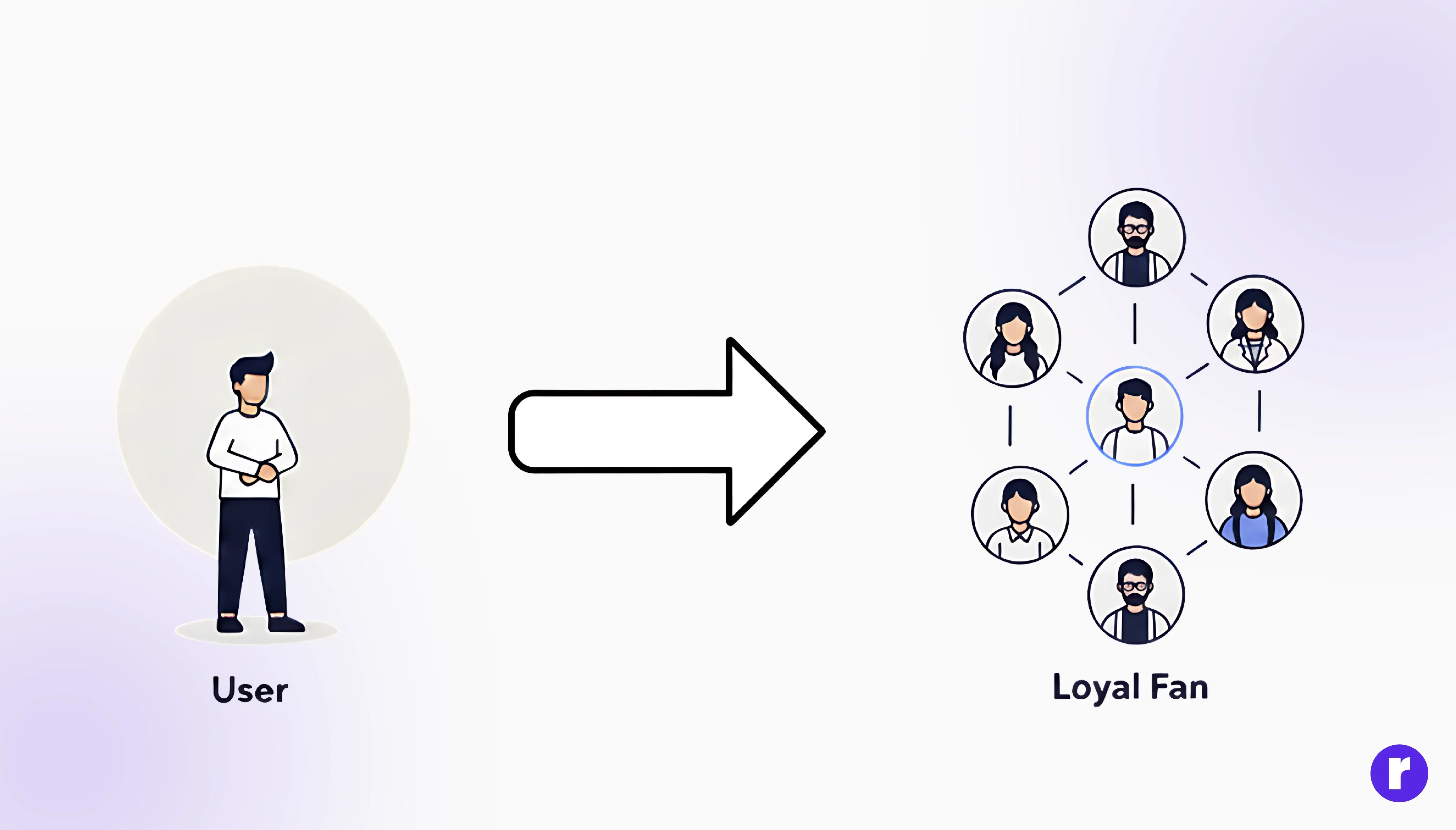
The Emotional Hook That Turns Casual Browsing Into Fan Loyalty
Every day, millions of digital consumers scroll through product catalogs, social media storefronts, and landing pages with detached curiosity. They compare prices, evaluate specifications, add items to wish lists, and then close the tab without a second thought. Breaking through this passive indifference requires more than competitive pricing or faster shipping; it demands understanding the emotional hook that turns casual browsing into fan loyalty. When a brand connects with a consumer’s identity, values, or aspirational self, a mundane transaction evolves into an enduring relationship.
The Psychology of the Scroll: Why Features Fail
Modern consumers suffer from choice fatigue. Digital commerce has commoditized utility: if someone needs an insulated water bottle, a mechanical keyboard, or organic skincare, hundreds of identical options sit just one search query away. Focusing purely on functional utility makes your brand replaceable the moment a competitor offers a 10% discount.
Behavioral economists have long recognized that human decisions stem from intuitive, emotional processing rather than clinical cost-benefit analyses. When consumers browse passively, their cognitive guard is up. Rational arguments—such as technical specifications or bullet points of features—appeal to the analytical mind, which naturally looks for flaws or cheaper alternatives. An emotional hook, by contrast, bypasses friction by addressing core psychological drivers:
- Belonging: The desire to align with a community or cultural ethos.
- Status and Aspiration: The pursuit of an upgraded version of oneself.
- Validation: The comfort of feeling seen, understood, and championed by a creator or company.
The Three Pillars of an Effective Emotional Hook
Transforming window shoppers into passionate evangelists requires deliberate architectural choices in your messaging, narrative, and user experience. Three core pillars establish this bridge.
1. Shared Identity and Tribal Affiliation
People rarely buy products purely for what they do; they buy them for what they symbolize about the owner. When someone purchases athletic gear from Patagonia, they are not simply buying recycled fleece; they are publicly declaring their commitment to environmental stewardship. The brand serves as a badge of identity.
To build an emotional hook, your brand narrative must clearly demarcate who you are for—and equally important, who you are not for. Ambiguity breeds apathy. Clear values allow a casual browser to think: "These are my people."
2. The Underdog and Vulnerability Narrative
Flawless, corporate polished facades create distance. Human beings bond over vulnerability, obstacles overcome, and transparent journeys. Founder stories that detail genuine early struggles, supply chain setbacks, or the refusal to compromise on specific ethical standards create empathy.
When consumers understand the human cost and dedication behind a product, purchasing shifts from a commercial exchange to an act of support. They aren't just buying inventory; they are funding a mission.
3. The Peak-End Rule in Micro-Interactions

Psychologist Daniel Kahneman demonstrated that people judge an experience largely based on how they felt at its peak (the most intense point) and at its end. In digital browsing, most journeys end abruptly at a checkout wall or an impersonal confirmation email.
Brands that cultivate intense fan loyalty design unexpected micro-moments into the journey. This might include witty, character-driven error pages, personalized video confirmations, or packaging unboxing experiences that feel like opening a gift from a friend rather than a warehouse shipment.
Crafting the Emotional Hook That Turns Casual Browsing Into Fan Loyalty
Moving from conceptual psychology to practical execution requires reshaping your customer touchpoints. Here is a framework to embed emotional resonance into your funnel:
- Audit Your Value Proposition: Review your primary headlines and hero banners. Do they describe the physical object, or do they articulate the emotional transformation? Shift your language from what the product does to who the customer becomes when they use it.
- Showcase Proof of Tribe: Replace generic customer reviews with user-generated stories that spotlight identity. Show your community using the product in ways that reflect their lifestyle, passions, and creative triumphs.
- Inject Conversational Intimacy: Strip away sterile corporate jargon. Write product descriptions and onboarding sequences as if you were emailing a close collaborator or confidant. Voice creates warmth, and warmth encourages trust.
- Reward Engagement, Not Just Spend: True fans want to participate. Create opportunities for casual browsers to vote on upcoming features, join insider forums, or contribute to charitable initiatives aligned with your brand ethos.
Case Studies: Resonance Over Reductions
Consider the contrast between traditional razor companies and direct-to-consumer pioneers like Dollar Shave Club or Harry's. For decades, legacy manufacturers competed in an escalating technological war of additional blades, lubricating strips, and ergonomic handles. Dollar Shave Club pierced the market not by boasting superior steel, but with an irreverent, relatable video that validated the customer's frustration with over-engineered, overpriced razors. The emotional hook—shared humor and frustration—converted millions of browsers into subscribers overnight.
Similarly, in the software space, Notion and Figma turned utilitarian productivity tools into passionate subcultures. They achieved this by celebrating their power users, highlighting independent templates, and fostering environments where using the software feels like participating in a design movement rather than doing office work.
Measuring Emotional Resonance Beyond Vanity Metrics
While emotional connection feels subjective, its commercial impact shows up clearly in your key performance indicators:
- Direct and Branded Search Volume: An increase in users searching for your brand name rather than generic category keywords indicates top-of-mind affinity.
- Organic Repurchase Rates: High repeat purchase frequency without heavy retargeting spend signals intrinsic customer devotion.
- Community-Driven Referrals: Fans act as voluntary ambassadors, generating word-of-mouth growth that lowers customer acquisition costs (CAC).
- Price Inelasticity: Loyal fans remain committed even when inflation or operational costs force minor price increases, because the emotional value outweighs marginal price differences.
From Browsing to Belonging
Transactions build balance sheets, but emotional connections build lasting institutions. In an era dominated by algorithmic feeds and automated commerce, authentic resonance is the rarest commodity on the internet. By anchoring your brand in shared identity, vulnerable storytelling, and human-centric experiences, you deliver the spark that turns detached digital window shoppers into lifelong brand champions.