The Emotional Timer Behind Fined Content’s Explosive Share
In the fast-paced ecosystem of social media, certain pieces of content detonate with sudden, uncontrollable force. A corporate penalty, a regulatory fine, or a public sanction is suddenly thrust into the digital spotlight, accumulating tens of thousands of retweets, saves, and shares within hours. Brands scratch their heads wondering how a dry legal document or a regulatory penalty gained more traction than a carefully budgeted marketing campaign. The secret lies in understanding the emotional timer behind fined content’s explosive share.

When a company or public figure is fined, it triggers a precise sequence of human reactions. Unlike positive content, which often elicits passive appreciation, punitive news acts as a psychological catalyst. It creates a ticking clock of relevance, urgency, and moral validation that compels users to hit the share button immediately.
The Anatomy of a Regulatory Penalty Online
To understand why fines go viral, we must first look at how they are presented and consumed. Regulatory bodies rarely design their announcements for the general public. Yet, when an investigative journalist or a vigilant internet user extracts that data and frames it as a transgression, the dynamic changes instantly.
Fined content is rarely just about money; it is about accountability. It signals to the audience that a powerful entity has broken the rules and has been caught. This transforms a dry administrative penalty into a compelling narrative of justice, retribution, and exposure.
High-Arousal Emotions as Fuel
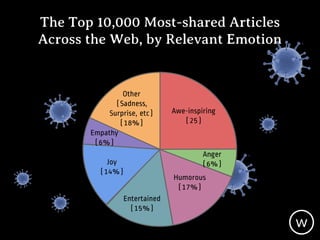
At the core of viral mechanics are high-arousal emotions. Psychologists Jonah Berger and Katherine Milkman demonstrated in their landmark studies on virality that content evoking high-arousal states—such as anger, awe, or anxiety—is significantly more likely to be shared than content evoking low-arousal states like sadness.
- Anger: Discovering that a trusted brand cut corners or violated a fine print regulation triggers protective outrage.
- Schadenfreude: Seeing a wealthy corporation or arrogant executive get penalized provides a rush of systemic validation.
- Anxiety: Realizing that a product you use daily is unsafe or unethical creates a personal stake in spreading the warning.
Fined content is a masterclass in combining anger and schadenfreude. It gives people a socially acceptable reason to point fingers and express indignation en masse.
How the Emotional Timer Drives Instant Urgency
The concept of an emotional timer refers to the narrow window of peak relevance that punitive news occupies. Unlike evergreen content that can be read anytime, a breaking fine operates on a strict psychological countdown.
1. The Fear of Missing Out (FOMO) on Justice

When a major fine drops, social media users want to be part of the collective conversation. If you post about a corporate penalty three weeks after it happened, you look outdated. The timer dictates that you must react *now* to signal to your peers that you are informed, socially conscious, and ahead of the curve.
2. Narrative Decay
News cycles move at breakneck speed. A juicy penalty against a tech giant or retail chain has a shelf life of roughly 24 to 48 hours before the public moves on to the next scandal. This compression of time forces an explosive burst of sharing as users try to extract maximum social currency from the story before it expires.
3. Signaling Virtuous Identity
Sharing a fine levied against a bad actor allows individuals to curate their online identity. By broadcasting the punishment, the sharer implicitly communicates: "I stand against this behavior." The ticking timer ensures they rush to plant their flag before the cultural moment shifts.
Leveraging the Mechanics Ethically
Content creators and digital strategists often study viral mechanics to improve their reach, but weaponizing manufactured outrage can backfire. If a brand attempts to manufacture faux-indignation over minor infractions, audiences quickly develop fatigue and cynicism.
However, understanding these psychological triggers allows communicators to frame genuine accountability reports, transparency metrics, and compliance updates in a way that resonates. When presenting corrective actions or industry warnings, highlighting the human impact and the stakes involved ensures the message cuts through the noise.
Conclusion
The explosion of fined content on social media is not an accident of the algorithm; it is a predictable human reaction to the intersection of justice, high-arousal emotion, and time-sensitive urgency. By recognizing how the emotional timer behind fined content’s explosive share operates, creators and analysts can better understand the forces that capture our collective attention online.