The Evolution of Goalies Today in Modern Hockey
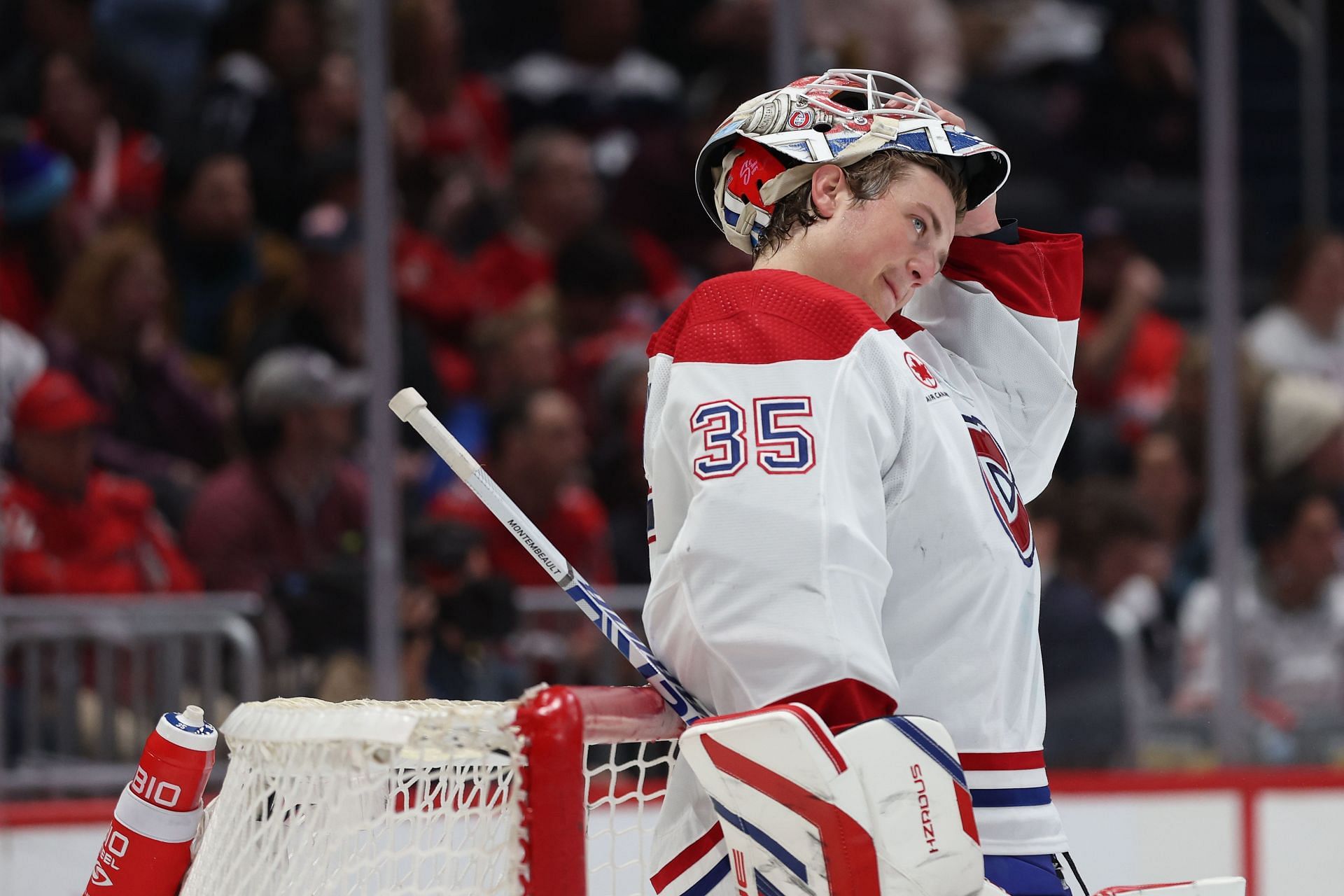
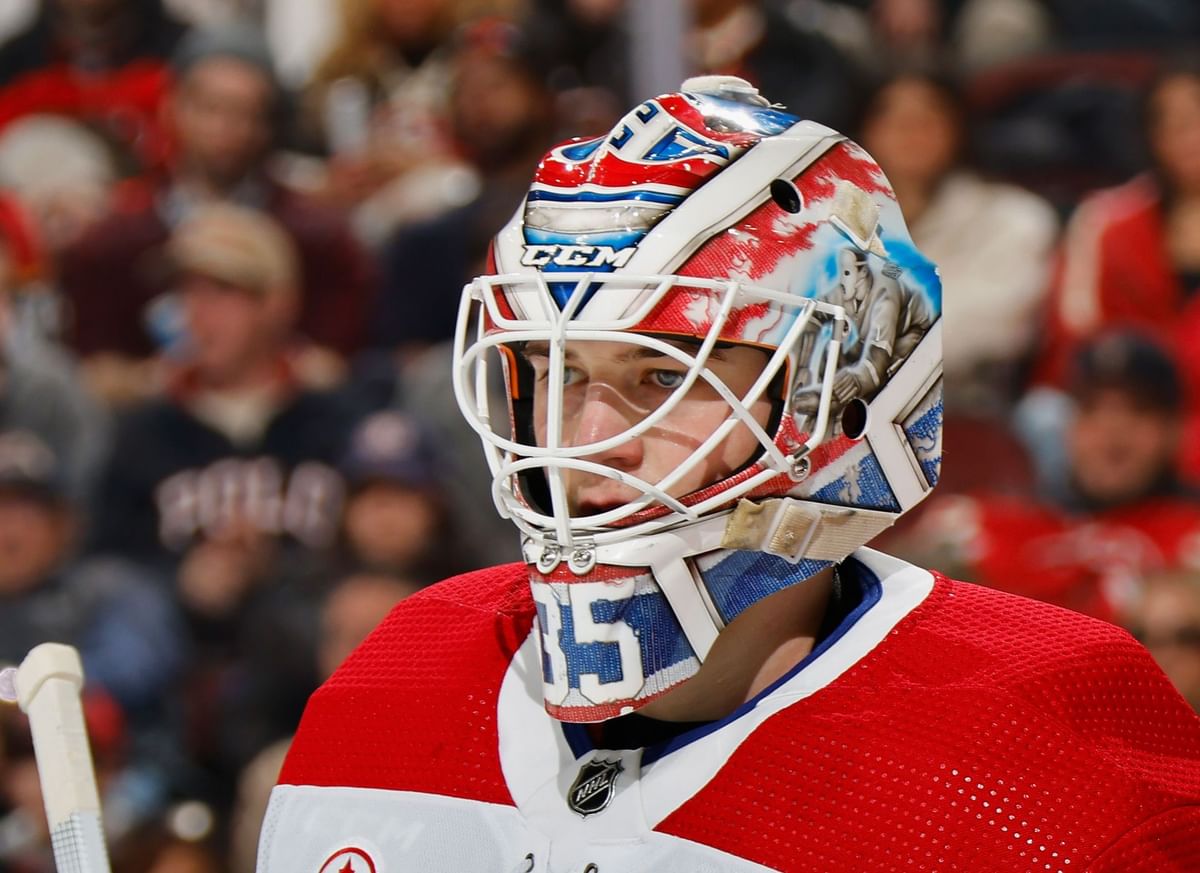
The position of the ice hockey goaltender has undergone a staggering transformation over the last few decades. Gone are the days of the stand-up goaltender relying purely on reflexes, guesswork, and heavy leather equipment. Today's netminders are finely tuned tactical athletes who use physics, biomechanics, and advanced visual tracking to shut down the world's best shooters. From how they train in the offseason to how they position themselves on every shot, goalies today operate at a level of precision that previous generations could only imagine.
The Technical Revolution: Perfecting the Butterfly
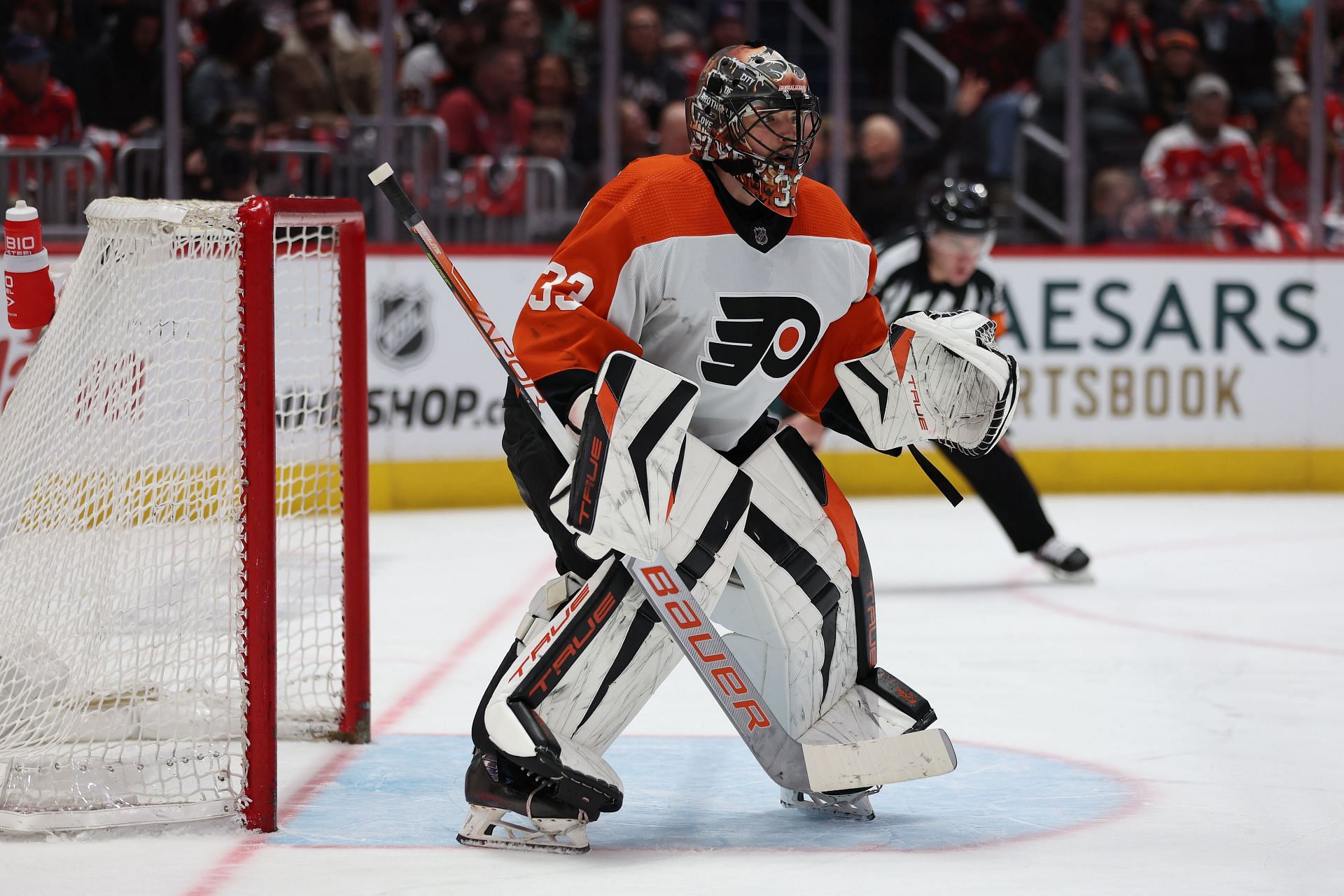
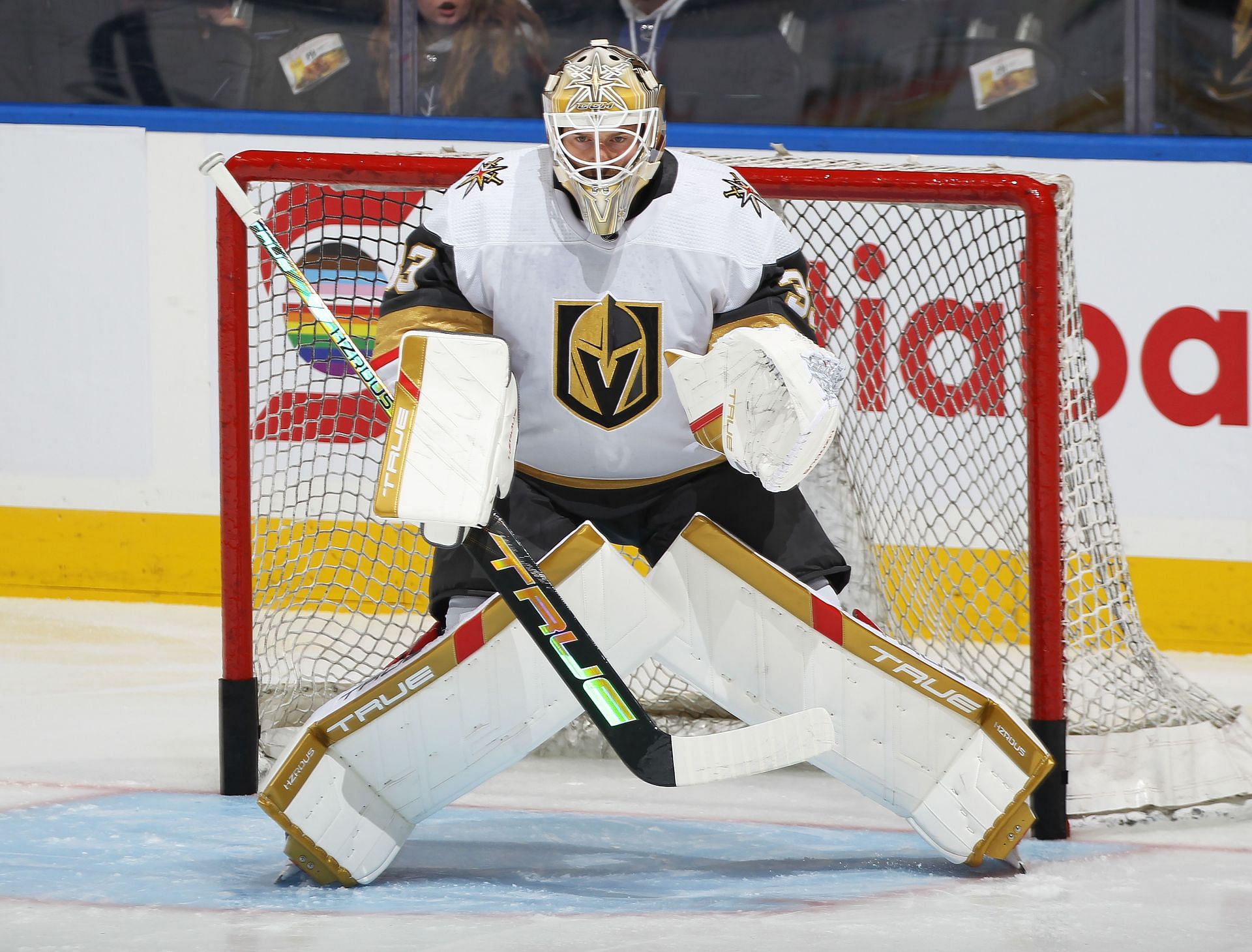
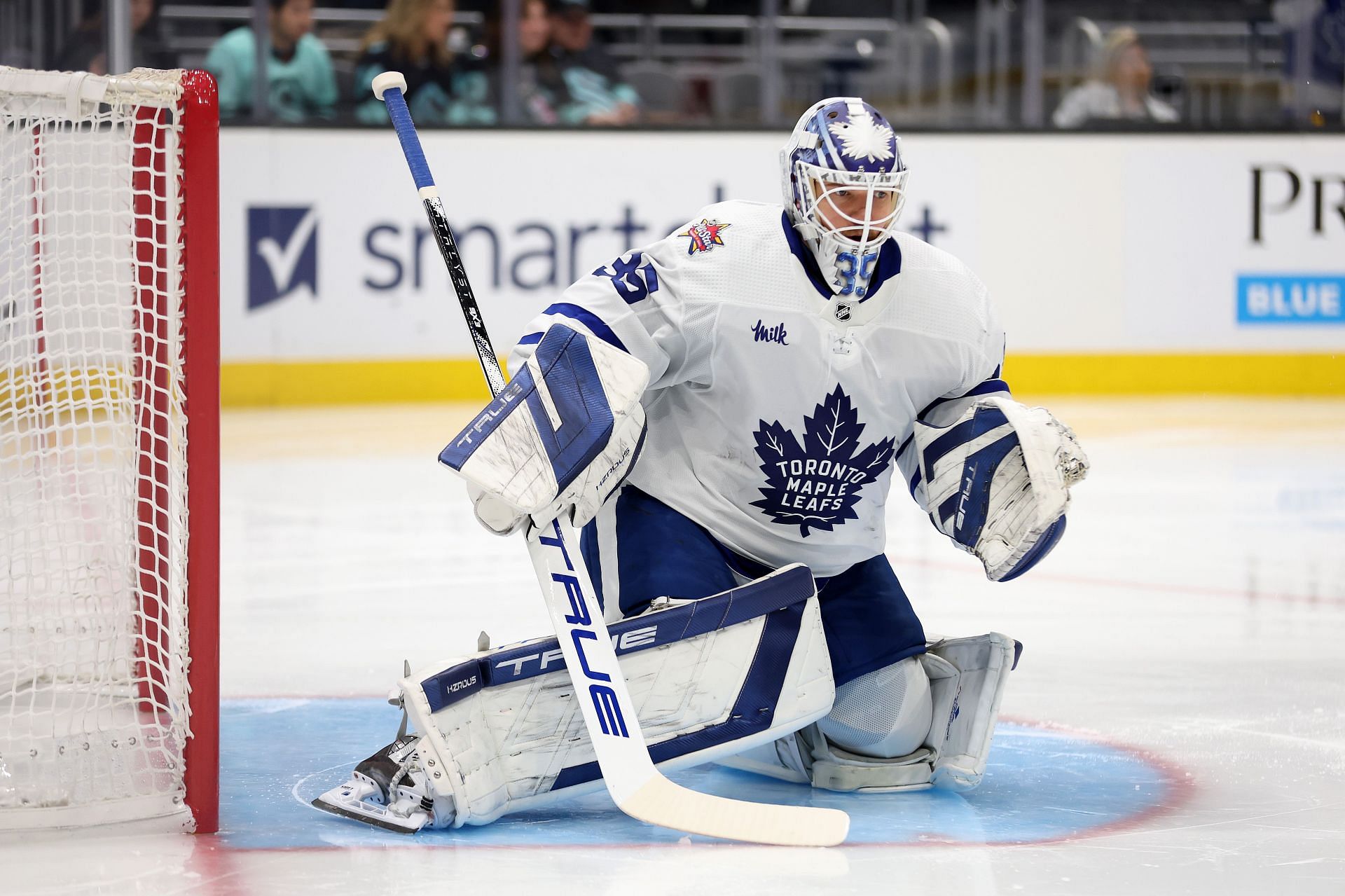
The foundation of modern goaltending is the butterfly style—a technique where the goalie drops to their knees with their skates pointing outward and pads flaring to seal the ice. While pioneers introduced variations of this style decades ago, goalies today have refined it into an exact science. Pad technology, which is lighter, stiffer, and designed to maximize coverage, allows netminders to slide rapidly from post to post while maintaining a sealed ice surface.
However, modern goaltending is no longer just about dropping to the ice blindly. Elite netminders practice "controlled mobility," knowing precisely when to stay on their feet to challenge shooters on high angles and when to drop into the butterfly. This hybrid approach prevents players from scoring over the shoulders while still eliminating the five-hole.
Athleticism and Physical Conditioning
The physical demands placed on goalies today rival those of any sport on earth. To survive a grueling 82-game NHL season or a competitive amateur schedule, goaltenders must possess a unique blend of flexibility, core strength, and explosive lower-body power.
- Explosive Power: Off-ice training focuses heavily on Olympic lifts and plyometrics to generate maximum push-off force from the crease.
- Flexibility and Durability: Yoga, hip-mobility work, and dynamic stretching are essential to prevent groin and labrum injuries common in the butterfly style.
- Cardiovascular Endurance: High-intensity interval training (HIIT) prepares goalies to maintain peak focus and recovery rates during extended defensive zone pressure.
Mental Fortitude and Visual Tracking
Physical skills alone cannot stop a 90 mph slapshot or a tic-tac-toe passing play. The psychological aspect of the position has become a major focus for goalies today. Modern netminders work extensively with sports psychologists to manage the inevitable adversity of giving up a bad goal and maintaining absolute focus.
Video: Matthews sealed it with ice-cold nerve
The Science of Puck Tracking
Visual training is a cutting-edge component of modern goaltending development. Goalies use stroboscopic glasses, specialized vision boards, and eye-tracking software to train their brains to pick up the puck through traffic. By focusing on tracking the puck cleanly from the shooter's blade all the way to their glove or chest, goalies today reduce reliance on pure reaction time, positioning themselves where the puck is going rather than chasing it after it moves.
Puck-Handling as a Third Defenseman
Another defining characteristic of goalies today is their ability to play the puck outside of the crease. In the era of the neutral-zone trap, goalies mostly stayed glued to their goal line. Today, rules changes like the trapezoid and the high tempo of modern forechecks require netminders to act as an extra defenseman.
Goalies actively retrieve dumped-in pucks behind the net, break up cycles, and initiate breakouts with crisp, tape-to-tape passes. A goaltender who can reliably stop the forecheck relieves immense pressure from their defensemen and drastically alters how opposing teams execute their dump-and-chase strategies.
The Future of Goaltending
As shooters become more skilled, sticks become more whippy, and stick curves allow for unpredictable shots, goalies will continue to adapt. Artificial intelligence and video analytics are already helping netminders study opposing shooters' tendencies down to the micro-detail before the puck drops.
Ultimately, the art of stopping pucks remains a battle of geometry, athleticism, and mental toughness. Goalies today have redefined what is possible in the crease, setting a remarkably high standard for the next generation of players strapping on the pads.