The Evolution of the Nissan GTR Skyline Motor
When enthusiasts talk about Japanese performance history, few powerplants command as much respect as the nissan gtr skyline motor. Across decades of motorsport dominance and street tuning culture, these engines have evolved from mechanical marvels into legendary symbols of engineering prowess. Whether you are looking back at the classic RB-series or examining the modern VR-series, Nissan's flagship performance engines share a common DNA centered around durability, immense tuning potential, and relentless power delivery.

The Golden Era: The RB-Series Engines
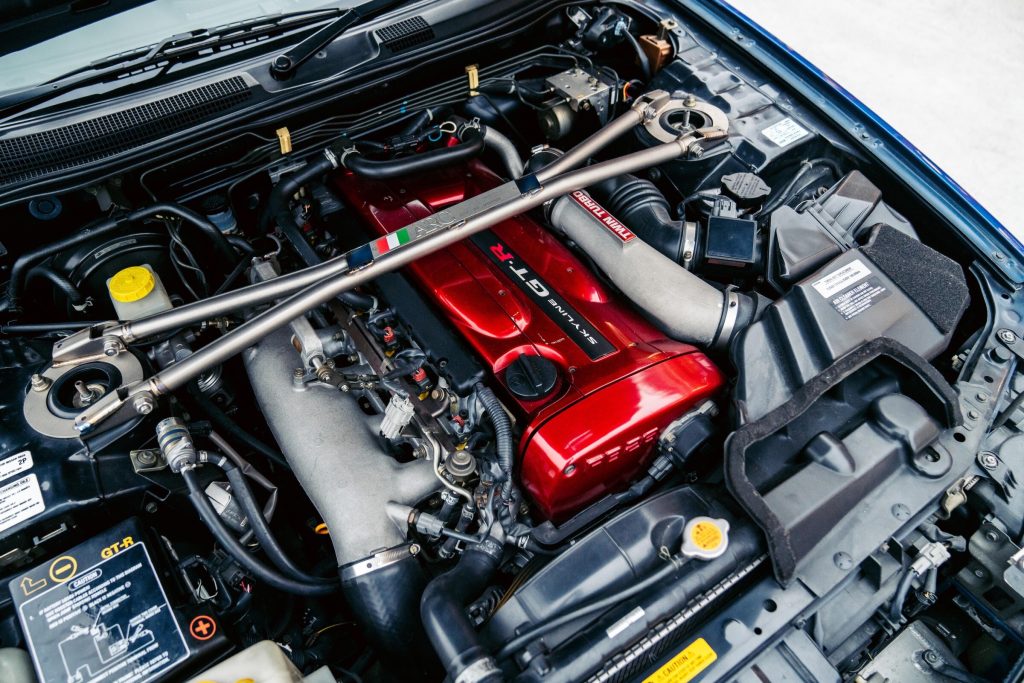
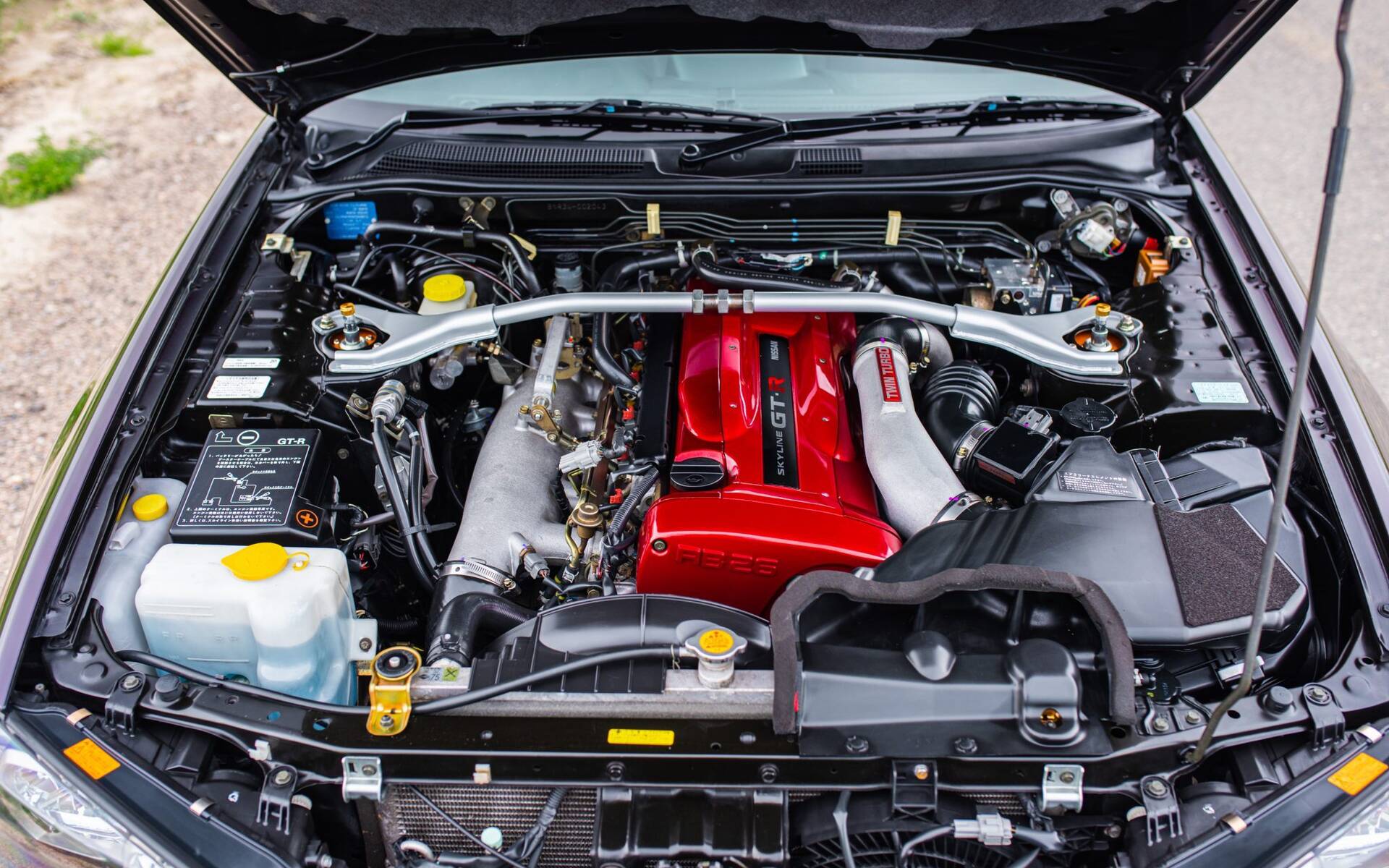
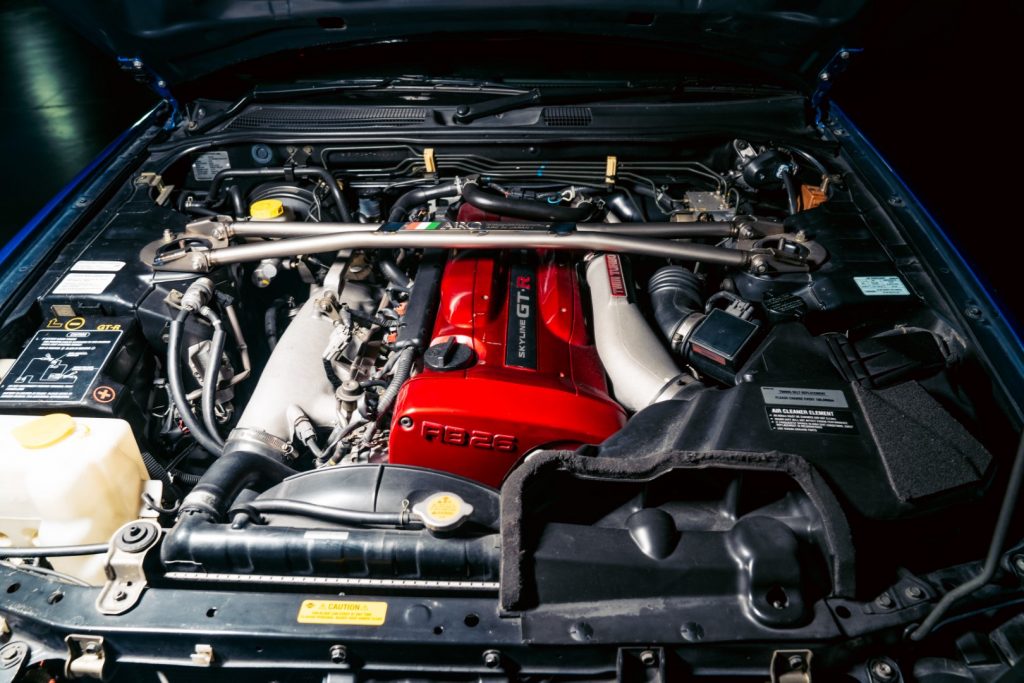
The foundation of the Skyline GT-R's legendary status rests firmly on the shoulders of the RB engine family. Introduced to revive the GT-R badge in 1989 with the R32 generation, the RB26DETT immediately captured the imagination of car enthusiasts worldwide.
RB26DETT: The 2.6-Liter Masterpiece
Displacing 2.6 liters, the inline-six RB26DETT was specifically built to dominate Group A racing. Nissan equipped this iron-block, aluminum-head engine with individual throttle bodies (ITBs) and a twin-turbocharger setup operating in a parallel configuration. Factory rated at the Japanese gentleman's agreement limit of 276 horsepower, the actual output was closer to 320 horsepower.
Key technical highlights of the RB26DETT include:
- Cast Iron Block: Provided exceptional rigidity and handled high boost pressures reliably.
- Individual Throttle Bodies: Allowed for razor-sharp throttle response.
- Twin Ceramic Turbos: Designed for quick spooling, though often upgraded by tuners to steel-wheel units for higher boost limits.
The Evolution to RB28 and Beyond
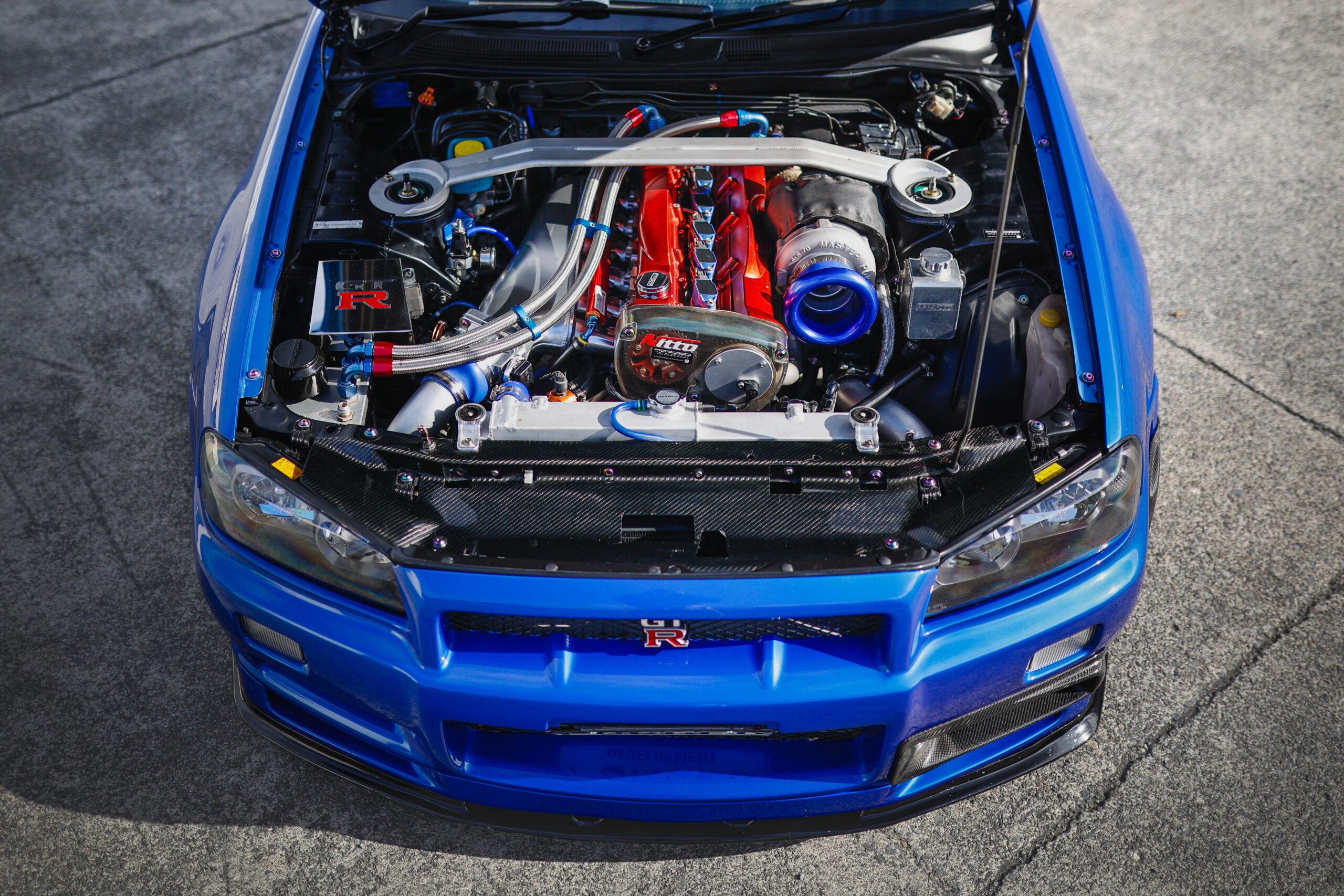
As tuning culture exploded, the RB26 became a blank canvas. Tuners routinely bored and stroked the engine to 2.8 liters or higher. Nissan itself recognized this potential later on, utilizing stroked RB blocks in ultra-exclusive factory models like the Nismo Z-Tune, where the displacement was increased to 2.8 liters to produce upwards of 500 horsepower naturally and reliably.
The Modern Era: Transitioning to the VR38DETT
When Nissan decided to decouple the GT-R nameplate from the Skyline lineage with the launch of the R35 in 2007, the inline-six layout was retired in favor of a new V6 architecture. This marked a massive shift in how the car made and delivered its power.
VR38DETT: Hand-Built V6 Power
The nissan gtr skyline motor lineage officially split here, with the GT-R becoming a standalone global supercar. The VR38DETT is a 3.8-liter, twin-turbocharged V6 engine. Unlike its mass-produced predecessors, every VR38DETT engine is hand-assembled by one of five master technicians known as Takumi in a sterile, climate-controlled cleanroom at Nissan’s Yokohama plant.
Notable specifications of the VR38DETT include:
- Plasma-Sprayed Bores: Instead of heavy iron cylinder liners, Nissan used a high-tech plasma coating sprayed directly onto the aluminum cylinder walls to reduce friction and save weight.
- Integrated Exhaust Manifolds: Built directly into the cylinder heads to optimize turbo packaging and response.
- Massive Power Scaling: Starting at 480 horsepower in 2007, factory power outputs steadily climbed to 600 horsepower in NISMO specifications, while aftermarket builds easily push past 1,000 horsepower on stock blocks.
Comparing the Legends: RB26DETT vs. VR38DETT
Both powerplants define their respective eras of Japanese automotive engineering, but they offer vastly different driving and building experiences.
Character and Sound
The RB26DETT is famous for its mechanical inline-six symphony, featuring a high-revving nature and the distinct flutter of compressor surge under heavy throttle lifts. In contrast, the VR38DETT delivers a deeper, more authoritative V6 growl, accompanied by the muted whistle of its twin turbos spooling up instantly thanks to modern electronic wastegates and variable valve timing.
Tuning Potential and Reliability
Both engines are remarkably over-engineered. The RB26 block can handle significant increases in horsepower, though factory oil pump gears were notoriously vulnerable to high-rpm failure if not upgraded. The VR38DETT, while modern and complex with its dual-clutch transaxle integration, boasts a robust closed-deck design that handles massive boost without cracking cylinders, though supporting modifications to the transmission are usually required once torque figures skyrocket.
Legacy and Cultural Impact
From the touge mountain passes of Japan to drag strips and time-attack circuits globally, the engines powering the Nissan GT-R and Skyline families have cemented their place in history. The combination of advanced turbocharging, stout internal architecture, and legendary aftermarket support ensures that these powerplants will remain celebrated for generations to come. Whether you prefer the classic mechanical grit of an RB26 or the brutal, computerized efficiency of a modern VR38, Nissan's performance motors represent the pinnacle of Japanese engineering.