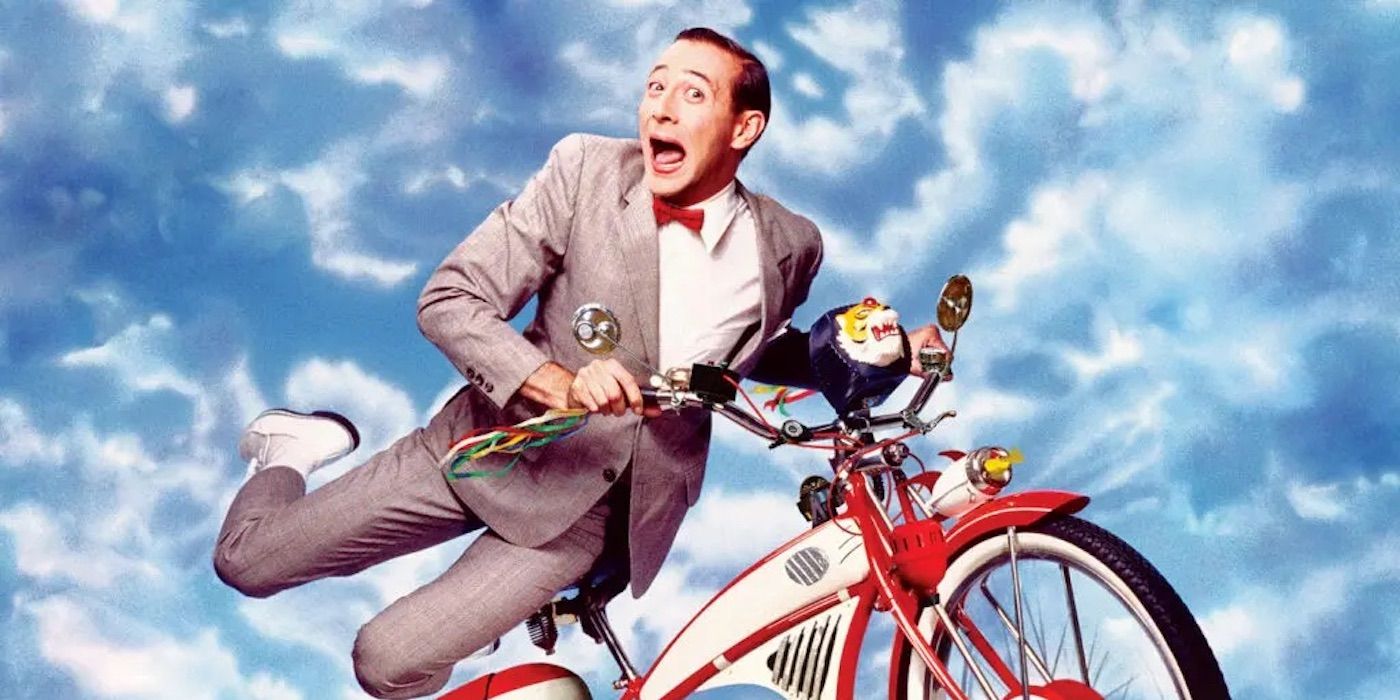
The Genius Behind the Pee-Wee Herman Film
When Pee-Wee’s Big Adventure hit theaters in 1985, audiences were introduced to a cinematic world unlike anything they had ever seen. It was bright, bizarre, nostalgic, and entirely unpredictable. While Paul Reubens brought the iconic, gray-suited man-child to life, the film's distinct visual style and surreal tone came from a freshman filmmaker. It is fascinating to explore why the Pee-Wee Herman film was directed by a creative genius you never knew—at least, not yet.

Today, that director is a household name, synonymous with gothic fairy tales and dark whimsy. However, back in 1985, he was just an unproven animator struggling to find his voice in Hollywood. This is the story of how a legendary collaboration shaped modern cinema and launched one of the most distinctive directorial careers in history.
From The Ground Up: The Birth of a Visionary
Before he was a Hollywood heavyweight, the director of Pee-Wee’s Big Adventure was a young artist named Tim Burton. Fresh out of the California Institute of the Arts, Burton found himself working as an animator at Walt Disney Productions. While he possessed an undeniable, idiosyncratic artistic style, his sketches of twisted characters and melancholy landscapes did not fit neatly into the wholesome Disney mold of the early 1980s.
Burton felt creatively stifled. He made a few short experimental films for the studio, such as the macabre short Vincent and the live-action short Frankenweenie. Though Frankenweenie alarmed some Disney executives due to its dark themes, it caught the attention of Paul Reubens.
Why Paul Reubens Chose Tim Burton
Paul Reubens had spent years developing his Pee-Wee Herman character in live-stage shows and television specials. When it came time to adapt the character for the big screen, Reubens wanted a director who understood the heightened, cartoonish reality he had created. He didn't want a standard Hollywood comedy director; he wanted someone who viewed the world through a skewed, childlike lens.
After seeing Vincent, Reubens knew he had found his match. Burton shared Pee-Wee’s fascination with 1950s kitsch, roadside attractions, and Saturday morning cartoons. Warner Bros. executives were initially hesitant to hand a multi-million-dollar feature film to a 26-year-old animator who had never directed a feature before, but Reubens stood his ground. The gamble paid off.
The Unique Aesthetic of Pee-Wee's Big Adventure

Looking back, Pee-Wee’s Big Adventure laid the structural and visual groundwork for everything Tim Burton would do later in his career. The film is a masterclass in world-building, blending suburban banality with grand, expressionistic fantasy.
- Exaggerated Sets and Miniatures: Burton utilized stop-motion techniques and forced perspective to give the film a handmade, tactile quality.
- Danny Elfman’s Iconic Score: This movie marked the very first collaboration between Burton and composer Danny Elfman, sparking a legendary decades-long partnership.
- Visual Quotations: Burton filled the frame with subtle nods to classic horror films, Italian neorealism, and 1950s Americana.
These elements turned what could have been a simple, disposable comedy into a timeless pop-art classic. The bike-shop chase scene, the basement of the Alamo, and large-scale dinosaur park sequences all bear the unmistakable fingerprints of a visionary filmmaker finding his footing.
How the Film Launched a Cinematic Revolution
The unexpected commercial and critical success of Pee-Wee’s Big Adventure changed Hollywood’s perception of quirky, auteur-driven comedies. It proved that audiences were hungry for unconventional storytelling that didn't talk down to them.
Following the film's success, Warner Bros. immediately offered Burton another project: a dark fantasy script about ghosts haunting a New England home. That film became Beetlejuice (1988), which cemented Burton's signature aesthetic in the mainstream. Without the stepping stone of the Pee-Wee Herman film, Hollywood might never have trusted Burton with Batman (1989), Edward Scissorhands (1990), or The Nightmare Before Christmas (1993).
Legacy of an Unlikely Partnership
It is easy to overlook the origins of blockbuster directors when they are already famous, but looking back at Pee-Wee’s Big Adventure reveals a crucial chapter in film history. The movie is a rare instance where two distinct creative forces—Paul Reubens and Tim Burton—collided at the exact right moment to create something greater than the sum of its parts.
The next time you watch Pee-Wee search high and low for his beloved bicycle, remember that you are not just watching a slapstick comedy. You are watching the explosive debut of a creative genius who would go on to shape the dark, whimsical corners of modern cinema forever.