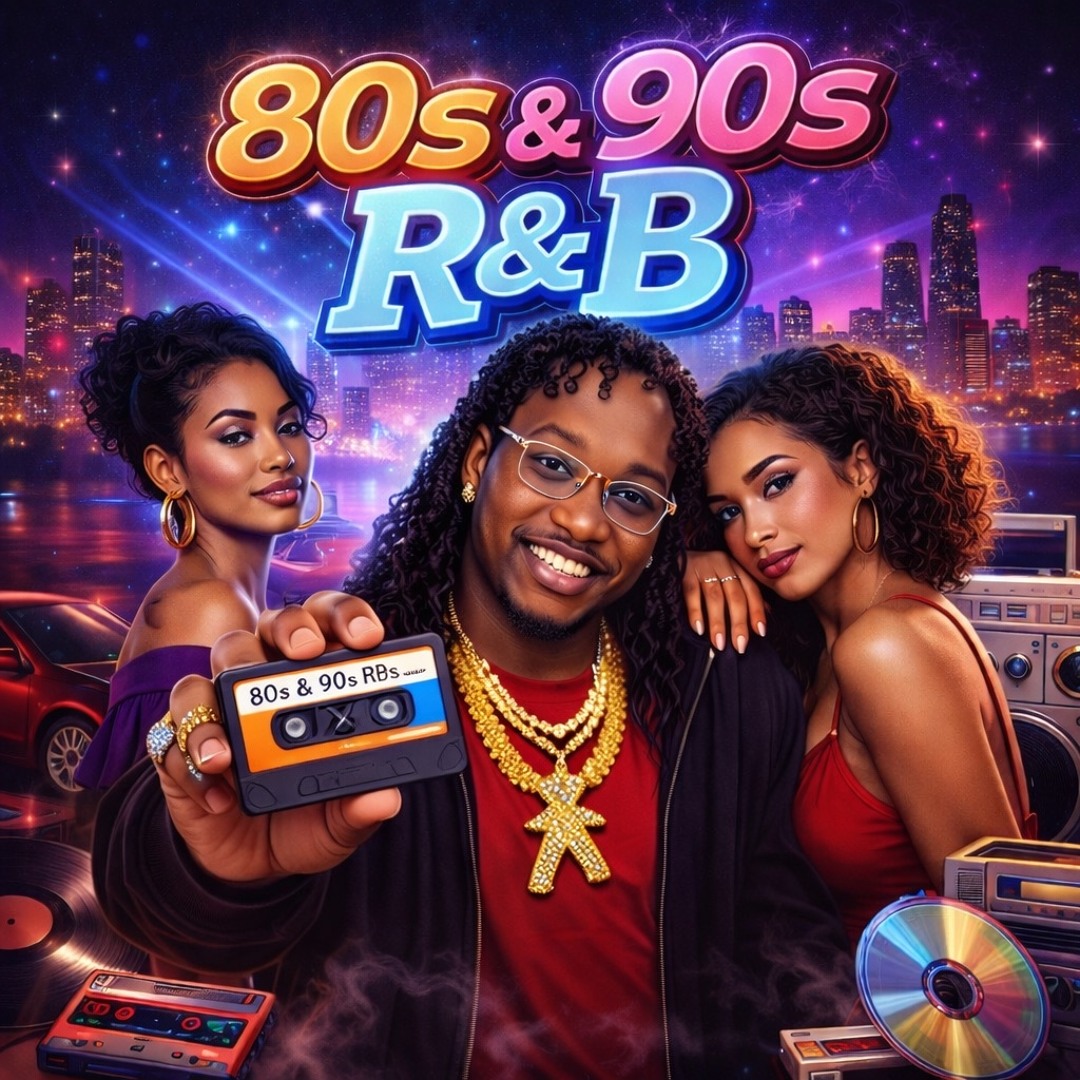
The Golden Era of 80's and 90's R&B Music
Few musical periods match the cultural impact, sonic innovation, and emotional depth found in 80's and 90's r&b music. Bridging the gap between the gritty funk and disco of the 1970s and the digital pop era of the 2000s, these two decades transformed rhythm and blues into a global powerhouse. It was an era defined by soaring vocal acrobatics, heavy synthesized basslines, lush harmonies, and deeply relatable lyricism about love, heartbreak, and resilience.

The 1980s: Synthesizers, Quiet Storm, and the Pop Crossover
The 1980s marked a major technological shift in the recording industry. Drum machines like the Roland TR-808 and polyphonic synthesizers became the building blocks of a sleeker, more polished R&B sound. This decade moved away from large live orchestration toward sleek, producer-driven tracks that dominated both urban radio and pop charts.
The Rise of the Quiet Storm
In the early part of the decade, late-night radio formats popularized a subgenre known as "Quiet Storm." Named after Smokey Robinson’s 1975 hit, this style featured mellow, romantic, and jazz-infused R&B. Artists like Luther Vandross, Anita Baker, and Sade perfected this sound. Their velvety vocals, sophisticated arrangements, and intimate delivery provided the soundtrack for late-night drives and quiet reflections.
The Birth of New Jack Swing
As the decade progressed, a younger generation demanded a faster, harder-hitting beat. Enter producer Teddy Riley, who pioneered New Jack Swing in the late 1980s. This hybrid genre fused hip-hop production techniques, sampling, and rap breaks with traditional R&B vocal styling. Key milestones of this movement included:
- Janet Jackson's Control (1986): Produced by Jimmy Jam and Terry Lewis, this album redefined rhythmic R&B with industrial funk beats and independent anthems.
- Bobby Brown's Don't Be Cruel (1988): Brown became a solo superstar, blending aggressive dance choreography with sharp New Jack Swing grooves.
- Guy's self-titled debut (1988): Featuring Teddy Riley himself, this record cemented the signature swing beat, heavy bass, and gospel-inflected vocal runs.
The 1990s: The Golden Age of Vocal Powerhouses and Hip-Hop Soul
If the 1980s laid the structural foundation, the 1990s built a multi-story mansion of creativity. The decade was characterized by hyper-talented vocal groups, multi-platinum solo acts, and a gritty intersection with hip-hop culture that changed the genre forever.
Hip-Hop Soul Takes Over
Video: 80’s and 90’s Soul and R&B Mix 💛 #explorepage #explore #music #trendingmusic #playlist #oldschool

In 1992, producer Sean "Puffy" Combs helped create a new subgenre called "Hip-Hop Soul" by pairing Mary J. Blige’s raw, emotionally scarred vocals with hard-hitting boom-bap hip-hop drum loops. Blige’s debut album, What's the 411?, gave voice to the urban American experience, bridging the gap between the streets and the R&B mainstream. Soon, artists like Jodeci, TLC, and Aaliyah adopted this aesthetic, bringing an edgy, street-smart attitude to R&B.
The Reign of Vocal Groups and Boy Bands
The 90s were undeniably the golden age of harmony groups. Groups spent years perfecting their blend, resulting in massive crossover hits:
- Boyz II Men: The ultimate vocal group of the decade, known for a cappella harmonies and massive ballads like "End of the Road" and "I'll Make Love to You."
- TLC: Combining fashion, social commentary, and attitude, they became the best-selling American girl group of all time with hits like "Waterfalls" and "Creep."
- Jodeci and Dru Hill: These groups injected a heavy dose of church-bred soul and bad-boy persona into R&B, influencing generations of male singers.
The Solo Superstars and Producers
Solo artists also reached unprecedented commercial heights. Mariah Carey dominated the charts with her staggering five-octave vocal range and hip-hop collaborations. Brandy and Monica scored a historic run with "The Boy Is Mine," while Usher emerged as a triple-threat pop icon with his 1997 sophomore album, My Way. Behind the scenes, master producers like Babyface, Timbaland, and the duo Darkchild crafted a never-ending stream of chart-topping masterpieces.
The Late 90s Shift: Neo-Soul Emerges
Towards the end of the decade, some artists sought an antidote to the glossy, highly-produced pop-R&B filling the charts. This rebellion gave birth to neo-soul—a movement that looked backward to 1970s soul, jazz, and funk instrumentation.
D'Angelo’s 1995 debut Brown Sugar and his legendary 2000 follow-up Voodoo spearheaded this organic revival. Erykah Badu, Lauryn Hill (whose album The Miseducation of Lauryn Hill swept the Grammys), and Maxwell redefined contemporary R&B by prioritizing live instrumentation, poetic lyricism, and unhurried grooves over computerized perfection.
The Enduring Legacy
The impact of 80's and 90's R&B music continues to reverberate through modern soundscapes. Today’s top artists—from Drake and The Weeknd to H.E.R. and SZA—continually sample, interpolate, and draw aesthetic inspiration from this twenty-year span. More than just a collection of nostalgic hits, the music of this era captured the emotional highs and lows of human relationships with a level of artistry and craftsmanship that remains unmatched.